B2B OEM / ACRYLIC CARABINER
Custom Acrylic Carabiners
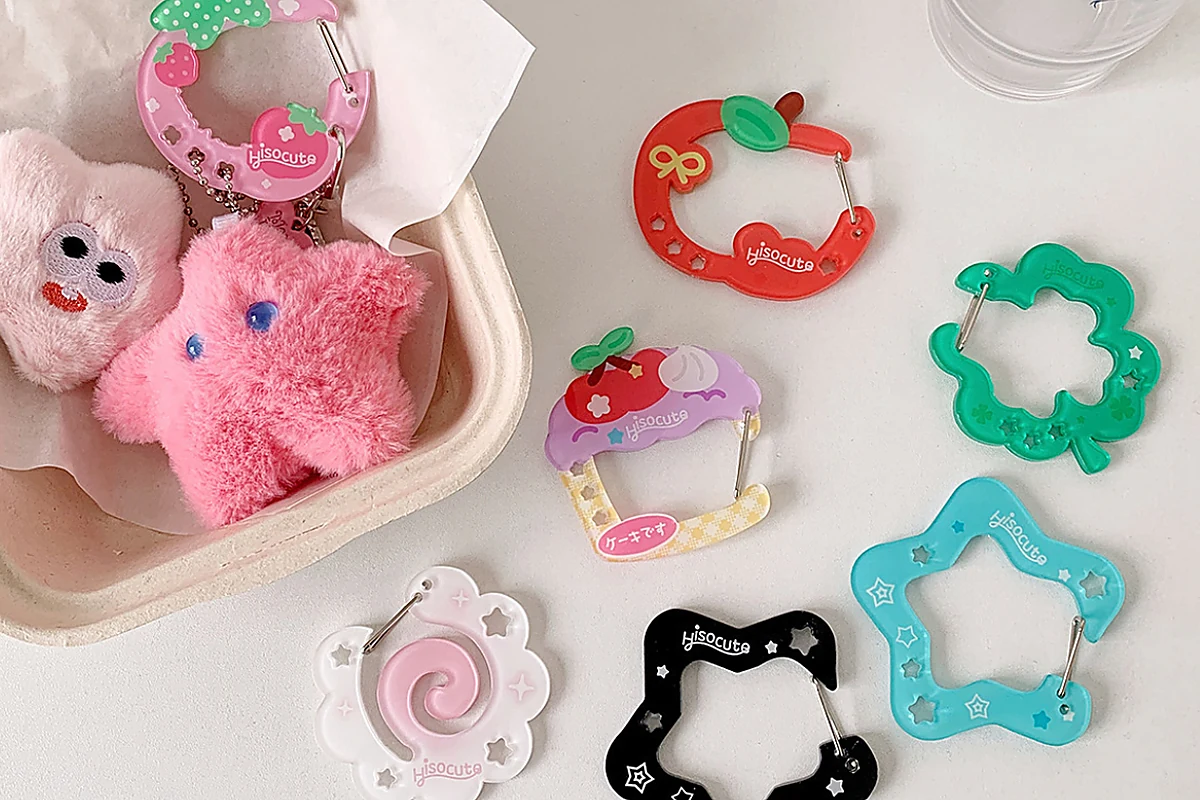
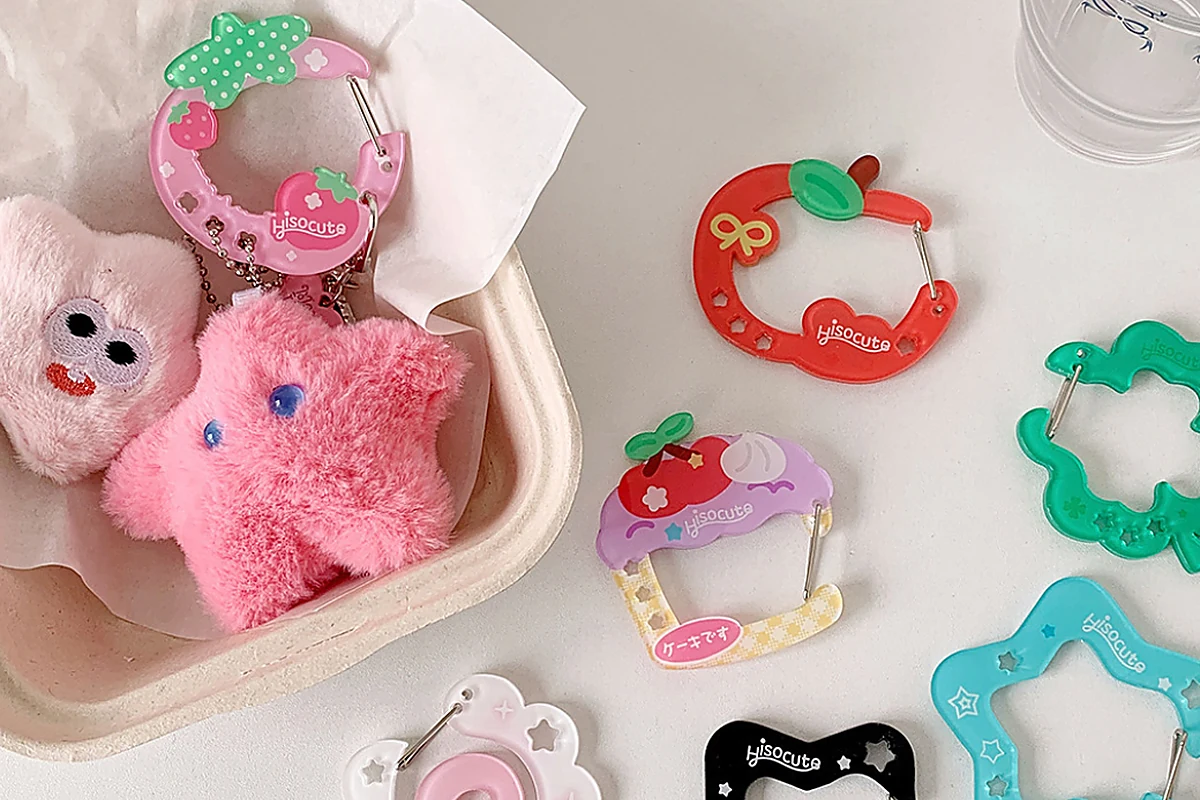
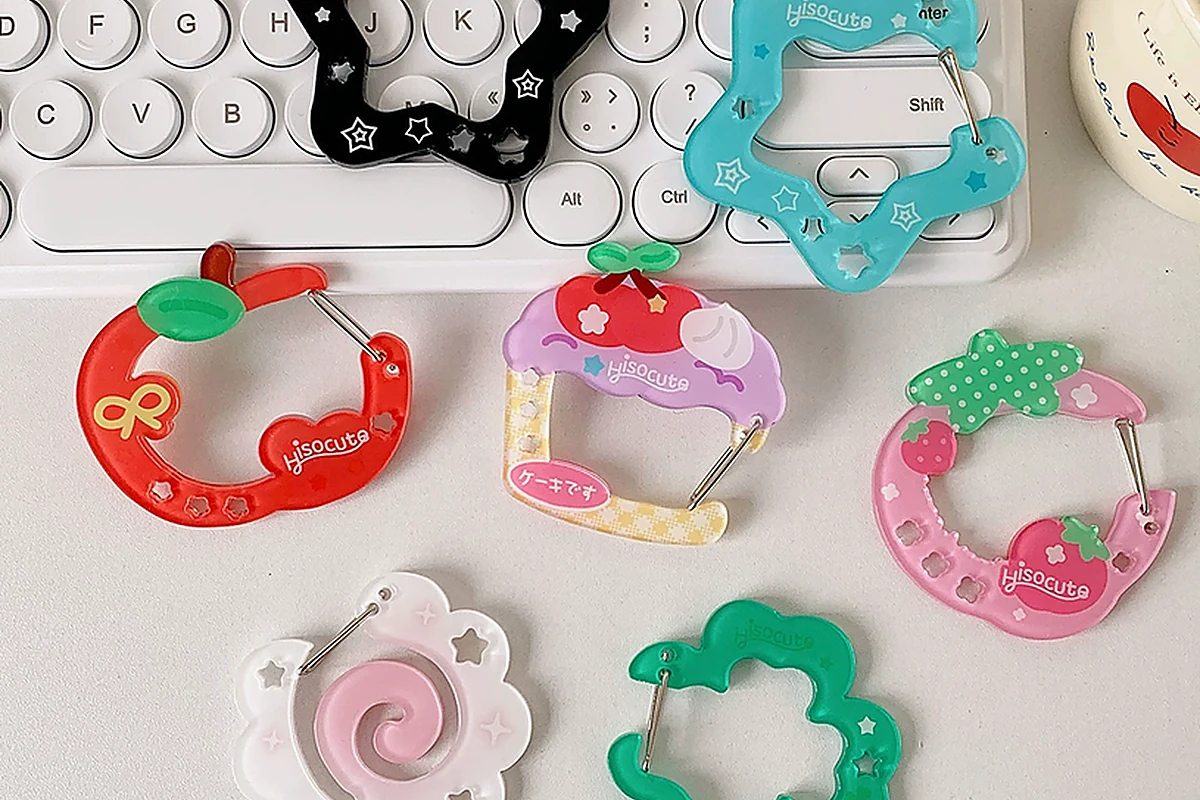
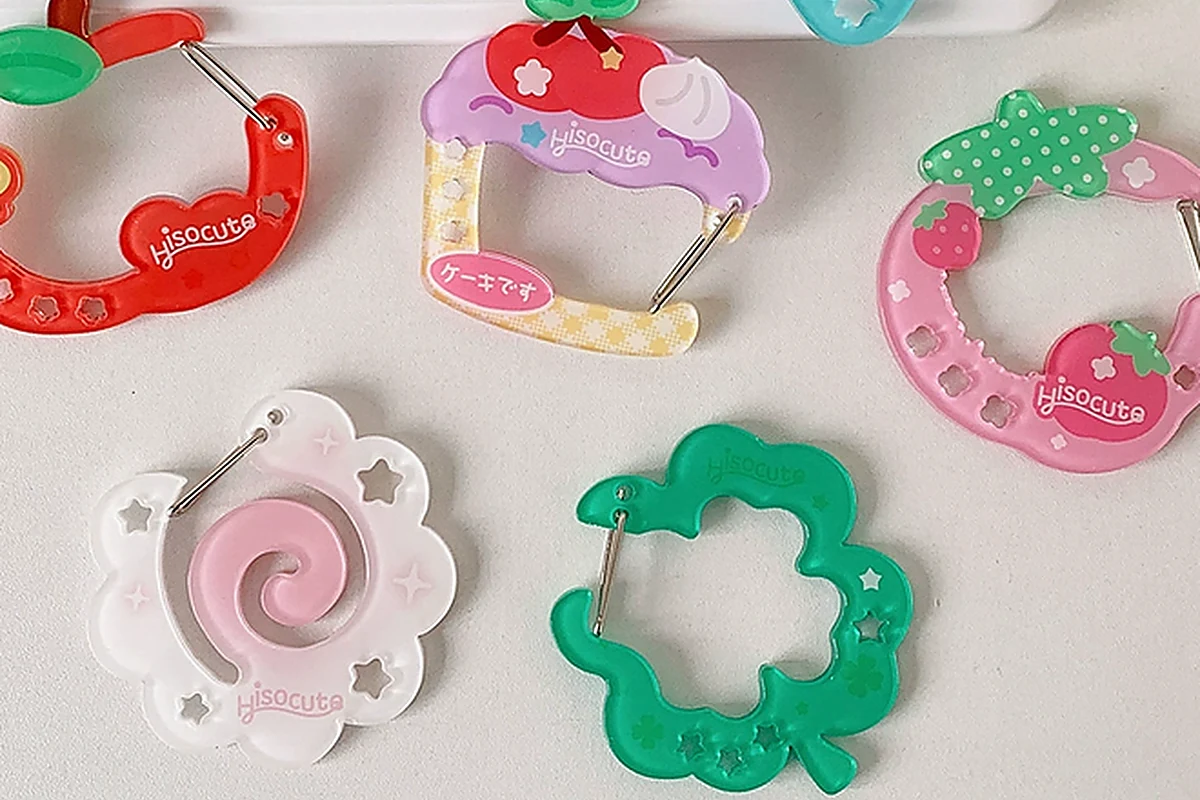
Acrylic carabiner OEM is for producing decorative character goods made from a shaped acrylic body and a metal connector. It is used for bag charms, pouch charms, event merchandise, and multi-SKU retail goods. Compared with a standard acrylic keychain, buyers need to review connector placement, hole position, opening feel, surface protection, and packaging before mass production.
What Acrylic Carabiner OEM Means for Buyers
Acrylic carabiner OEM is the mass production of decorative goods where acrylic is cut into a character or motif shape and combined with a metal wire or connector. Quotation should confirm size, thickness, printing, white plate, hole position, connector specification, protective film, individual packaging, and SKU sorting.
30-Second Decision: When Acrylic Carabiners Fit Best
Good fit
- Goods that attach directly to bags or pouches
- Projects that need more shape impact than a normal acrylic keychain
- Event merchandise, prize goods, and multi-SKU retail programs
Confirm carefully
- Connector opening feel, wire thickness, and plating color
- Protective film and transparent/color acrylic appearance
- Backing cards, JAN labels, assortments, and carton labels
Compare other specs
- Acrylic keychains for small and low-cost goods
- Acrylic clips for clipping paper or bags
- Acrylic stands for display-first products
Specification Order Before Quotation
| 1. Sales use | Bag charm, pouch charm, key accessory, event merchandise, or random-sale goods affect body size and connector setup. |
|---|---|
| 2. Acrylic body | Outer shape, inner cutout, thickness, hole position, clear/color acrylic, and surface protection. |
| 3. Metal connector | Metal wire, attachment holes, opening feel, plating color, direction, and rub or bending risk during shipping. |
| 4. Packaging and SKU | OPP bags, backing cards, JAN labels, SKU quantity, assortment ratio, carton labels, and delivery lists. |
Acrylic Carabiner vs Acrylic Keychain vs Acrylic Clip
| Acrylic carabiner | Decorative goods made with an acrylic body and connector for easy attachment to bags, pouches, keys, and retail displays. |
|---|---|
| Acrylic keychain | Standard goods with a clasp or ball chain. Good for low-cost distribution and random-sale programs. |
| Acrylic clip | Goods used to clip paper or bags. Spring strength, clip marks, and opening durability matter. |
| Mass production focus | For carabiners, connector setup and hole position matter as much as print. Review opening feel, scratch prevention, and SKU sorting. |
Related keywords: acrylic carabiner OEM, custom acrylic carabiner, acrylic charm with metal connector, bag charm OEM, pouch charm, character goods OEM, backing card packaging, SKU sorting, DDP delivery to Japan
Check Metal Connector, Hole Position, and Opening Feel During Sampling
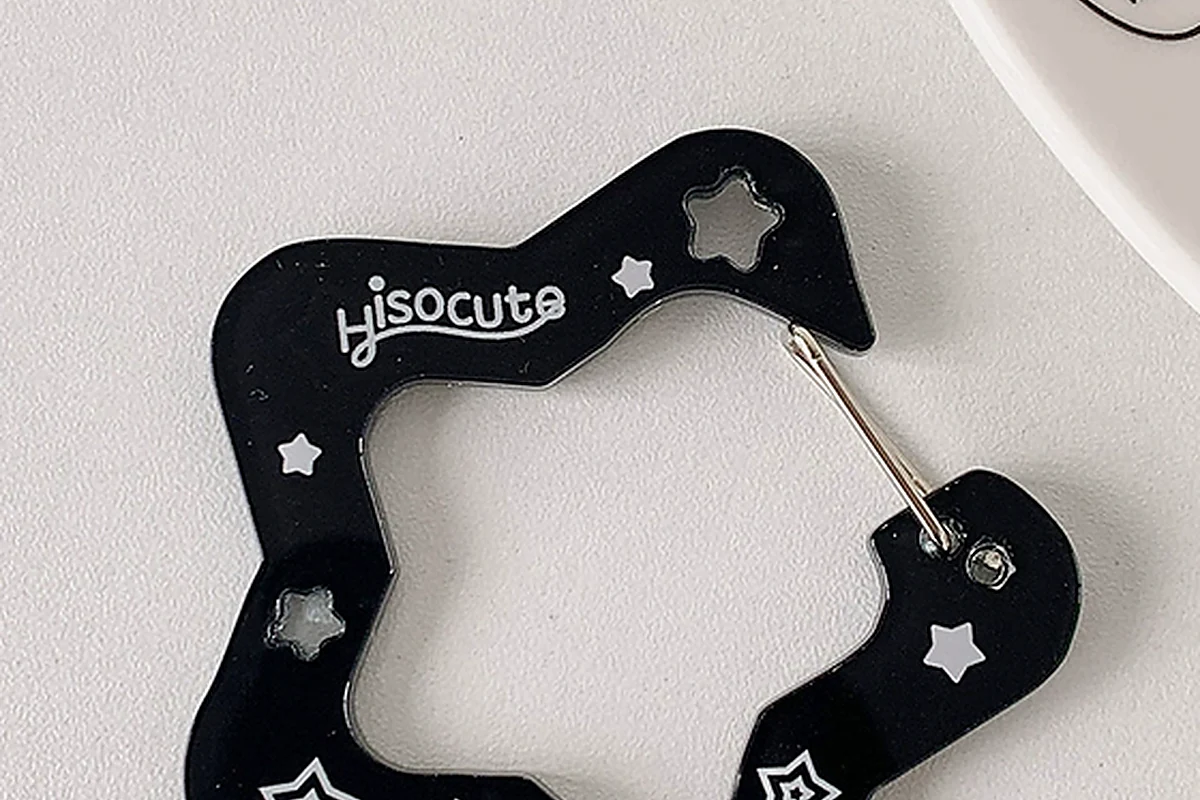
The metal wire or connector affects both usability and appearance. If the hole is too close to the edge, the acrylic body may crack. If the connector is too stiff, the item feels difficult to use. Review wire thickness, plating color, opening feel, and rub marks during sampling.
- Connector holes, edge distance, and reinforcement needs
- Metal wire thickness, color, opening force, and direction
- Scratch prevention where metal touches acrylic during shipping
- Related: acrylic goods inspection standards
Review Print Surface, Protective Film, and Transparent Areas Together
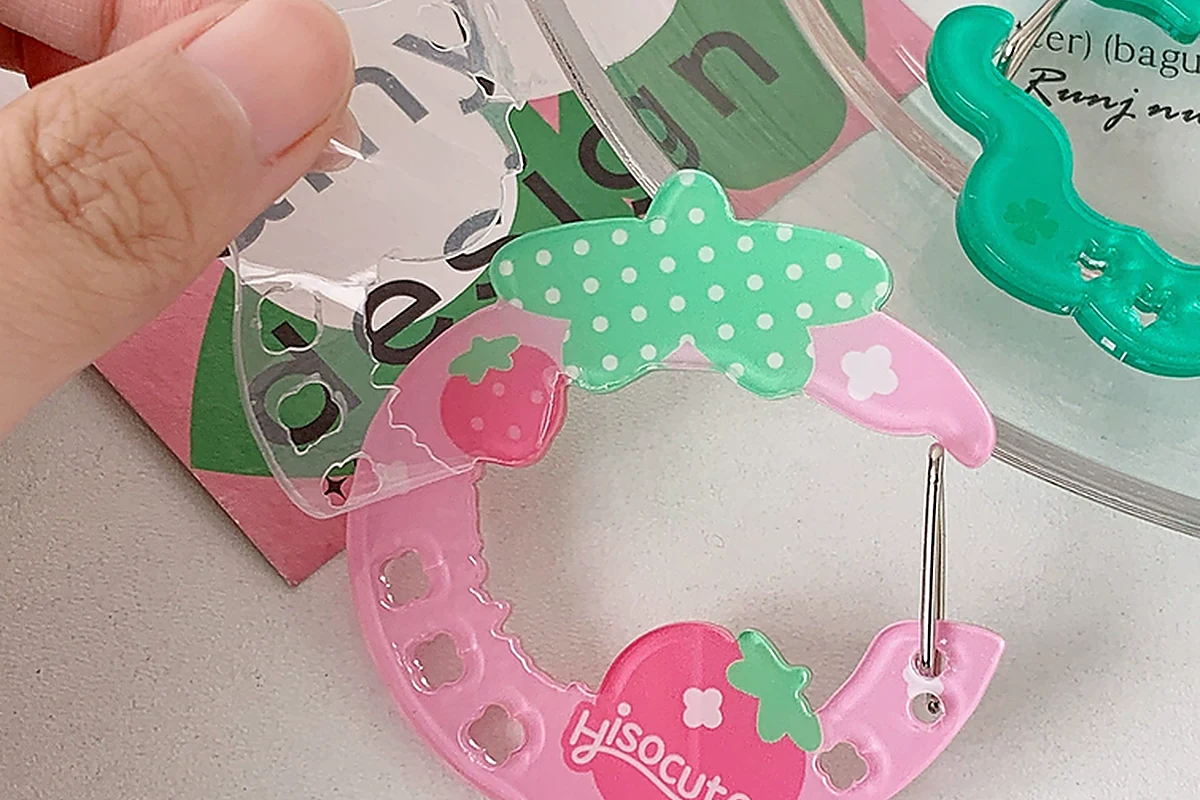
Acrylic carabiners are handled frequently, so protective film, print surface, and clear/color acrylic appearance matter. If white plate or transparent areas are unclear, artwork visibility can change. For artwork preparation, review the acrylic goods artwork data guide.
Images for Use Cases, SKU Assortment, and Sample Review
Common Production Risks and Prevention
Cracks around connector holes
Hole placement, connector pressure, and movement during shipment can create cracks or scratches. Review hole position and packaging together.
Inconsistent opening feel
Metal wire hardness and bending position can change usability. Confirm the feel during sampling and include it in inspection standards.
SKU mix-ups
When many color designs exist, backing cards, JAN labels, carton labels, and delivery lists must match the SKU plan.
Flow from Production to Delivery
Quote Checklist Before Inquiry
| Artwork | AI, PSD, PDF, SKU list, white plate, transparent areas, color notes, logo or approval requirements. |
|---|---|
| Body specs | Finished size, thickness, outer shape, inner cutout, hole position, color acrylic, and protective film. |
| Connector specs | Metal wire, direction, plating color, opening feel, spare connector needs, and inspection standard. |
| Packaging and delivery | OPP bag, backing card, JAN label, SKU sorting, carton label, destination, target delivery date, and DDP conditions. |
Frequently Asked Questions
What is an acrylic carabiner charm?
It is a decorative character goods item made with an acrylic body and a metal connector. It fits bag charms, pouch charms, event merchandise, and multi-SKU retail projects.
How is it different from a normal acrylic keychain?
The body shape and connector usage are different. Acrylic carabiners are easier to attach directly to bags or pouches and create a stronger merchandise presence.
Should the metal connector be checked before quotation?
Yes. Connector shape, wire thickness, attachment holes, opening feel, surface scratches, and plating color should be reviewed during sampling.
Can it support heavy items?
This is a decorative merchandise specification. It should not be used for supporting heavy items or securing people or equipment.
Can you support multiple SKUs or random-sale projects?
Yes. SKU quantities, backing cards, JAN labels, carton labels, assortment ratios, and delivery lists can be managed together.
What information is needed for quotation?
Please share artwork data, size, quantity, SKU count, metal connector specification, packaging, JAN or backing card requirements, delivery destination, and target delivery date.
Related Products and Pages
Acrylic Carabiner OEM Specification Review and Quote
If artwork, quantity, SKU count, connector specification, packaging, and delivery date are available, we can help review a practical specification for mass production.
Procurement controls for Custom Acrylic Carabiners
Custom Acrylic Carabiners are quoted for B2B production after the buyer confirms carabiner shape, gate strength, print position, assembly, pull checks, and bulk inspection evidence. A useful supplier comparison therefore covers the finished product, approval sample, packaging and inspection evidence, rather than unit price alone.
Search intent boundary: This page owns the specific product intent for custom acrylic carabiners. Use the acrylic hub for the complete product family and the linked guides for artwork, inspection and packaging decisions.
What to lock before approval
For custom acrylic carabiners, approve the construction as one connected specification. A change to one component can affect appearance, function, packing dimensions or inspection, even when the front artwork is unchanged. The six controls below should appear in the same quotation, sample record and inspection instruction.
| Decision | What the buyer must define | Acceptable approval evidence |
|---|---|---|
| Carabiner Shape | Define carabiner shape by SKU before quotation and do not replace it with a vague good-quality instruction. | Keep an approved dimensioned specification or controlled reference that production and QC can identify during bulk release. |
| Gate Strength | Define gate strength by SKU before quotation and do not replace it with a vague good-quality instruction. | Keep an approved artwork proof and component record that production and QC can identify during bulk release. |
| Print Position | Define print position by SKU before quotation and do not replace it with a vague good-quality instruction. | Keep an approved representative physical sample that production and QC can identify during bulk release. |
| Assembly | Define assembly by SKU before quotation and do not replace it with a vague good-quality instruction. | Keep an approved sellable pack or use-condition check that production and QC can identify during bulk release. |
| Pull Checks | Define pull checks by SKU before quotation and do not replace it with a vague good-quality instruction. | Keep an approved inspection photo and measured result that production and QC can identify during bulk release. |
| Bulk Inspection Evidence | Define bulk inspection evidence by SKU before quotation and do not replace it with a vague good-quality instruction. | Keep an approved SKU-linked bulk report and carton trace that production and QC can identify during bulk release. |
Failure risks to close
- Carabiner Shape is not controlled: suppliers can interpret the same request differently and the quotation is not comparable.
- Gate Strength is not controlled: the physical sample can pass while the wrong revision enters bulk production.
- Print Position is not controlled: packing or use conditions reveal a failure that a loose visual sample did not show.
- Assembly is not controlled: the buyer cannot separate an isolated defect from a repeated batch or SKU problem.
Quote inputs
- project name and target market for Custom Acrylic Carabiners
- editable artwork and the latest revision code
- finished dimensions and quantity for every design
- carabiner shape
- gate strength
- print position
- individual packaging, label and barcode requirements
- inspection evidence and acceptance criteria
- delivery destination and required arrival date
Sample-to-bulk control
Approve a finished sample that represents the intended artwork, construction and sellable package. Record the sample date, revision, dimensions, material or component codes, visual limits and function checks. If a later change affects artwork, material, hardware, assembly or packaging, identify the impacted SKUs and obtain a new approval instead of relying on the earlier sample.
For bulk inspection, use the same viewing conditions, measurement points and pass/fail language used during approval. The report should identify the purchase order, SKU, batch, sampled quantity and result. Photographs are useful evidence only when they show the relevant scale, lighting, label or test condition and can be traced to the inspected lot.
When comparing quotations, separate confirmed specifications from assumptions. Ask each supplier to identify exclusions, proposed substitutes, sampling scope, packaging labor and delivery basis. A lower figure is not equivalent when it omits a component, uses a different inspection level or assumes that several designs can share one uncontrolled pack. Close those differences before price approval so the purchase decision remains auditable.