Light-through Acrylic Charm OEM

Light-Transmitting Acrylic Charms

Produce acrylic charms with transparent windows, light-transmitting areas, mirror-like reflections, and controlled white ink layers for character goods projects.

For oshi-katsu goods, kuji prizes, event merchandise, and IP products, we can review sampling, mass production, multiple SKU management, individual packaging, pre-shipment inspection, and delivery conditions.
Transparent effect checkWhite ink controlMultiple SKUsIndividual packagingPre-shipment QCJapan delivery support
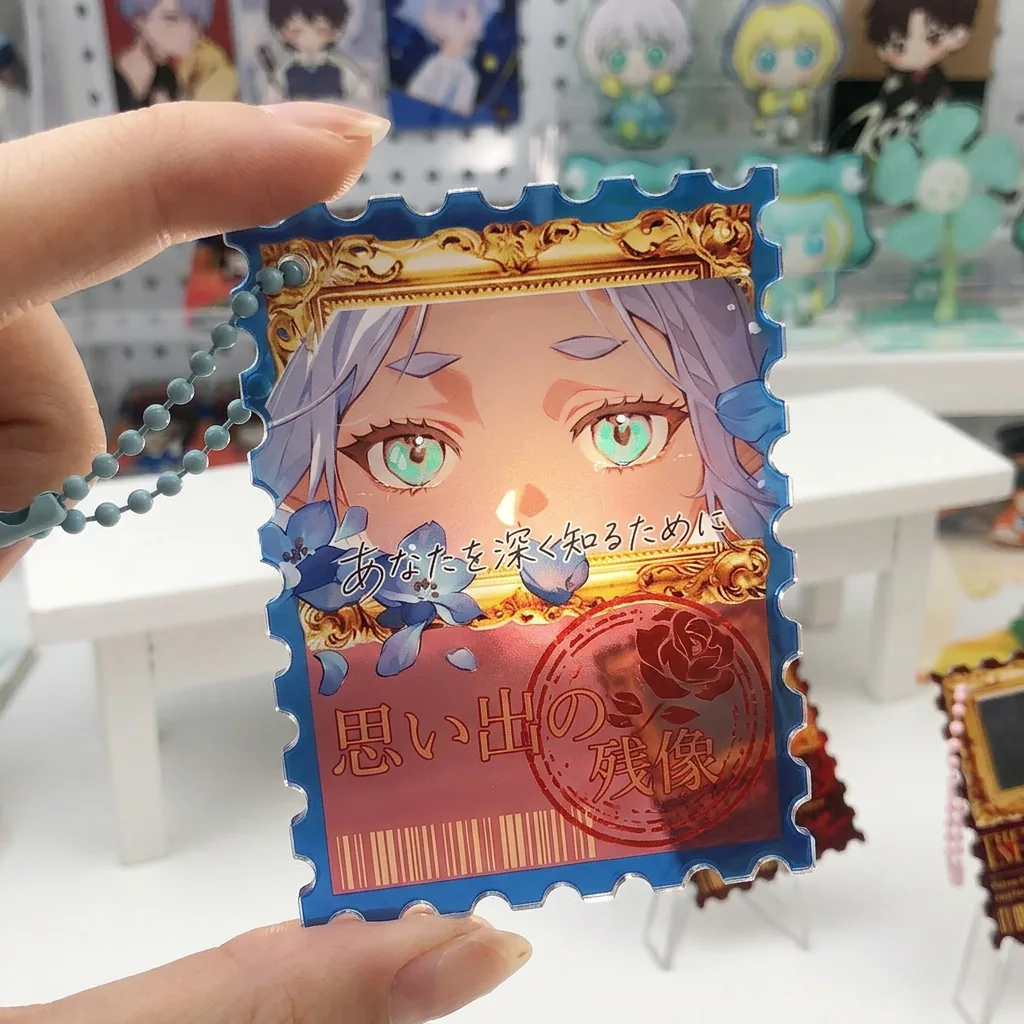
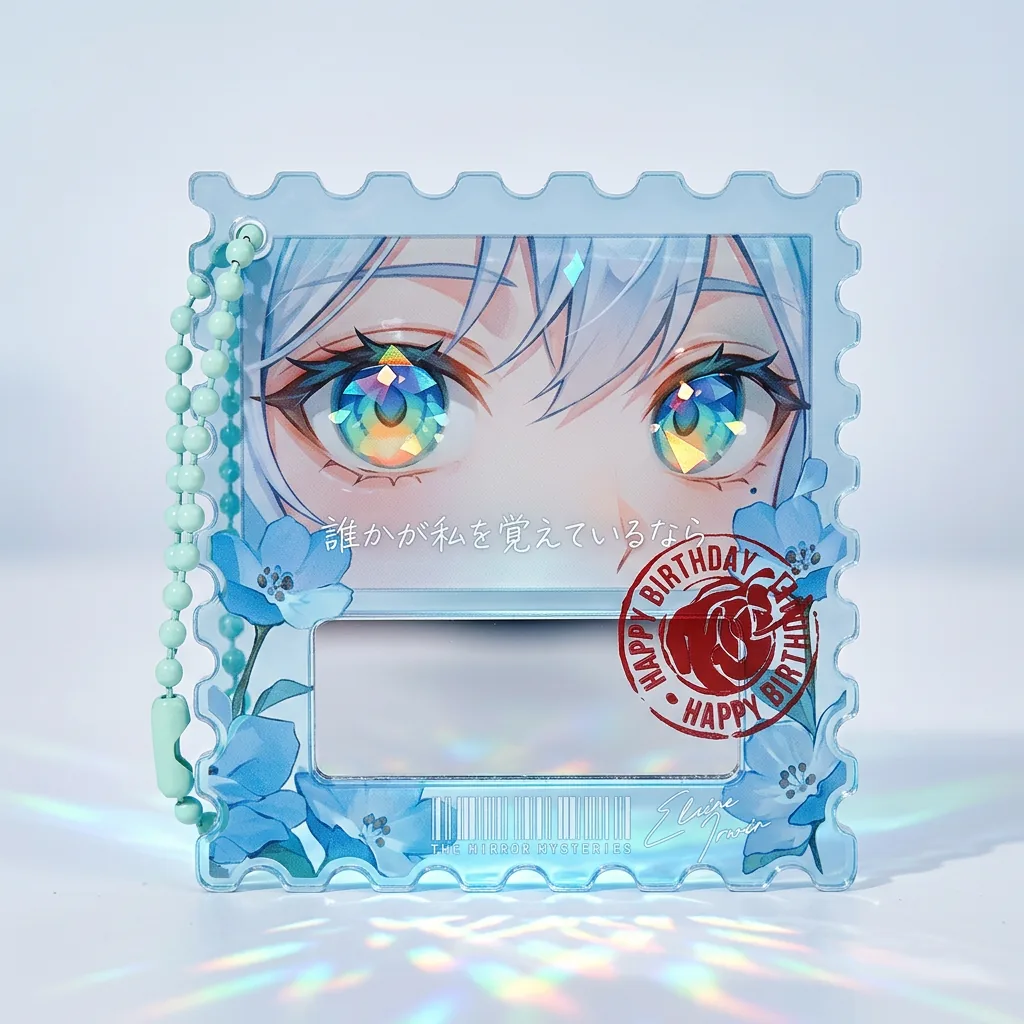
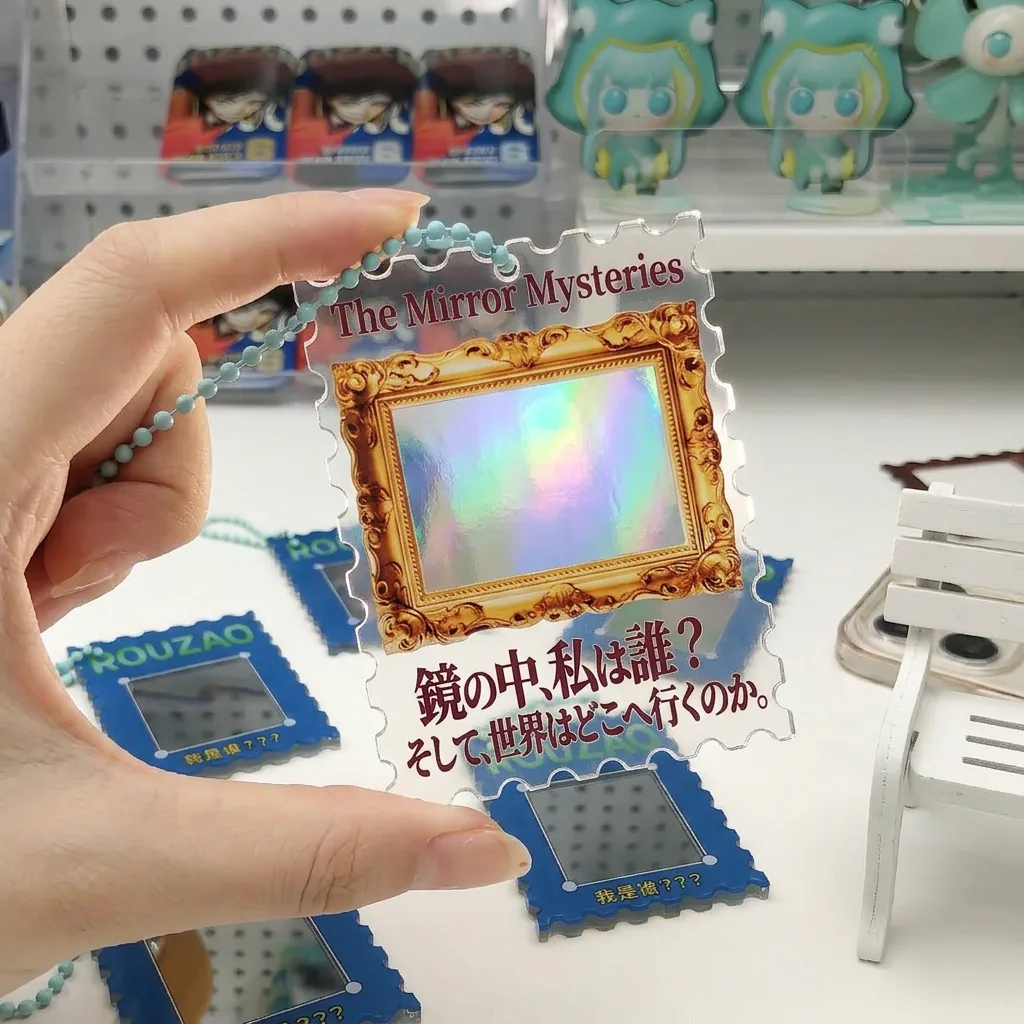
Light-through acrylic charm OEM sample with transparent window effect
Light transmission, edge clarity, and print density should be reviewed before mass production.

Answer for buyers

What Is a Light-Through Acrylic Charm?

A light-through acrylic charm uses clear acrylic and controlled print layers so the design changes when held against light. Transparent windows, no-white-ink areas, reflective effects, and translucent colors can all become part of the product design.

Compared with a standard clear acrylic keychain, this format needs closer review of white ink, color density, bleed, hole position, small text readability, packaging, and SKU management.
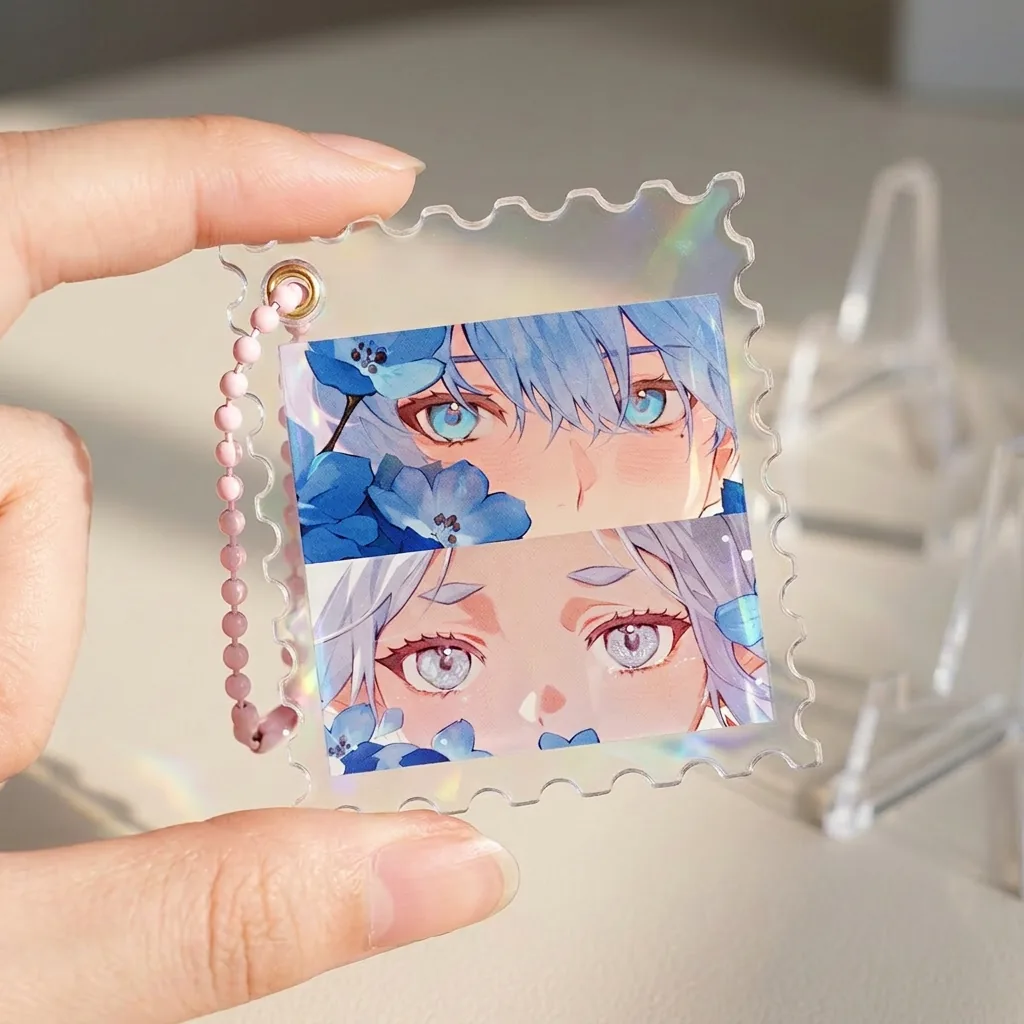
Clear acrylic charm sample showing transparent edge and printed artwork

Best-Fit Project Types

Oshi-Katsu Charms

Good for charms attached to bags, card cases, or display goods where light changes the product impression.

Kuji and Blind Prizes

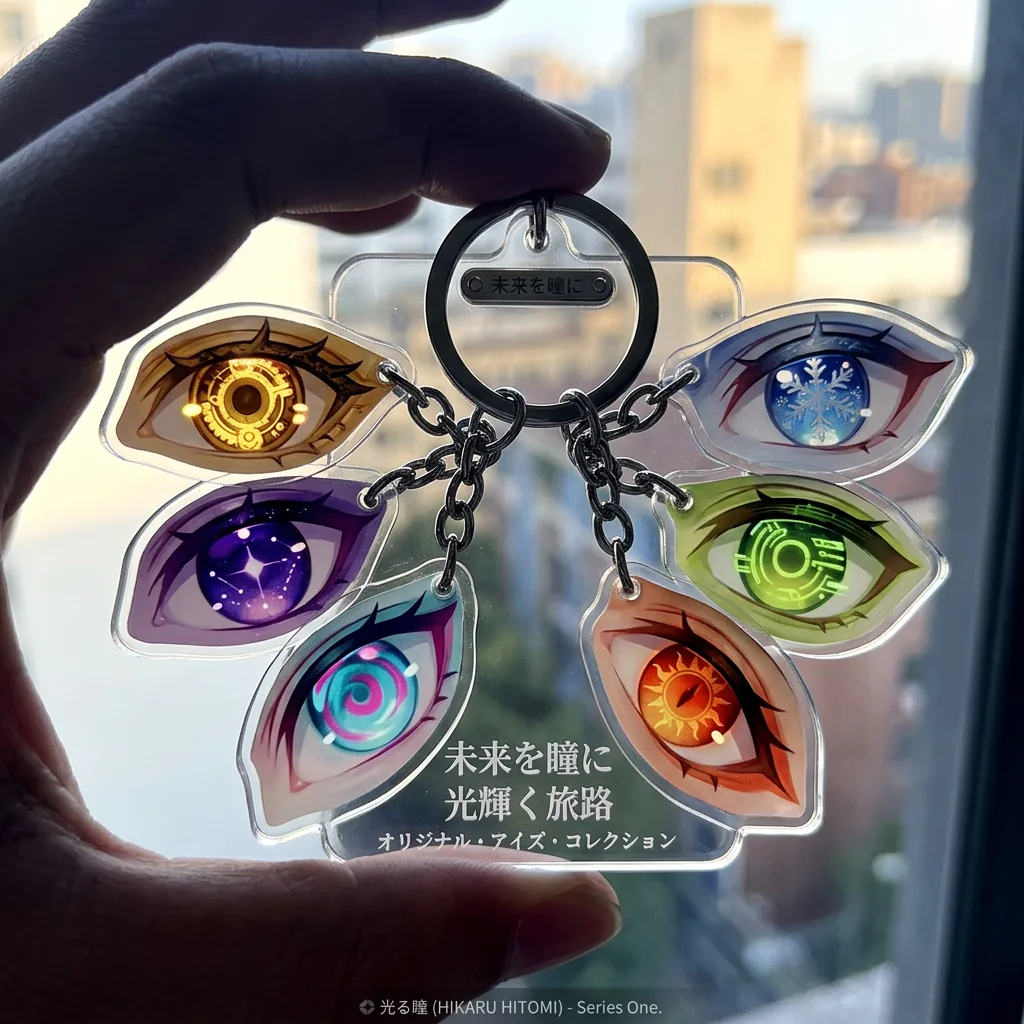
Suitable for multi-character collections, random packaging, and limited seasonal merchandise.

Event Merchandise

Works well for event-exclusive charms, booth displays, and premium-looking acrylic goods.
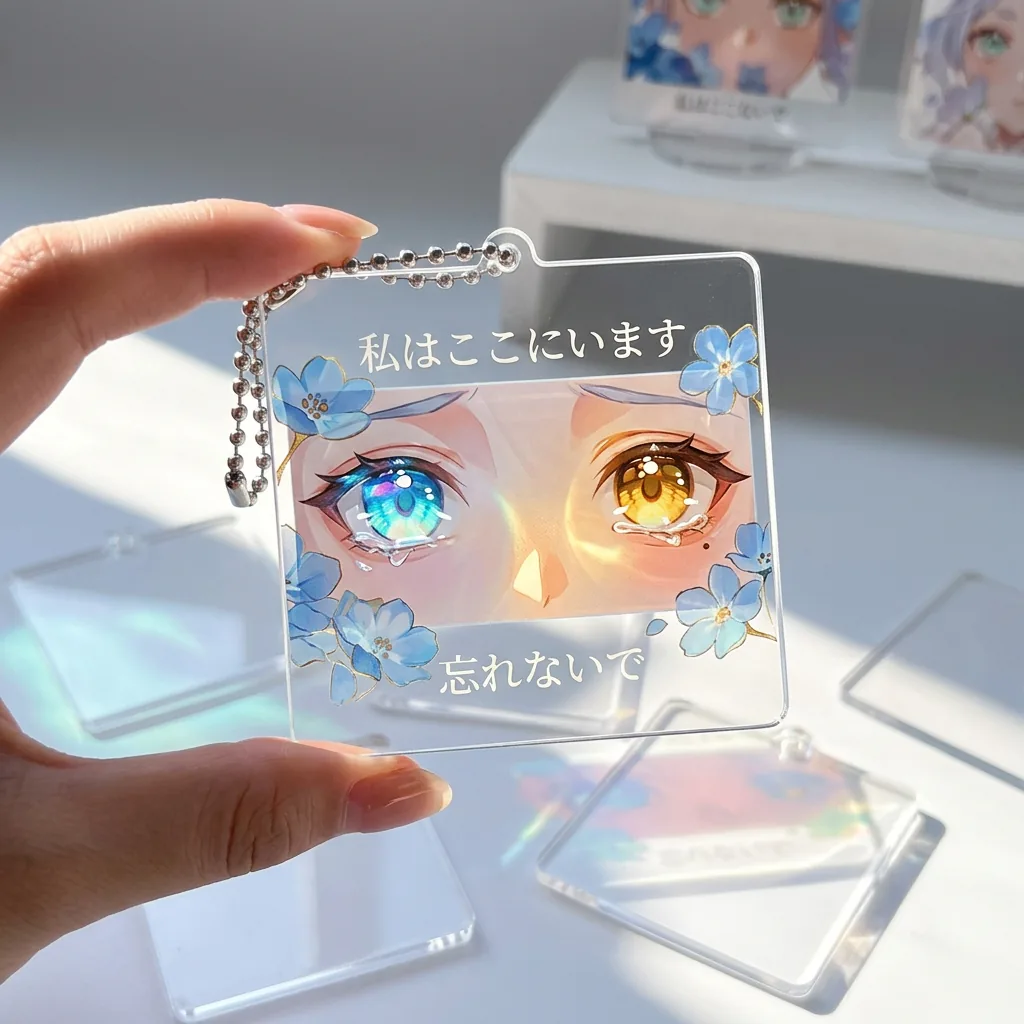
Light-through acrylic charm sample showing transparent window and reflection
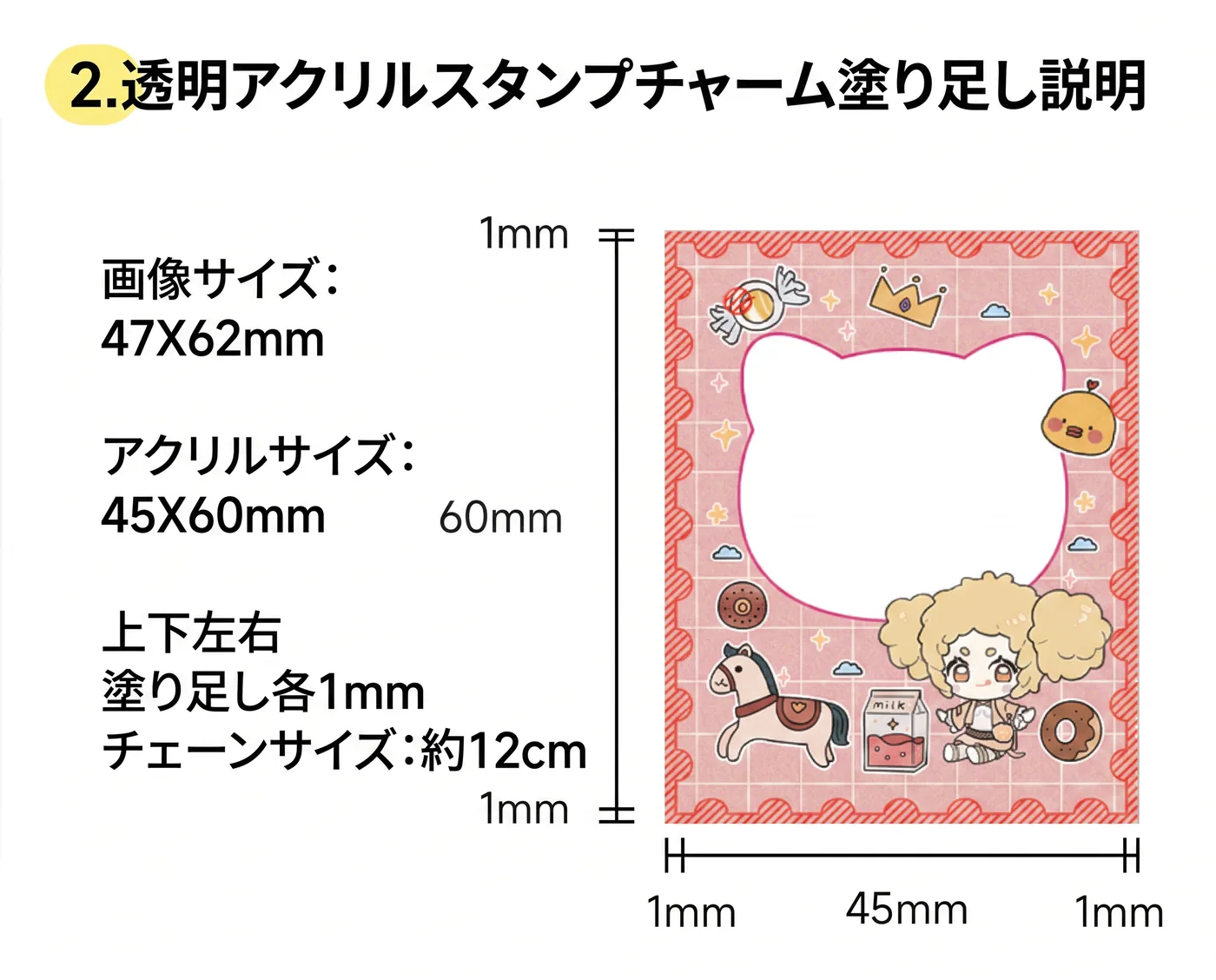
Bleed area, cut line, and print margin guide for light-through acrylic charms

What Should Be Checked Before Production?

  • Which areas should transmit light and which areas need stable color.
  • White ink layer, no-white-ink windows, and print density.
  • Cut line, bleed, hole position, and edge safety margin.
  • Fine text, thin lines, and visibility under transparent backgrounds.
  • Protective film, scratch control, and packaging method.

How Should Size, Thickness, and Bleed Be Specified?

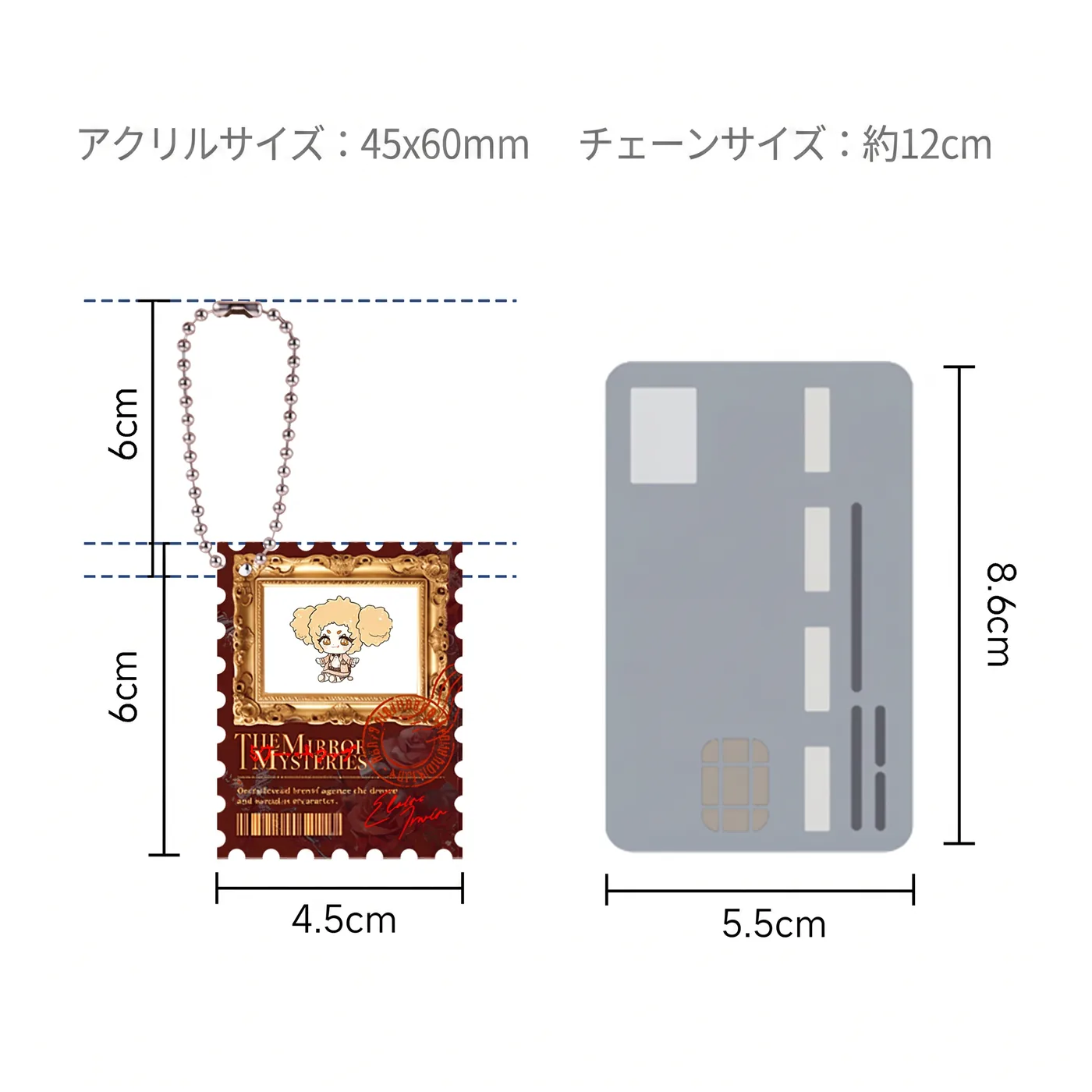
Please provide final size, acrylic thickness, hole size, metal fitting type, bleed area, cut line, and white ink layer data. For light-through designs, we also recommend indicating which parts should remain transparent.

Common sizeSmall charms, bag charms, card-style charms, and event merchandise sizes can be reviewed by project.
ThicknessUsually selected by size, strength, and intended use.
ArtworkAI, PSD, PNG, PDF, white ink data, cut line data, and transparent-area instructions are helpful.
Size and chain specification guide for light-through acrylic charm OEM

Multiple SKU and Packaging Support

For blind sales or collection goods, confirm SKU count, quantity per SKU, random packaging rules, backing card design, JAN labels, carton labels, and delivery lots before production.
Production Workflow

01Artwork and specification check
02Quotation
03Sample review
04Mass production and QC
05Packing and delivery

Materials Needed Before Quotation

Artwork Data

AI, PSD, PNG, PDF, cut line, and white ink layer if available.

Size and Quantity

Target size, thickness, total quantity, and quantity by SKU.

Packaging

OPP, backing card, blind bag, JAN label, or carton label needs.

Delivery

Destination, target date, and delivery term requirements.

FAQ

Can light-through acrylic charms be discussed for small lots?

Small lots can be discussed depending on quantity, specification, and schedule. We confirm size, thickness, print method, SKU count, and packaging before quotation.

Can the transparent and light-through effect be checked in advance?

Yes. The transparency, print density, white ink layer, and window areas can be reviewed during sample confirmation before mass production.

Should I choose white ink or no white ink?

Use white ink where stable color is needed. Use no white ink or adjusted density where you want light transmission, transparent windows, or layered visual effects.

Can fine lines and small text be reproduced on transparent designs?

It depends on line width, text size, background density, and transparent area. We recommend checking artwork data before sampling.

Can you handle multiple SKUs, individual packaging, or blind packaging?

Depending on project conditions, SKU quantities, backing cards, JAN labels, bagging, carton labels, and random packaging can be reviewed.

Can pre-shipment inspection and delivery to Japan be arranged?

Pre-shipment QC, photo reporting, Japan delivery, and DDP delivery can be discussed after confirming destination, schedule, and packing conditions.

Related Acrylic Goods OEM Pages

Discuss Light-Through Acrylic Charm Specifications

Send reference images, artwork data, quantity, SKU count, packaging requirements, and target delivery date.

Request a Free Quote

Procurement controls for Light-Transmitting Acrylic Charms

Light-Transmitting Acrylic Charms are quoted for B2B production after the buyer confirms light-transmitting areas, white ink, edge finish, sample lighting, packaging, and bulk inspection evidence. A useful supplier comparison therefore covers the finished product, approval sample, packaging and inspection evidence, rather than unit price alone.

Search intent boundary: This page owns the specific product intent for light-transmitting acrylic charms. Use the acrylic hub for the complete product family and the linked guides for artwork, inspection and packaging decisions.

What to lock before approval

For light-transmitting acrylic charms, approve the construction as one connected specification. A change to one component can affect appearance, function, packing dimensions or inspection, even when the front artwork is unchanged. The six controls below should appear in the same quotation, sample record and inspection instruction.

DecisionWhat the buyer must defineAcceptable approval evidence
Light-Transmitting AreasDefine light-transmitting areas by SKU before quotation and do not replace it with a vague good-quality instruction.Keep an approved dimensioned specification or controlled reference that production and QC can identify during bulk release.
White InkDefine white ink by SKU before quotation and do not replace it with a vague good-quality instruction.Keep an approved artwork proof and component record that production and QC can identify during bulk release.
Edge FinishDefine edge finish by SKU before quotation and do not replace it with a vague good-quality instruction.Keep an approved representative physical sample that production and QC can identify during bulk release.
Sample LightingDefine sample lighting by SKU before quotation and do not replace it with a vague good-quality instruction.Keep an approved sellable pack or use-condition check that production and QC can identify during bulk release.
PackagingDefine packaging by SKU before quotation and do not replace it with a vague good-quality instruction.Keep an approved inspection photo and measured result that production and QC can identify during bulk release.
Bulk Inspection EvidenceDefine bulk inspection evidence by SKU before quotation and do not replace it with a vague good-quality instruction.Keep an approved SKU-linked bulk report and carton trace that production and QC can identify during bulk release.

Failure risks to close

  • Light-Transmitting Areas is not controlled: suppliers can interpret the same request differently and the quotation is not comparable.
  • White Ink is not controlled: the physical sample can pass while the wrong revision enters bulk production.
  • Edge Finish is not controlled: packing or use conditions reveal a failure that a loose visual sample did not show.
  • Sample Lighting is not controlled: the buyer cannot separate an isolated defect from a repeated batch or SKU problem.

Quote inputs

  • project name and target market for Light-Transmitting Acrylic Charms
  • editable artwork and the latest revision code
  • finished dimensions and quantity for every design
  • light-transmitting areas
  • white ink
  • edge finish
  • individual packaging, label and barcode requirements
  • inspection evidence and acceptance criteria
  • delivery destination and required arrival date

Sample-to-bulk control

Approve a finished sample that represents the intended artwork, construction and sellable package. Record the sample date, revision, dimensions, material or component codes, visual limits and function checks. If a later change affects artwork, material, hardware, assembly or packaging, identify the impacted SKUs and obtain a new approval instead of relying on the earlier sample.

For bulk inspection, use the same viewing conditions, measurement points and pass/fail language used during approval. The report should identify the purchase order, SKU, batch, sampled quantity and result. Photographs are useful evidence only when they show the relevant scale, lighting, label or test condition and can be traced to the inspected lot.

When comparing quotations, separate confirmed specifications from assumptions. Ask each supplier to identify exclusions, proposed substitutes, sampling scope, packaging labor and delivery basis. A lower figure is not equivalent when it omits a component, uses a different inspection level or assumes that several designs can share one uncontrolled pack. Close those differences before price approval so the purchase decision remains auditable.