Pre-Production Approval Guide
Custom Plush Pre-Production Checklist
Custom plush pre-production checklist for approving the master sample, specifications, BOM, tolerances, packaging, barcodes, carton data and first production units.
Before custom plush production starts, freeze not only the approved sample but also measurement points, expression, colors, fabric, embroidery, accessories, packaging, labels, carton quantity and delivery references under one version.
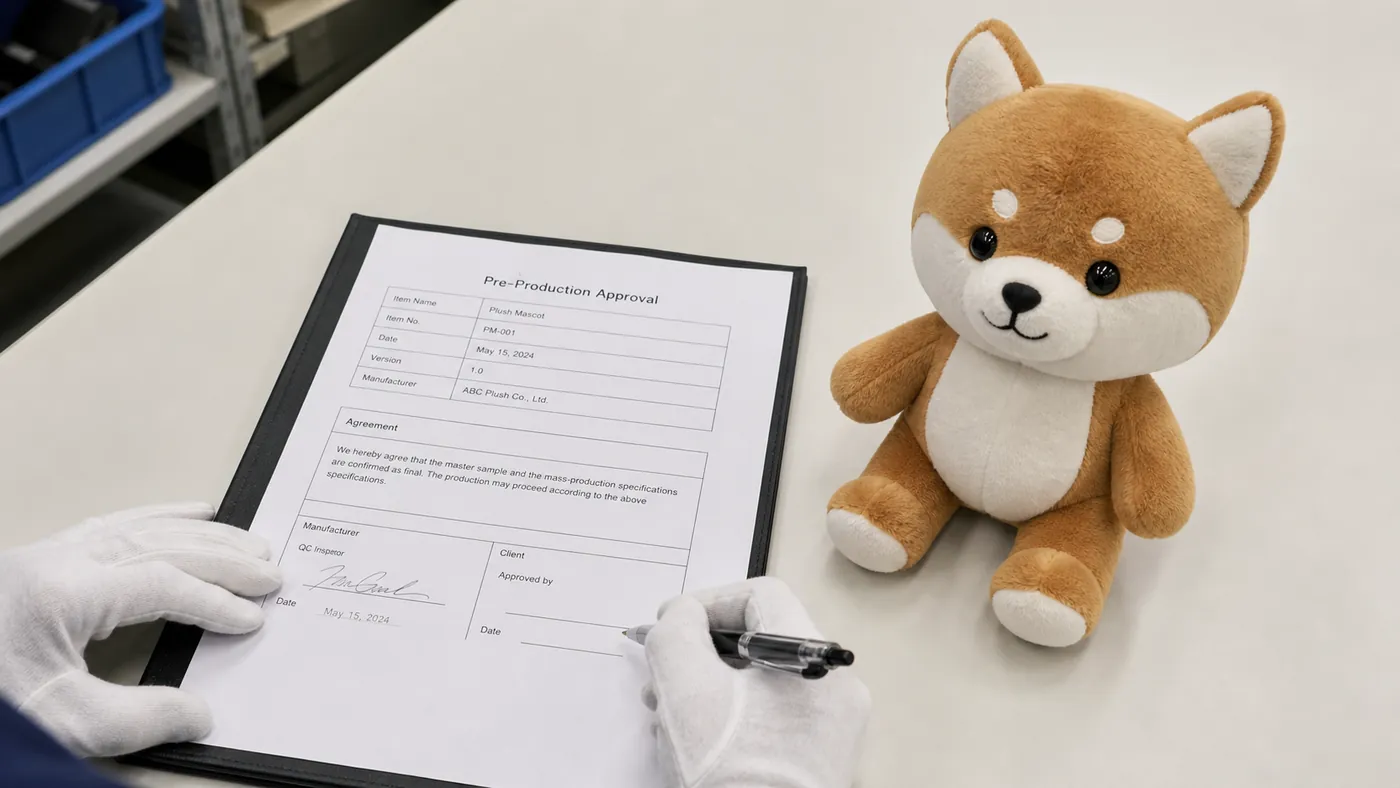
Six approval groups to freeze before production
Compare the approved product, production specification, packaging and delivery instructions against physical references under one revision.
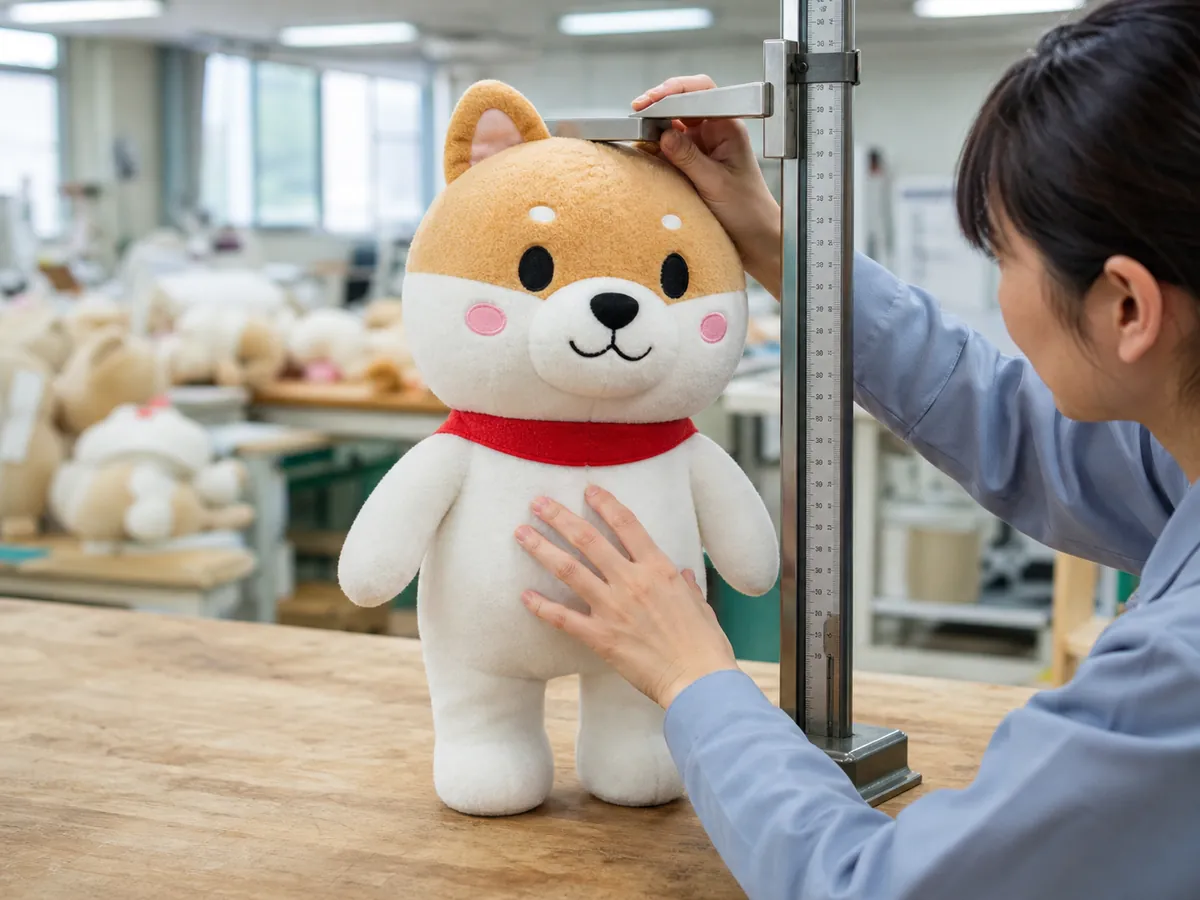
Measure total height, width, depth and seated height from consistent reference points, then check filling level and standing or seated posture.
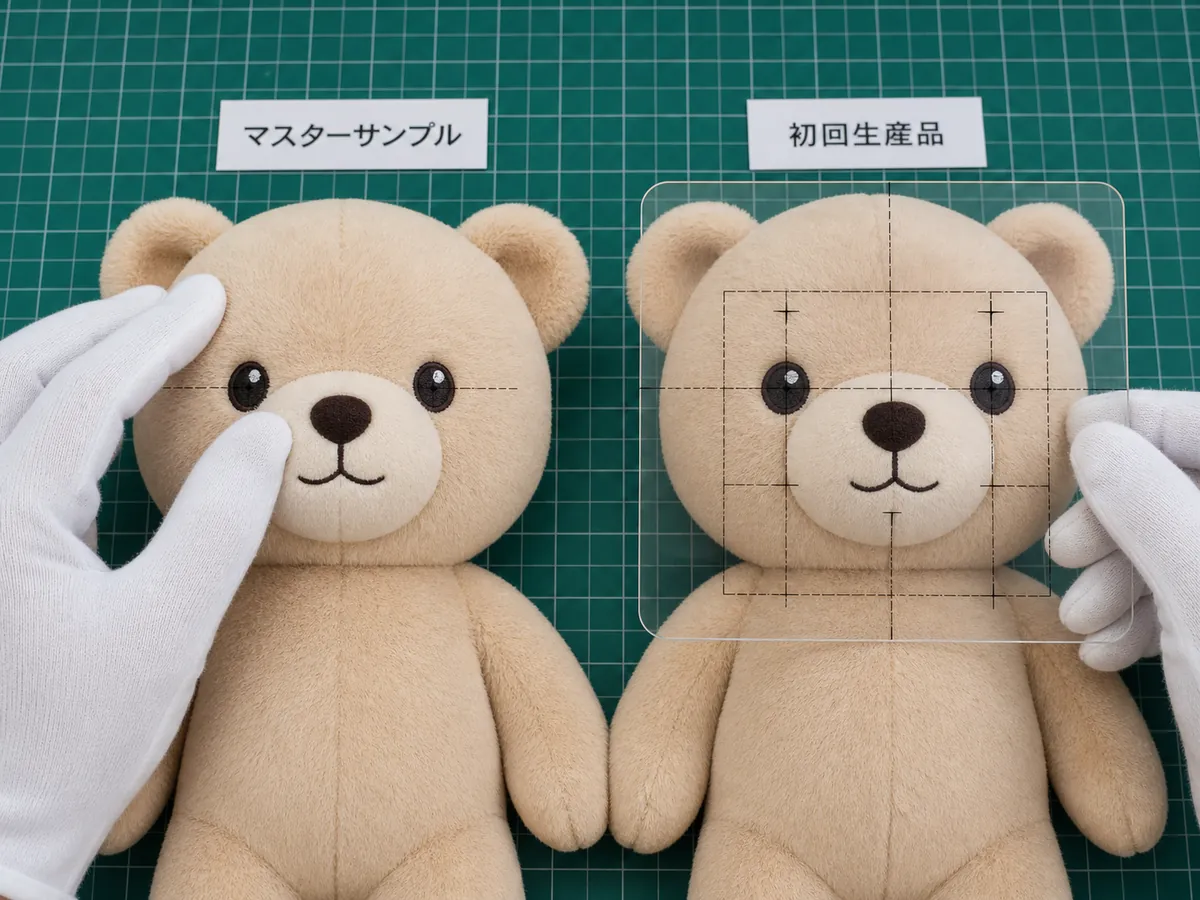
Compare the master sample and placement reference for eyes, nose, mouth, embroidery position and line width.
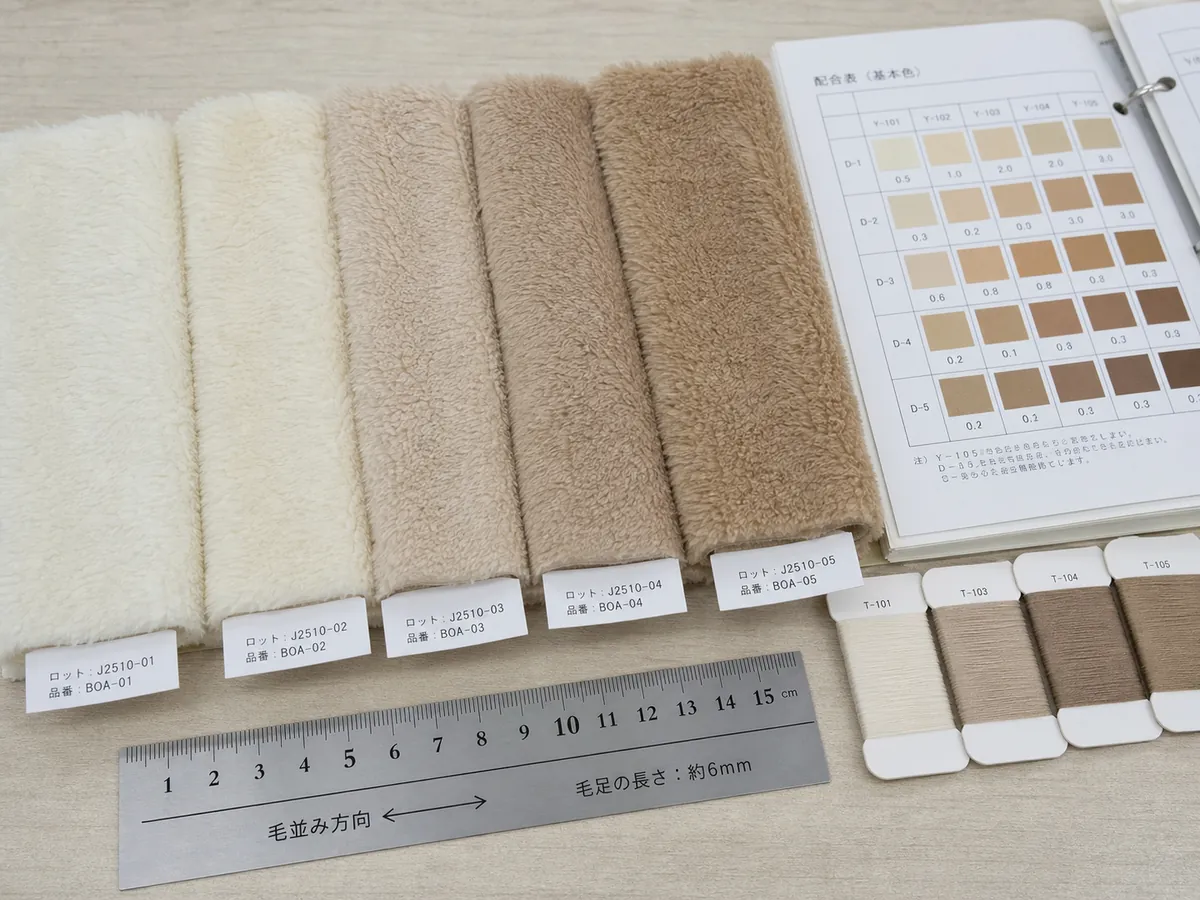
Freeze the production plush fabric code, color, pile direction and embroidery thread against approved swatches.
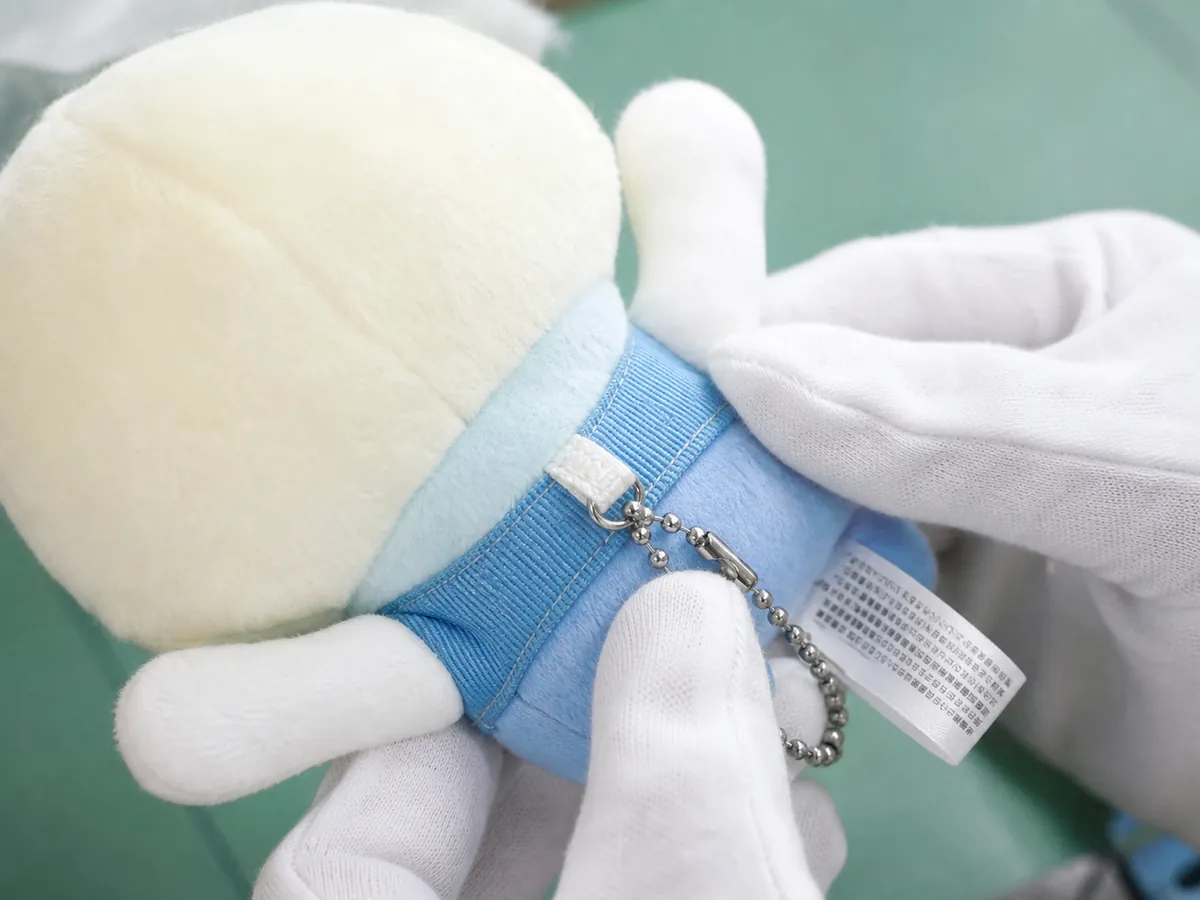
Check ball-chain attachment tape, garment seams, reinforcement and sewn-label positions against the specification.
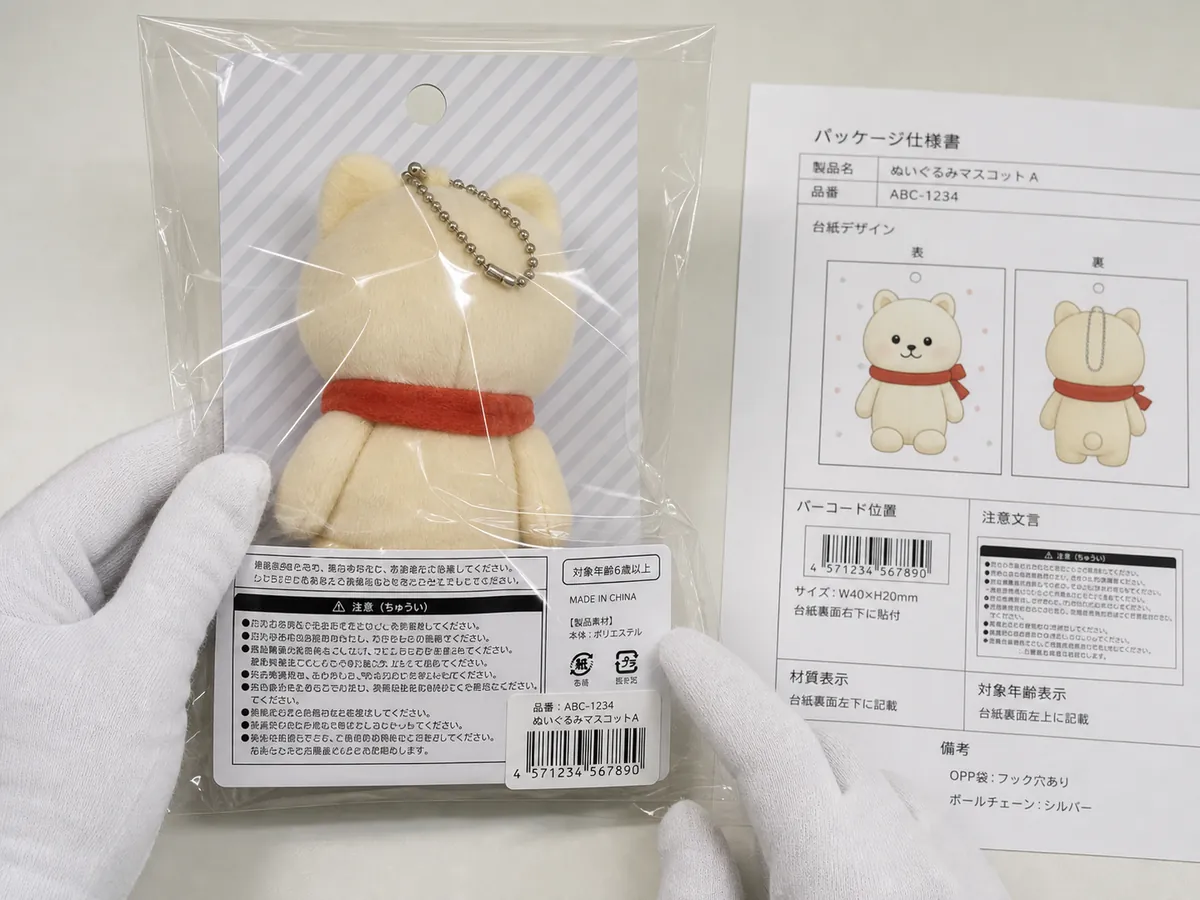
Verify the OPP bag, backing card, JAN or barcode, warning labels, inserts and packing orientation.
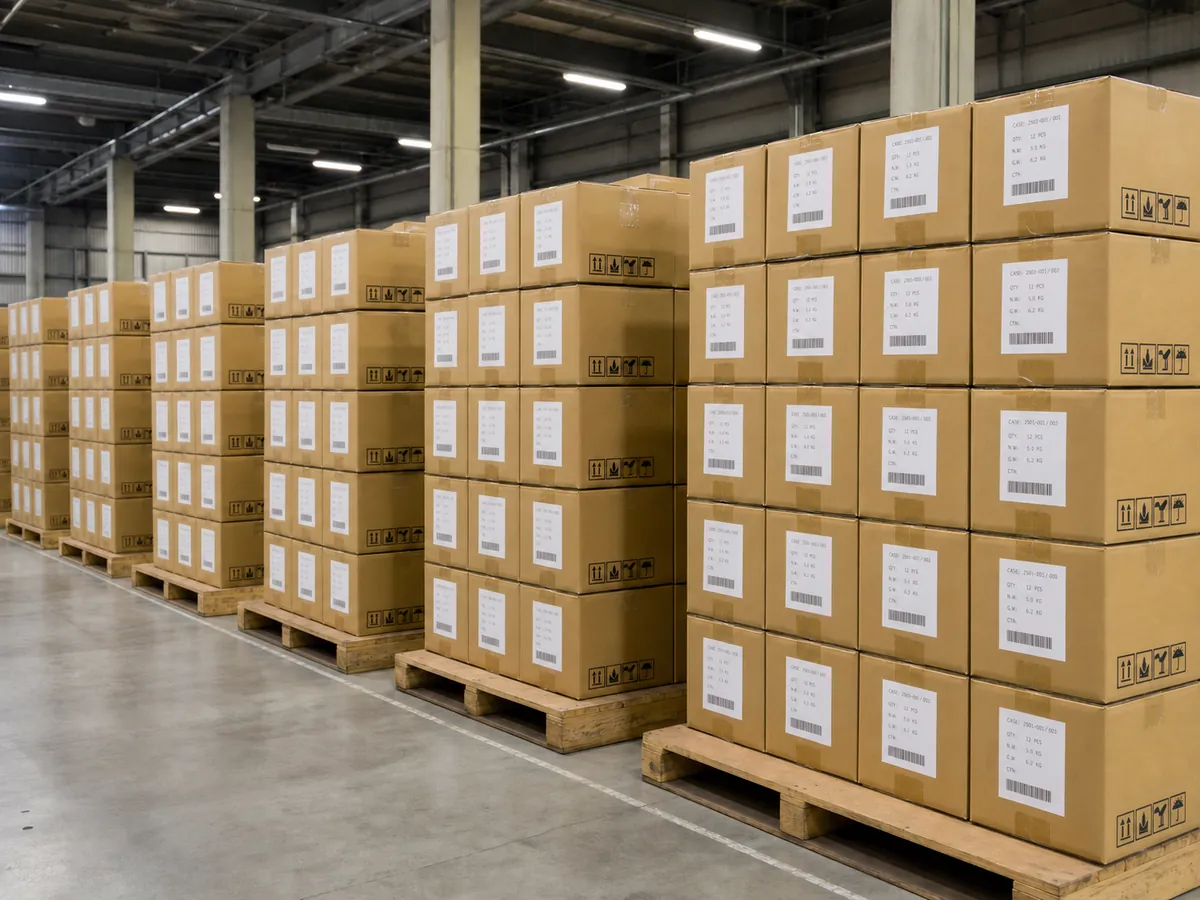
Confirm case numbers, units per carton, generic shipping labels and handling marks without exposing personal names or addresses.
Final checklist before custom plush production
Combine the check item, approval reference, record and commonly missed difference in one table.
| Check group | What to check | Approval reference | Record | Common miss |
|---|---|---|---|---|
| Size and shape | Height, width, depth, sitting height, posture and filling | Approved sample, dimension drawing and measuring points | Measurement photos, values and tolerance | Gate Different people measure from different points |
| Expression and embroidery | Eyes, brows, mouth, outline, thread, width and position | Front artwork, embroidery file and approved photos | Front and angle photos, thread codes | Gate Expression changes by angle or left-right balance |
| Color and fabric | Fabric code, pile, direction, color combination and lot | Swatches, color codes and approved version | Physical reference, codes and combination table | Gate Color name is used without a material reference |
| Accessories and sewing | Hardware, tags, clothing, reinforcement and seams | Parts list, position drawing and sample | Part photos and appearance records | Gate A component change is missing from the specification |
| Packaging and display | OPP, card, barcode, warnings, SKU label and orientation | Packaging instruction, print files and SKU table | Packing sample, proof and label version | Gate Old artwork or another SKU label is used |
| Cartons and delivery | Quantity, case number, carton marks and destination | Carton detail, delivery instruction and address list | Carton photo, weight, dimensions and dispatch sheet | Gate Carton contents differ from the outer mark |
Original Flow: From Approved References to Production Freeze
Match the product, materials, accessories, packaging and carton data before freezing the production version.
Shape, face and dimensions
Fabric and thread codes
Parts and attachment
Labels and inserts
Approver, date and revision
Four fields to keep in the approval record
Record exactly which files and sample were approved, by whom and when.
Identify the sample number, specification, photos and packaging files.
Record replacement date and current version to prevent old-file use.
Name the owner, due date and effect on production.
Keep the final approver, approval date and conditional approval details.
Four final audit gates before mass production
Release the production line only after approval records, components, logistics labels and safety-check preparation are confirmed.
Record the approval target, revision, approver, approval date and any conditional approval under the same project version.
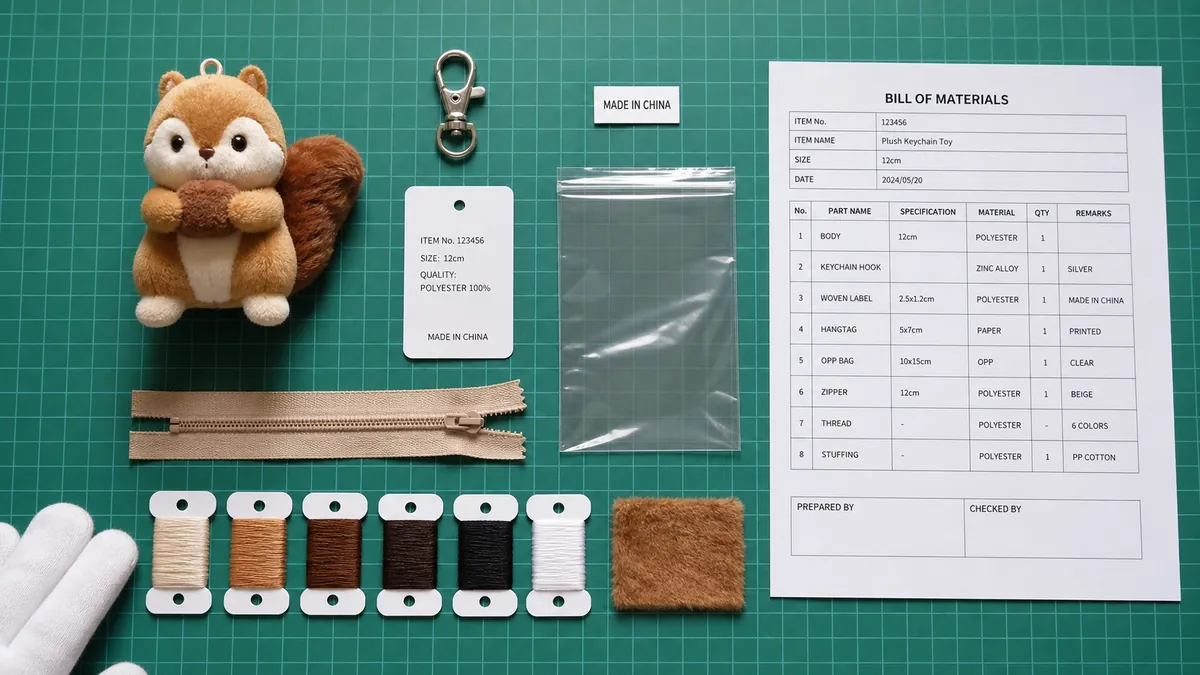
Compare hardware, woven labels, hangtags, bags, thread and other secondary materials against the approved BOM.
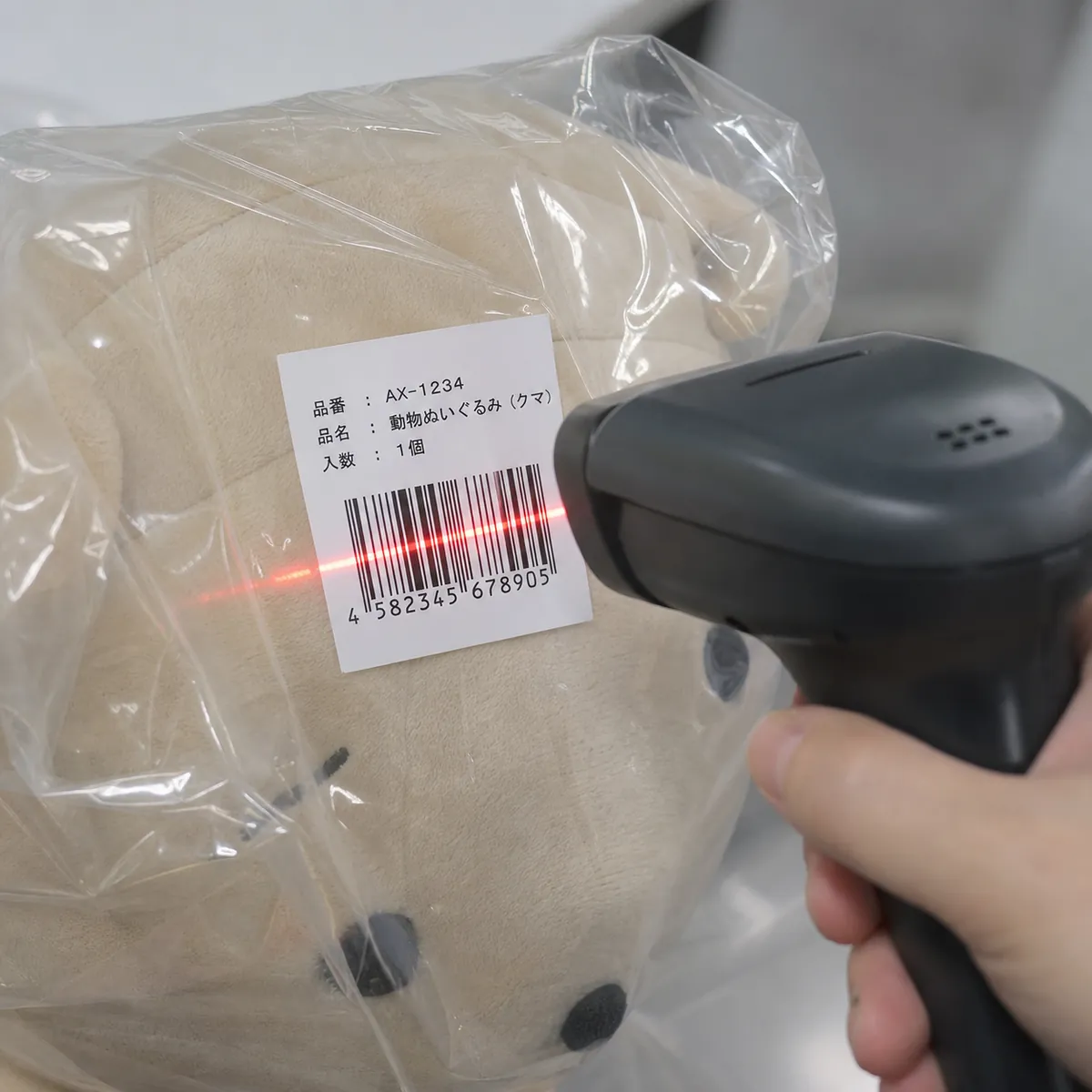
Test the actual printed barcode before production and verify the SKU, code, backing card and packaging combination.
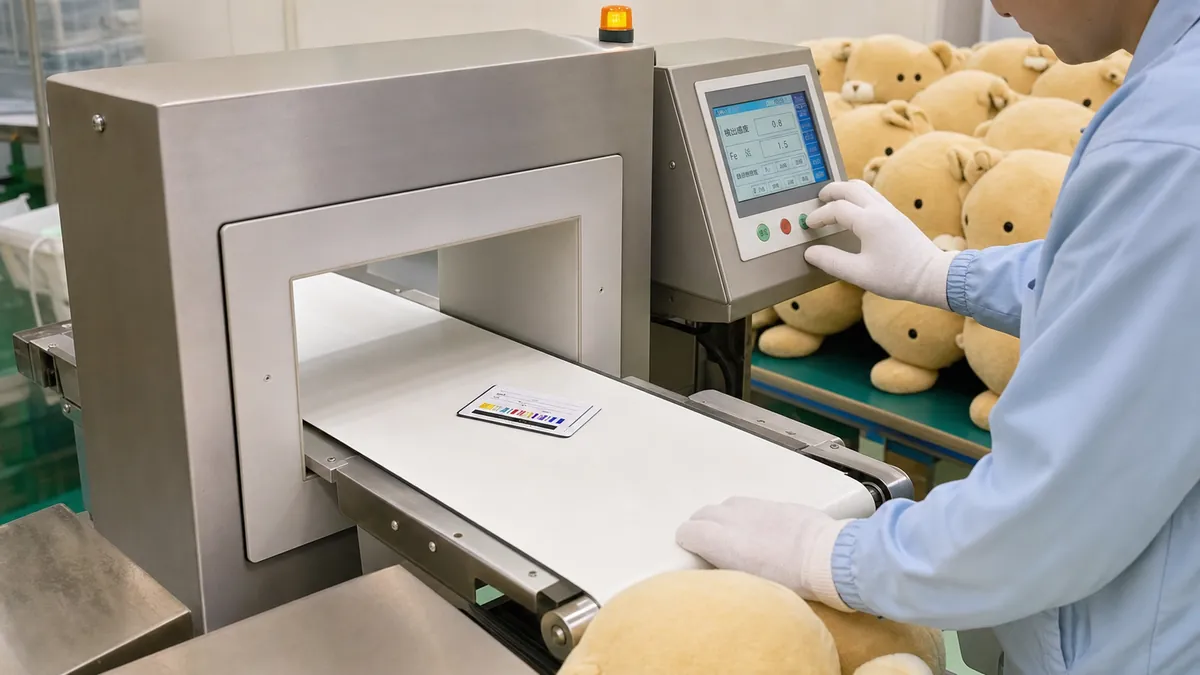
Where required by the product and destination, confirm detector operation and sensitivity with an agreed calibration test piece.
Three control rules that prevent production drift
Prevent unauthorized material substitutions, inconsistent tolerance decisions and first-day line deviations before full production continues.
Register a component master BOM
List the manufacturer, model or specification, material and color reference for zippers, woven labels, ball chains and other secondary materials. Only approved components should be released to the production line.
Agree measurable tolerance limits
Sewn plush products include manual processes and natural variation. Define the measuring method and pass/fail limits for facial placement, finished dimensions, thickness and filling firmness—for example, an agreed left-right placement tolerance where appropriate.
Run first-article inspection
Sample the first units produced on day one and compare them with the master sample, BOM and packaging specification. Continue full production only after the agreed first-bulk quantity passes the review.
Files to prepare for production approval
Manage product, material, packaging and delivery references under the same project and revision identifiers.
- Approved sample number
- Dimension drawing and points
- Expression and embroidery files
- Fabric and thread codes
- Hardware, tags and accessories
- Alternative-material condition
- OPP, card and barcode files
- Warnings and inserts
- Packing sample by SKU
- Carton quantity and case number
- Outer-carton label
- Destination, split and warehouse rules
Related pages
Use this checklist with sample revisions, approvals, materials, packaging, inspection and delivery planning.
FAQ
What should be checked before production starts?
Match the approved sample and specification for dimensions, expression, color, fabric, embroidery, accessories, packaging, labels, carton quantity and delivery conditions.
Is sample approval alone enough?
Also freeze the dimension drawing, material codes, embroidery files, packaging and label versions, and carton details used by production.
Can color be approved from a screen image?
Screen appearance varies. Use swatches, thread codes or a physical sample as the project-specific color reference when needed.
What happens if a specification changes before production?
Record the change, affected SKUs, packaging and inspection points, define the recheck method, and update the approved files and revision.
Does the checklist guarantee zero defects?
No. It reduces missed confirmations but cannot guarantee zero defects. Define project inspection criteria, sampling method and tolerances separately.
What should be shared for an inquiry?
Share the approved sample, specification, SKU count, quantity, materials, accessories, packaging, labels, cartons, inspection needs and destination.
Freeze the approved sample, specification, packaging and carton information under one revision before production
Share open items, approver, revision, inspection and delivery conditions so the project-specific pre-production checks can be organized.