
Japan Delivery Planning Guide
Custom Plush DDP and Split Delivery Guide
B2B guide to DDP shipping for custom plush toys: buyer inputs, samples, MOQ, production risks, quality checks, lead time, and quote preparation.
For custom plush shipped from China to Japan, separate the DDP trade term from domestic warehouse receiving, multi-destination delivery and proxy dispatch instructions.

Six delivery conditions to define before quotation
Go beyond the DDP label and specify the named place, receiving rules, carton data and split-delivery unit.
Confirm warehouse name, address, delivery point, receiving hours and booking requirement.
Confirm importer information, declaration documents, classification, origin, duties and tax handling.
Align SKU quantity, carton count, gross weight, volume, invoice and packing list.
Check booking number, pallet rules, vehicle limits, unloading, waiting, inspection and labels.
Match case number, SKU, quantity, destination, purchase order and required label to the contents.
Control destination quantity, sequence, reserve stock, shipper name, inserts and address version.
Checks from DDP planning to domestic split delivery
Separate the information exchanged by buyer, factory, logistics provider and Japan warehouse at each stage.
| Stage | Define first | Factory or logistics | Buyer or warehouse | Common issue |
|---|---|---|---|---|
| Quotation | Incoterms version, named place, cargo and split count | Review transport, clearance and domestic delivery scope | Provide destination and receiving conditions | Check The named place or operating scope is vague |
| Shipping documents | Description, material, quantity, value, origin and cartons | Align invoice, packing list and case numbers | Confirm import and warehouse registration fields | Check Documents do not match the physical cargo |
| Import clearance | Importer, documents, taxes and regulatory contact | Coordinate questions and missing documents with broker | Provide company or product details when required | Check A customs inquiry changes the working schedule |
| Domestic delivery | Address, vehicle rule, booking and unloading scope | Send address, cartons, weight and time window | Coordinate booking and receiving number | Check No booking, vehicle restriction or waiting charge |
| Warehouse receipt | PO, SKU, quantity, carton labels and inspection scope | Match delivery note and carton information | Record and report receipt differences or damage | Check Carton label differs from warehouse registration |
| Split dispatch | Quantity, sequence, waybill and inserts by destination | Match address list to case numbers | Consolidate receiving rules and address changes | Check Old address or destination cartons are mixed |
Original Flow: From Delivery Scope to Split-Delivery Completion
Carry the same PO, SKU and case identifiers through shipping documents, clearance, warehouse receipt and split dispatch.
Named place and responsibilities
Match SKUs and case numbers
Clearance files and responses
Booking and receipt match
Final address and quantity check
Four points that keep DDP separate from split delivery
Manage the trade term, warehouse work, domestic delivery and post-receipt dispatch as separate instructions.
Write the warehouse, address and delivery point instead of only stating delivery to Japan.
Confirm responsibility for unloading, waiting, devanning, inspection and storage.
Control destination quantity, case number, sequence, reserve units and address revision date.
Allow for customs questions, weather, congestion and booking changes instead of promising a fixed arrival date.
Three logistics points to match with photos and records
Before shipment, match warehouse instructions, outer-carton marks and destination quantities in the same project sheet.

Confirm carton count, packing form, booking, receiving number and unloading conditions.
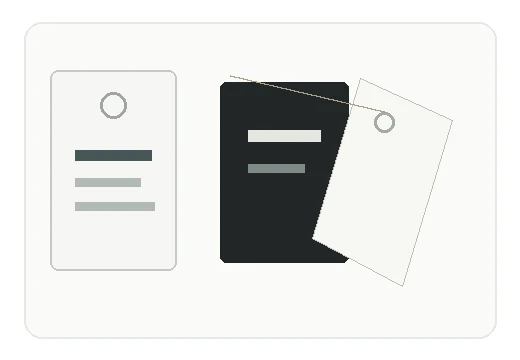
Match SKU, quantity, case number and destination to the carton contents.
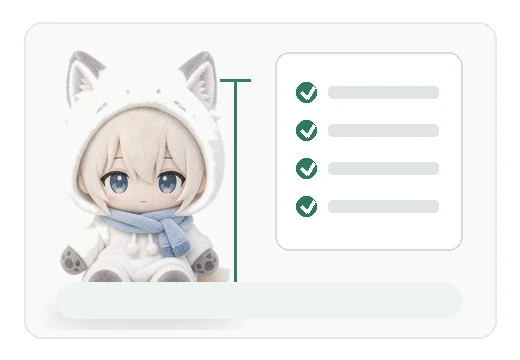
Check case numbers, quantities, waybills and inserts by destination.
Information to prepare before inquiry
Provide cargo, customs, warehouse and split-delivery conditions, not only a street address.
- Quantity and material by SKU
- Carton quantity, weight and volume
- Packaging and label specification
- Incoterms version and named place
- Importer and clearance contact
- Tax and regulatory contact
- Warehouse, address and delivery point
- Booking, receiving and vehicle rules
- Unloading, inspection and storage scope
- Quantity and sequence by destination
- Shipper name and inserts
- Reserve stock and address-change deadline
Related pages
DDP and split delivery connect to quotation files, packaging, SKU control, inspection and event delivery planning.
FAQ
What is included in DDP delivery?
DDP defines responsibility for transport, export and import clearance, duties and taxes up to the named destination. Unloading, receiving inspection, storage, sorting and onward dispatch are not automatically defined, so confirm each item in the quotation.
Does the buyer need to prepare anything under DDP?
Company or product information, warehouse registration, delivery booking, receiving numbers or other details may still be required for clearance and receipt. Confirm the project-specific requirements.
Can cartons be split across Japan warehouses or event venues?
Review feasibility and cost by project after the destinations, quantities, carton counts, addresses, sequence and receiving conditions are provided. Support cannot be assumed for every address or project.
What is required for proxy dispatch?
Prepare the current destination list, recipient, telephone number, quantity, shipper name, inserts, sequence and address-change deadline, and agree on a secure method for transferring personal data.
Can you guarantee a fixed arrival date?
Production, inspection, transport, customs questions, weather and warehouse booking can change timing. Set a project target and review milestones from the required date rather than relying on an absolute guarantee.
What is needed for a quotation?
Share product specification, SKU quantity, packaging, carton conditions, named destination, warehouse rules, split destinations, preferred sequence and import-clearance information.
Define the named place, warehouse rules and split-delivery sheet before quotation to clarify the DDP scope
Share product specifications, carton quantity, named destination, warehouse booking, carton marks and quantities by destination so the logistics checks can be organized for the project.