What Determines Custom Plush Sample Cost?
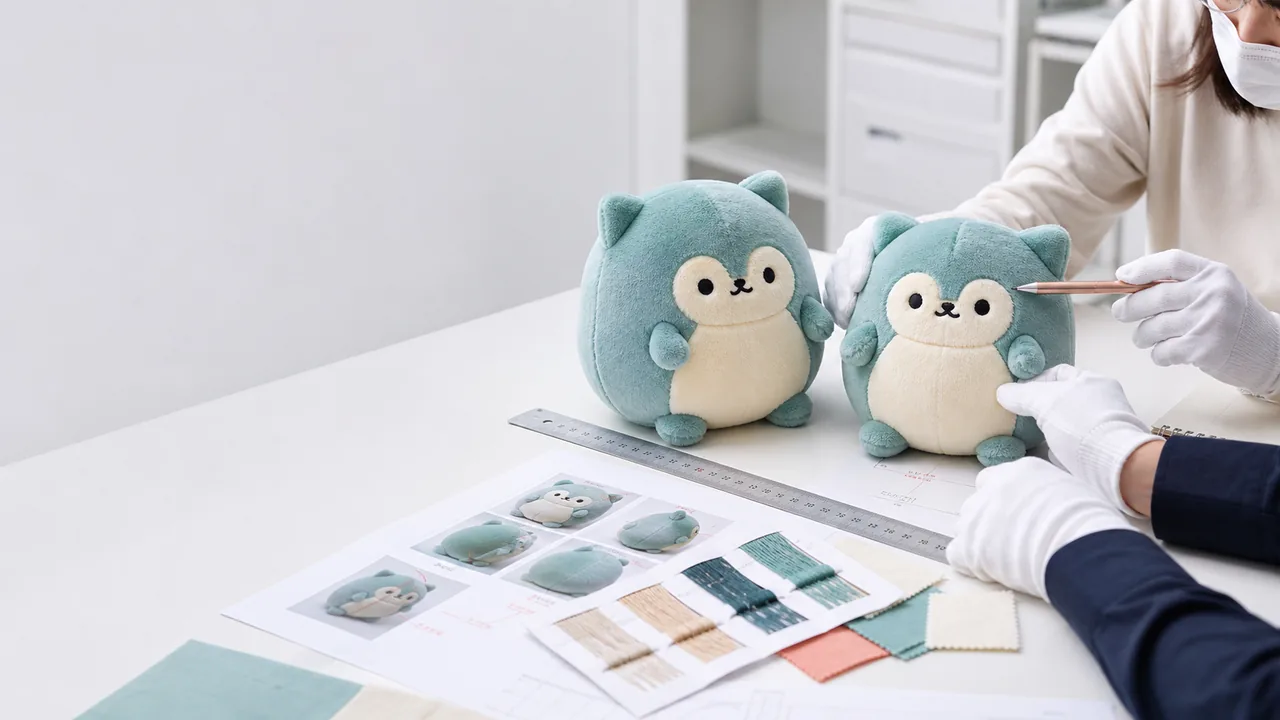
Separate the work that must be repeated from the review activity already included in the project scope.
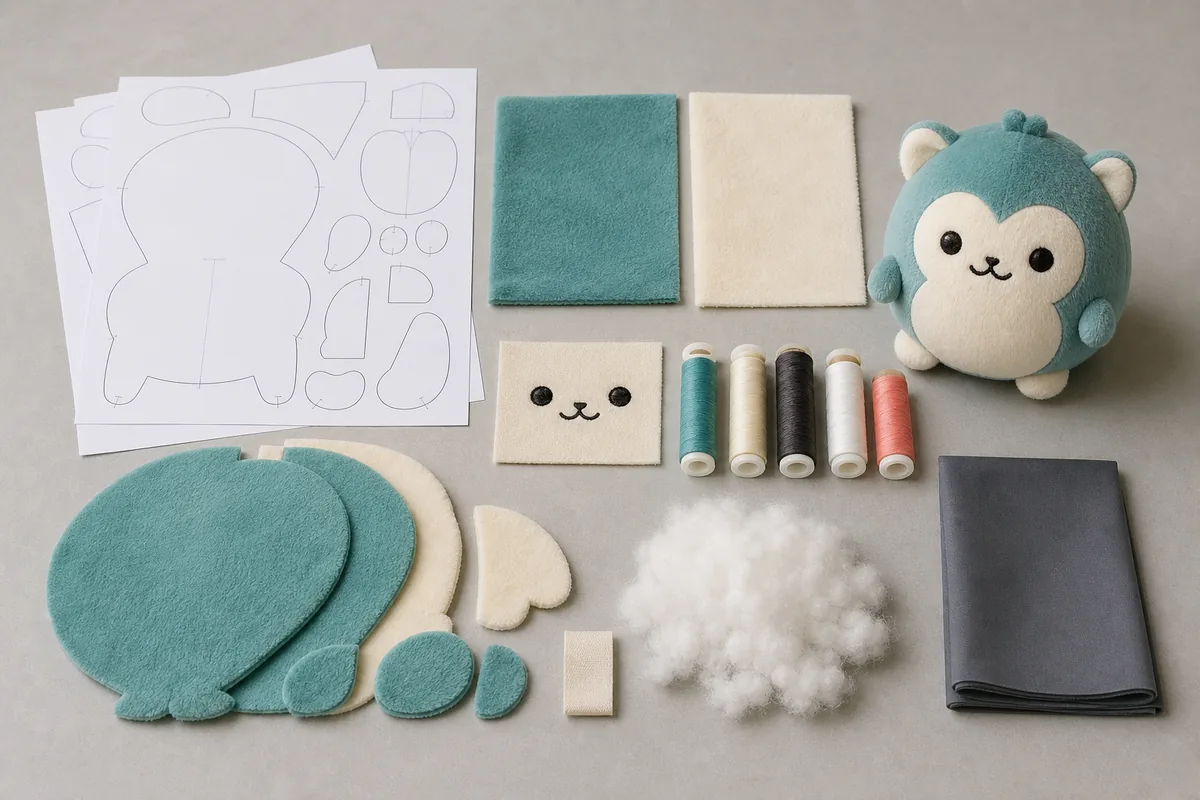
Changing the silhouette, size, limbs, or garment structure may require new pattern work.
Moving or resizing eyes, mouths, or logos can require updated files and another stitch or print test.
Material changes can affect availability, color matching, reordering, and minimum purchase requirements.
If a change cannot be approved from photos, a new physical sample may be needed.
Additional characters, hardware, backing cards, or bags expand the review scope.
Physical dispatch, returns, and approval by multiple locations should be costed and scheduled per project.
Changes That May Need a Revised Quote
Use the table to identify scope boundaries that should be confirmed before revision work begins.
| Change | Scope signal | Confirm before work |
|---|---|---|
| Correct a gap from the agreed specification | Check included scope | Source specification, difference, verification method |
| Change eyes, mouth, or outfit after approval | Possible new scope | File update, rebuilt sample, schedule |
| Change size, 3D structure, or pattern | Possible major change | Pattern, material usage, packaging dimensions |
| Change fabric, color, or embroidery thread | Check material reorder | Availability, color sample, testing, shipping |
| Add a SKU, hardware, or packaging | Check additional samples | Quantity by SKU, shared specifications, packaging |
| Send comments in several batches | Check repeated work | Feedback deadline and consolidating owner |
Four Rules That Define One Revision Round
Define who consolidates which comments into one version and by what deadline.
Collect internal and licensor feedback by the same deadline.
Use the same R0, R1, or R2 number for sample photos and the revision sheet.
Label each item as required, discuss, no change, or check next round.
Record what must be approved before the project moves forward.
Seven Fields for a Clear Plush Revision Sheet
Consolidate revisions in the Excel template and match every row to the same number on photos or drawings.
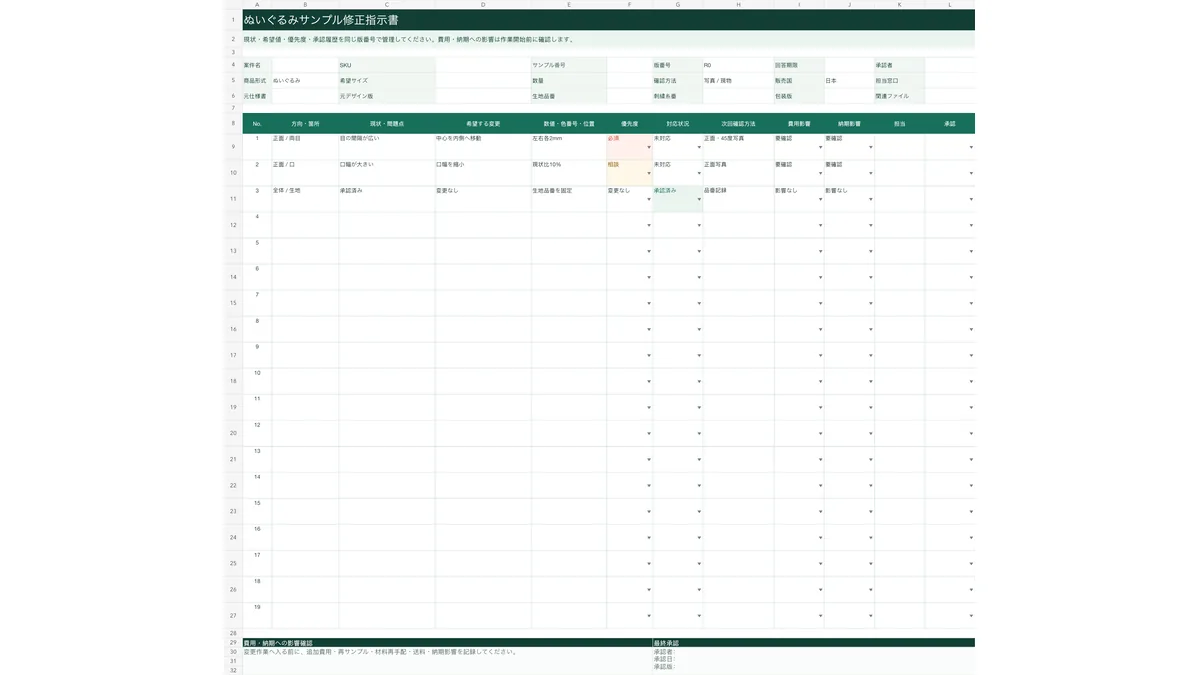
Includes Revision Sheet, Project Terms, and Version History tabs.
- Project and SKU
- Sample ID and version
- View and revision area
- Current issue
- Target value or measurement
- Priority and verification
- Cost, lead time, and approver
| No. | View / area | Current | Target | Priority | Verification |
|---|---|---|---|---|---|
| 01 | Front / both eyes | Eyes are too far apart | Move centers inward 2 mm each | Required | Front and 45° photos |
| 02 | Front / mouth | Mouth is too wide | Reduce 10% from current | Discuss | Front photo |
| 03 | Overall / fabric | Approved | No change | Locked | Record material code |
Vague Feedback vs. Measurable Feedback
Keep the current state visible and use arrows, measurements, and comment numbers to make the requested change verifiable.
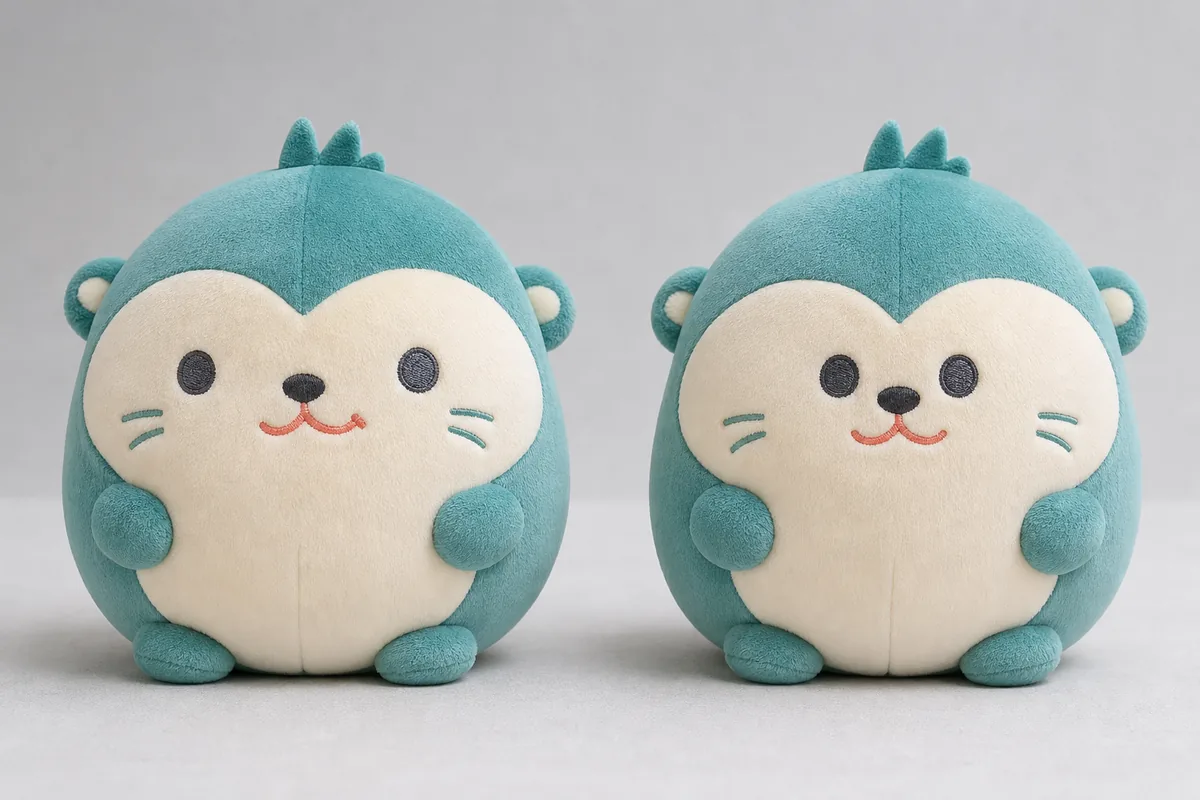
Make it cuter and move the eyes in a little
There is no measurable reference, so each person may interpret it differently.
Move each eye center inward by 2 mm
The target, direction, amount, and verification method can be tracked in one comment.
Keep a Version and Approval Log
Manage the sample, feedback sheet, and supplier response under the same version so approved details do not revert.
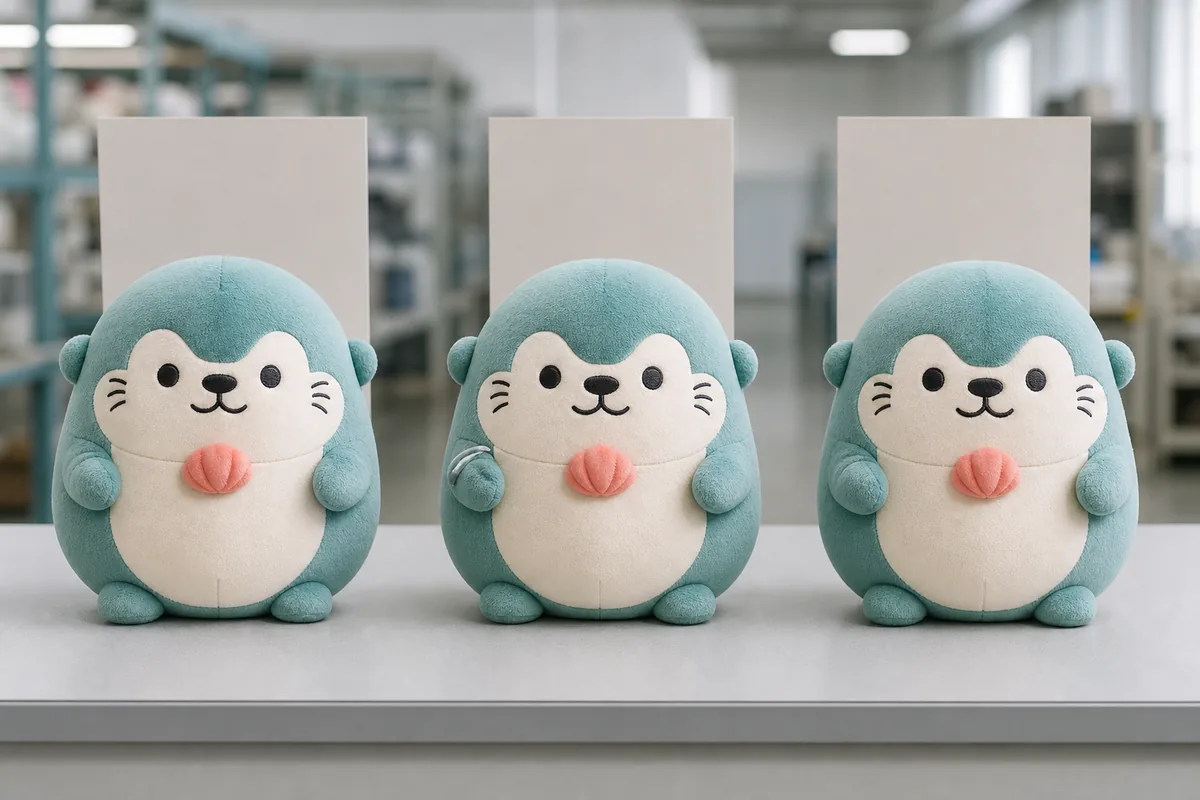
Record current photos, measurements, materials, and sample ID.
Match completed, open, and discussion items by comment number.
Lock the approver, approval date, and version used as the production standard.
Checklist Before Requesting a Quote
Confirm the sample-review terms at the same time as the quotation scope.
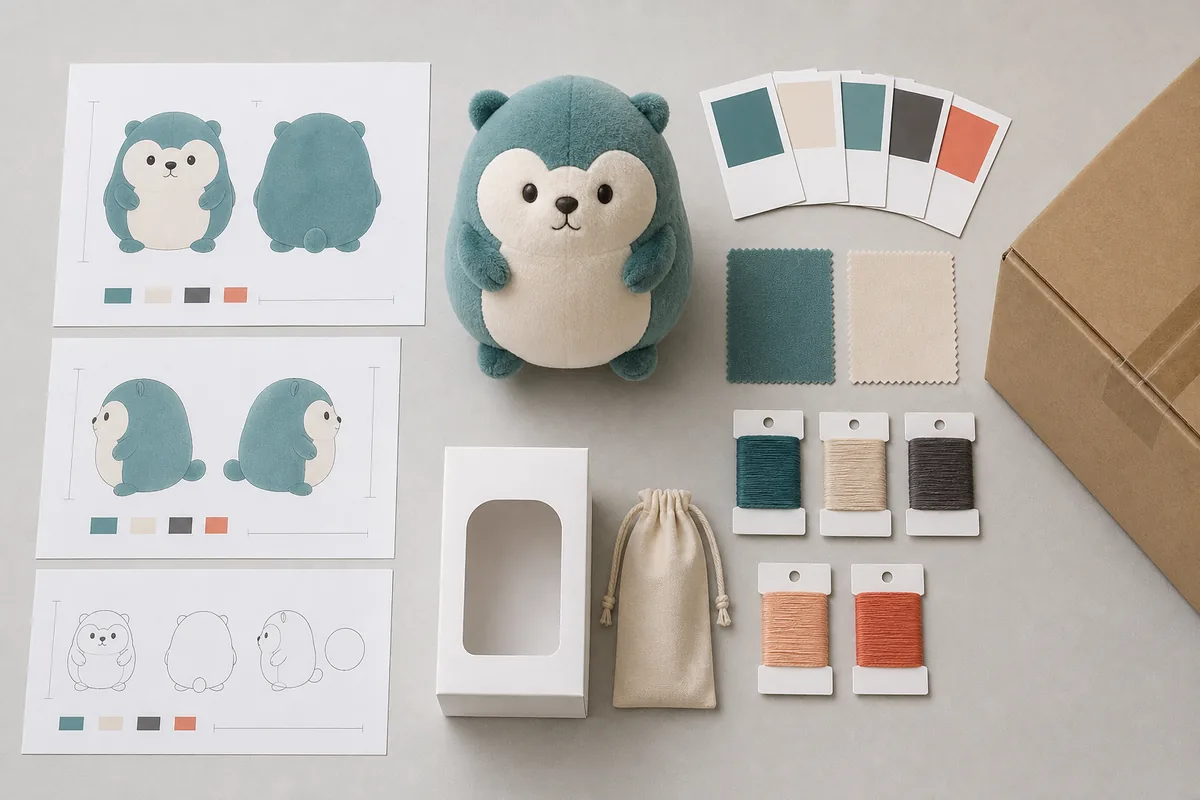
- Work included in the sample fee
- Included scope, not only round count
- Definition of a major change
- Treatment of a rebuilt sample
- Material reordering and courier cost
- SKU and packaging samples
- Feedback deadline and owner
- How production approval is recorded
Frequently Asked Questions
How many sample revision rounds are available?
There is no universal round count. Confirm the included revision scope, definition of a major change, and whether a rebuilt sample is required for your project.
Which changes can lead to additional charges?
Changes after approval, new pattern or structural work, material reordering, extra SKUs, a rebuilt sample, or additional courier review can change cost and timing. Confirm the impact before work begins.
Should feedback be sent in PDF, Excel, or images?
Use Excel or PDF for the consolidated list, plus numbered images with arrows and measurements for position or shape changes.
When should additional cost be confirmed?
Before the factory starts the change, confirm scope, rebuilt-sample needs, materials, courier cost, and schedule impact, then record the approval.
Control Sample Cost by Defining Scope and Approval
Share your artwork, size, quantity, SKU count, target date, and preferred sample-review method. We will organize the checkpoints around your project scope.