B2B BLOG / MULTI-SKU SOURCING
Custom Plush MOQ for Multiple Designs |
Per-SKU vs Total Order Quantity
Planning several characters or colorways in one production run? A large total order does not always solve a low quantity on one design. This guide shows how buyers can separate total volume from per-SKU requirements before requesting a quote.
MOQ DECISION
Per-SKU MOQ and total order quantity answer different sourcing questions
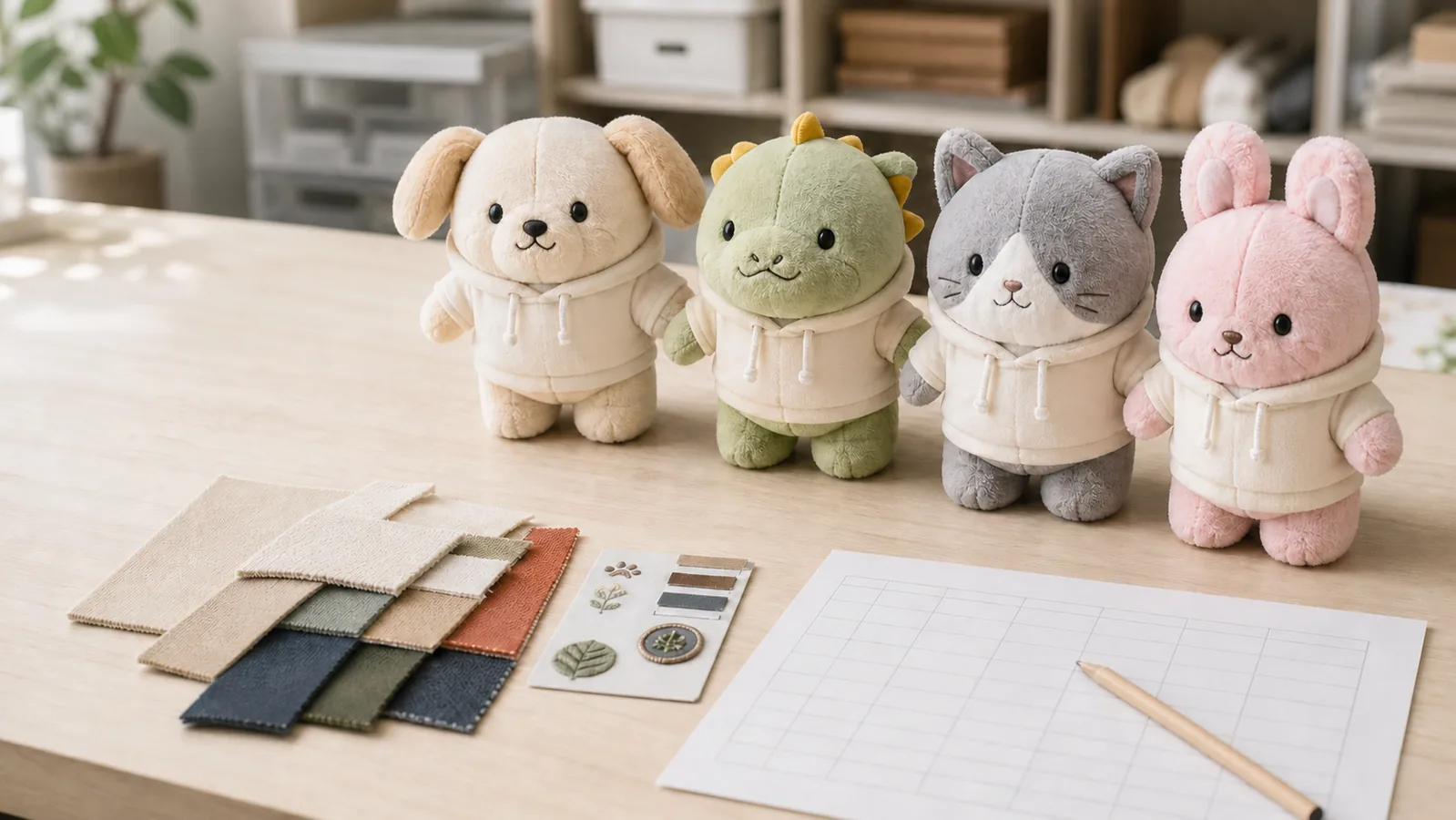
For custom plush production, MOQ is rarely just one number. The total order quantity helps the factory plan shared fabric, filling, cutting, sewing, inspection, and freight. The quantity of each design matters when a SKU needs its own pattern, embroidery program, fabric color, accessory, size, or retail pack.
SHARED & UNIQUE
Map what can be pooled before asking whether designs can share an MOQ
The useful question is not simply “Can these designs be combined?” Ask which specifications are genuinely shared and which ones trigger a separate purchase, file, setup, or inspection step.
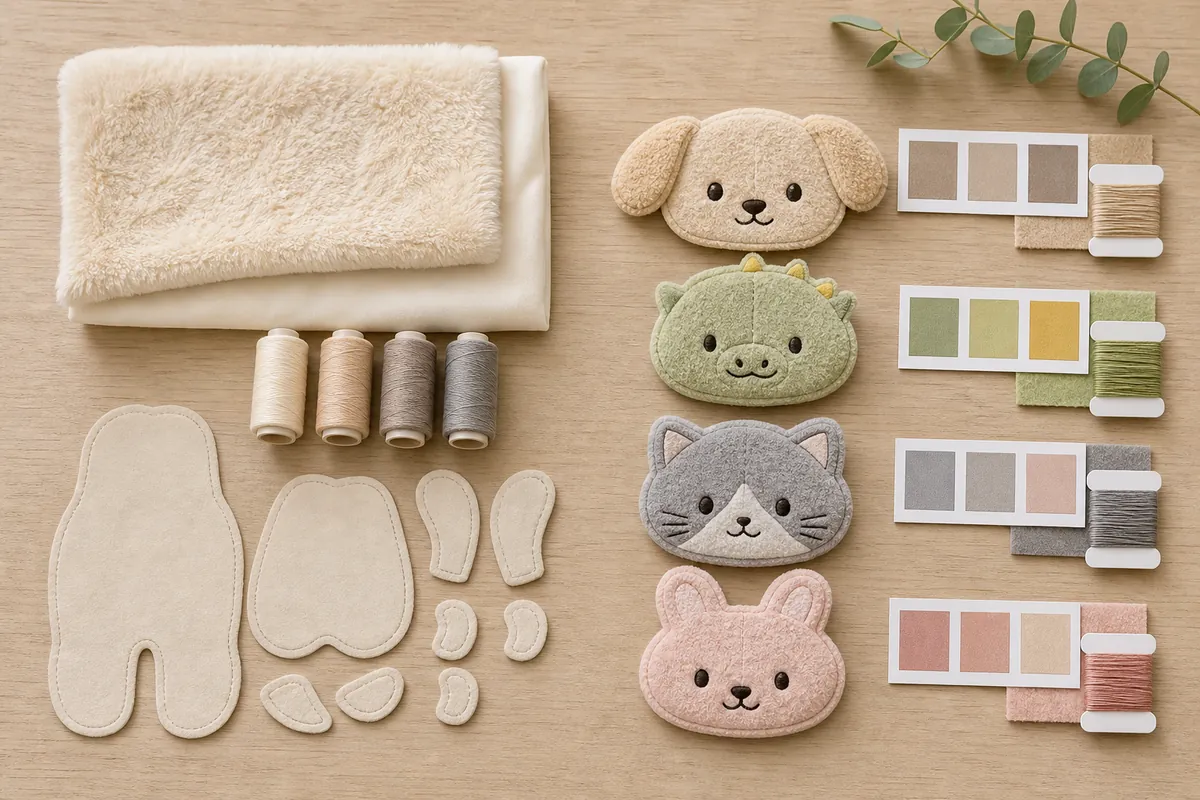
Often shared across SKUs
- Base size and body pattern
- Main fabric, filling, and sewing flow
- Common label and inspection standard
Usually reviewed per SKU
- Embroidery files and fabric colors
- Outfits, accessories, and size changes
- Backer cards, barcodes, and unit packs
50,000-UNIT EXAMPLE
How to allocate a 50,000-unit custom plush order across four designs
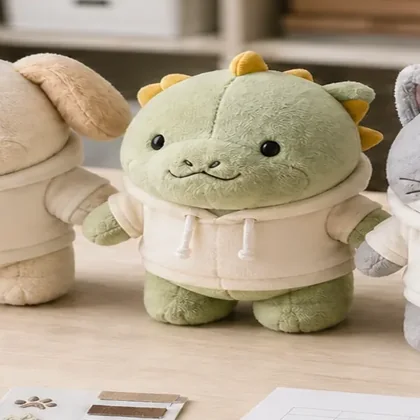
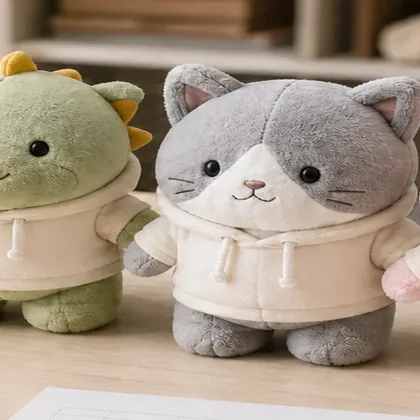
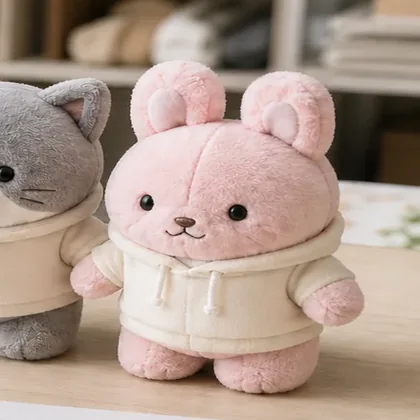
This is a planning example, not a fixed MOQ or price promise. The 50,000-unit program is split according to expected demand: 20,000 / 15,000 / 10,000 / 5,000. The 5,000-unit tail SKU still needs its own feasibility check if it carries unique materials or packaging.
COST DRIVERS
Six factors that make a multi-design plush order cost more per unit
Separate files, sampling, and approvals by design
Fabric rolls, trims, hardware, and custom colors
Thread, tools, sewing steps, and work instructions
Backer cards, barcodes, warnings, and bag formats
SKU matching, pack counts, and overage control
Destinations, carton plans, and replenishment size
PACKAGING & CARTONS
Packaging can turn a shared plush body into separate SKUs
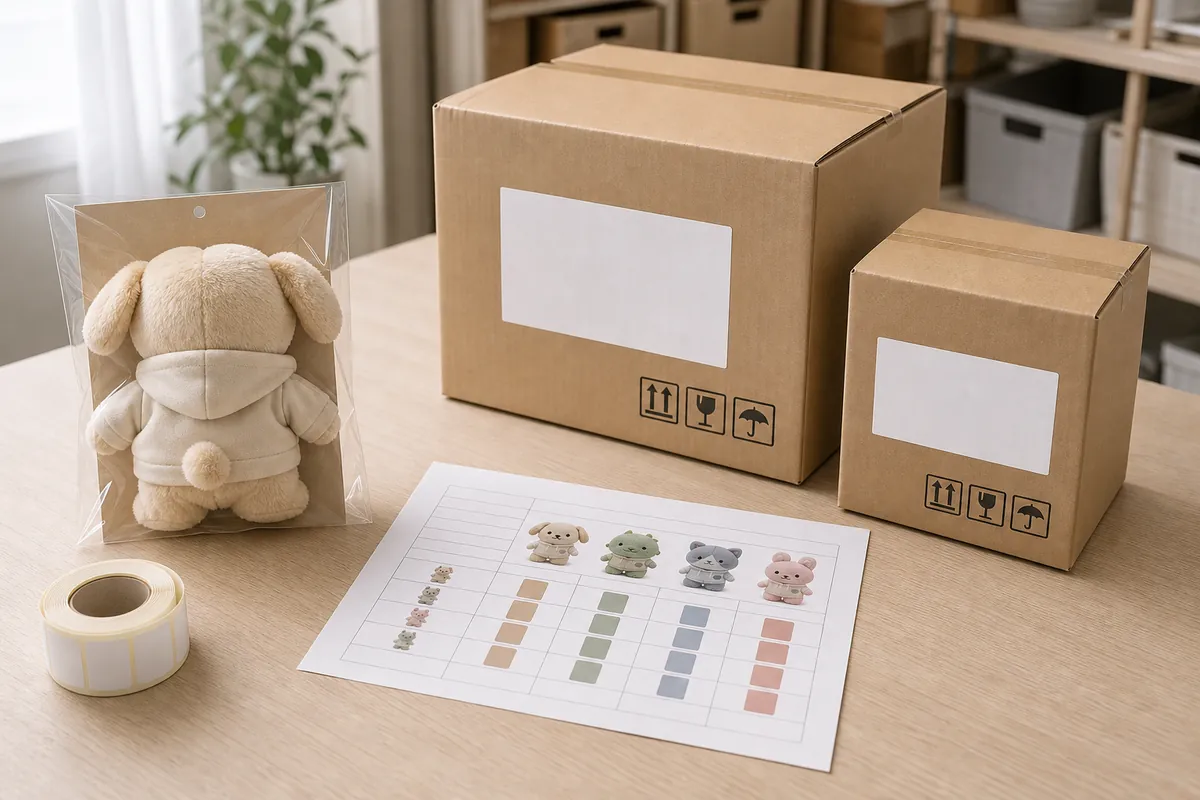
Different barcodes, backer cards, warning text, pack ratios, or destinations create separate handling requirements even when the plush body is similar. Put packaging and carton rules into the allocation sheet before the quote.
QUOTE CHECKLIST
Give the factory two numbers: quantity by SKU and program total
Do not hide undecided items. Mark them as open questions and show one or two allocation options so the supplier can identify where cost or feasibility changes.
WORKFLOW
From SKU planning to shipment
FAQ
Frequently asked questions
Is custom plush MOQ calculated per design or across the total order?
Both numbers matter. Shared materials and production steps may benefit from the total volume, but design-specific fabric colors, embroidery files, accessories, sizes, and packaging are normally checked against the quantity of each SKU.
Can different colors be combined to meet one MOQ?
Sometimes, but not automatically. If the colorways use separate fabric purchases, embroidery thread sets, print files, or packaging, the factory still needs to review the quantity for each color SKU.
What happens if one SKU has a much lower quantity than the others?
The lowest-volume SKU can carry a higher unit cost or require a specification change when it needs dedicated materials, line changeovers, embroidery setup, or custom packaging.
Can a 50,000-unit order use an uneven SKU split?
Yes, when the material, process, and packaging plan supports it. Ask for at least two allocation scenarios so the factory can compare the cost and production impact of the long-tail SKUs.
What should I send for a multi-design plush quote?
Send the design list, quantity by SKU, total order quantity, size, shared and unique specifications, packaging, target delivery date, and destination. Mark undecided items clearly instead of guessing.
START A CONVERSATION
Still deciding the quantity for each design?
Share the number of designs, target total volume, size, packaging, and launch date. We can help identify which specifications should be shared and which need a per-SKU check.