Character Merchandise
Manufacturing Solutions
by Business Type
The right manufacturing route depends on the buyer type, product mix, number of SKUs, launch date, packaging and inspection requirements, and delivery destination.
CharacterCraft Gift helps IP owners, anime and game publishers, blind-box and capsule-toy planners, agencies, lifestyle brands and event teams define a workable route from specification and sampling to QC, kitting and delivery.
Narrow the route with three project conditions
Match the buyer type with the sales channel and the risk that matters most.
Select all three conditions to see the best page to review first.
 01
01IP Owners & Licensors
Build a consistent merchandise program that can grow with the IP.
Explore this route 02
02Anime, Games & VTubers
Coordinate a multi-SKU collection around a release or campaign date.
Explore this route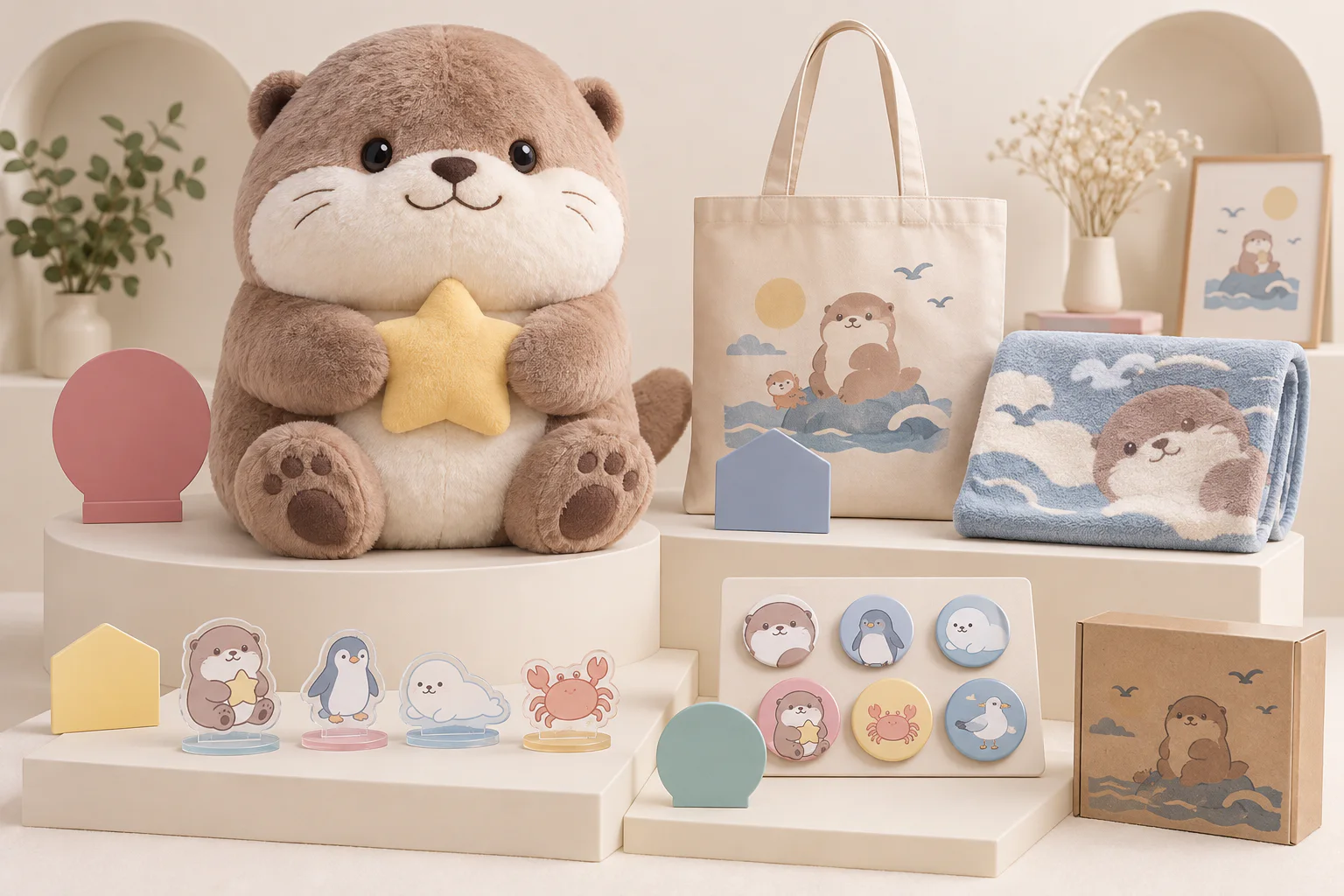 03
03Blind-Box & Prize Programs
Balance product appeal, variant control, packing ratios and cost.
Explore this route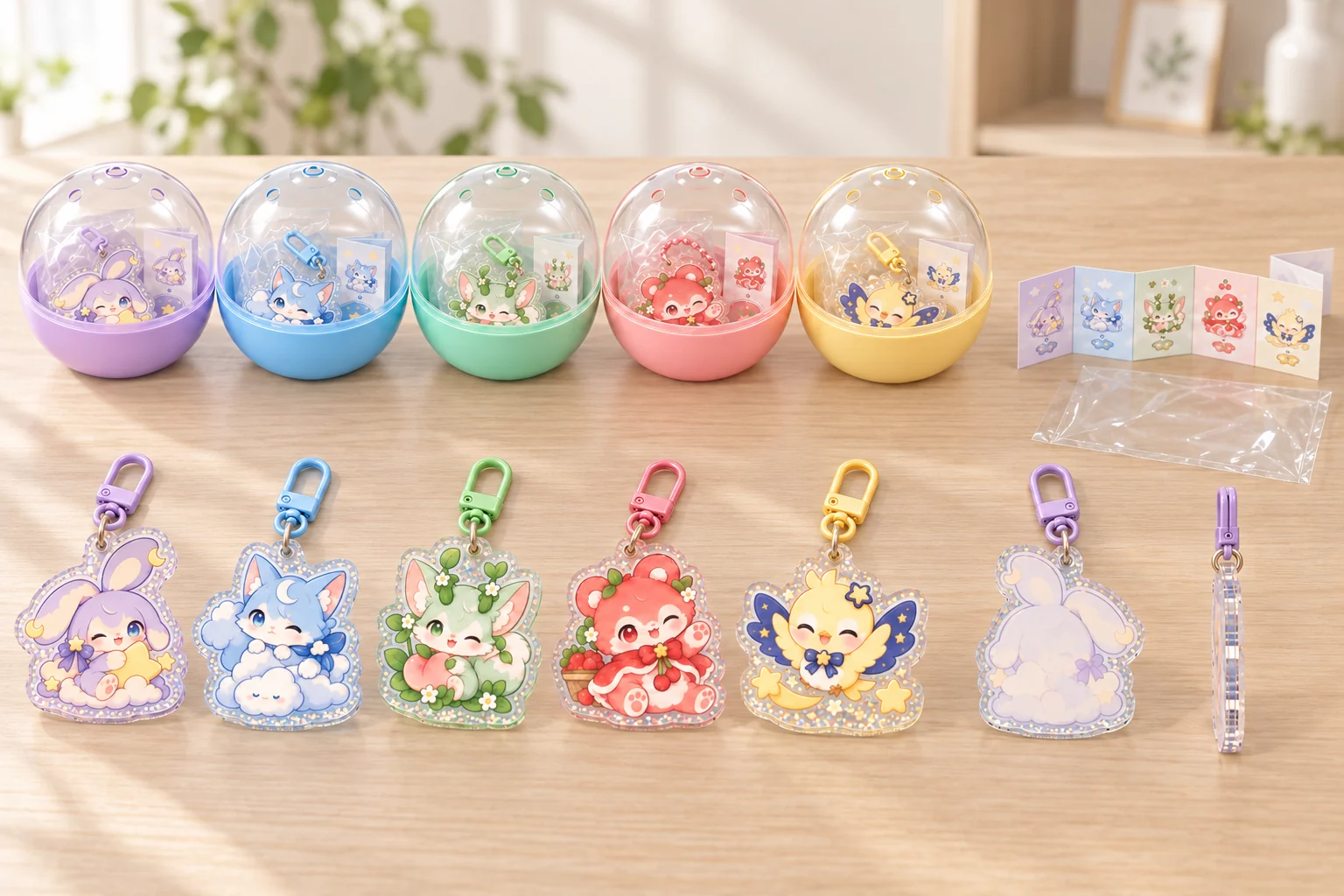 04
04Capsule Toy Programs
Plan the item, OPP bag, folded insert, capsule and assortment together.
Explore this route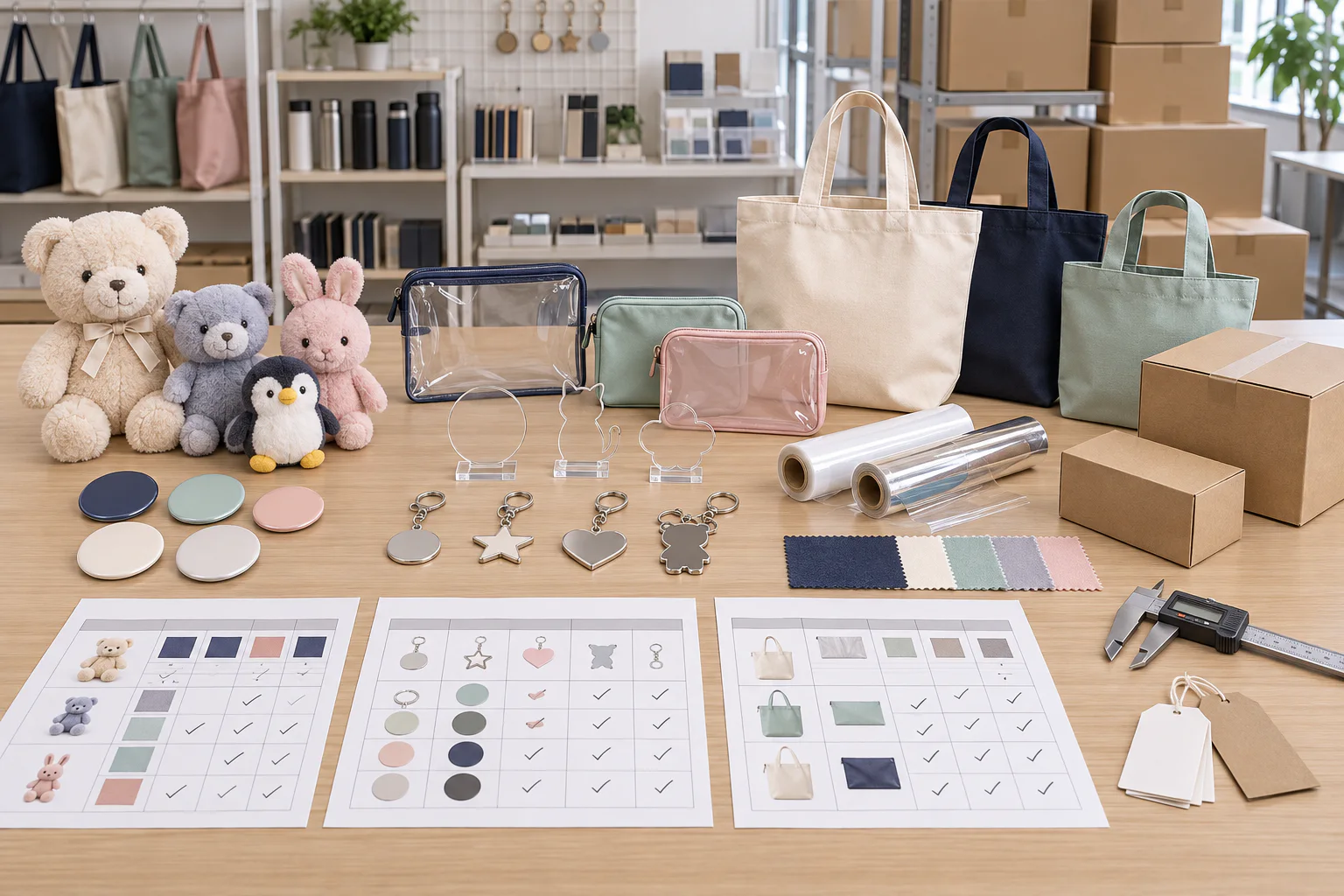 05
05Agencies & Distributors
Source several categories with controlled files, samples and delivery terms.
Explore this route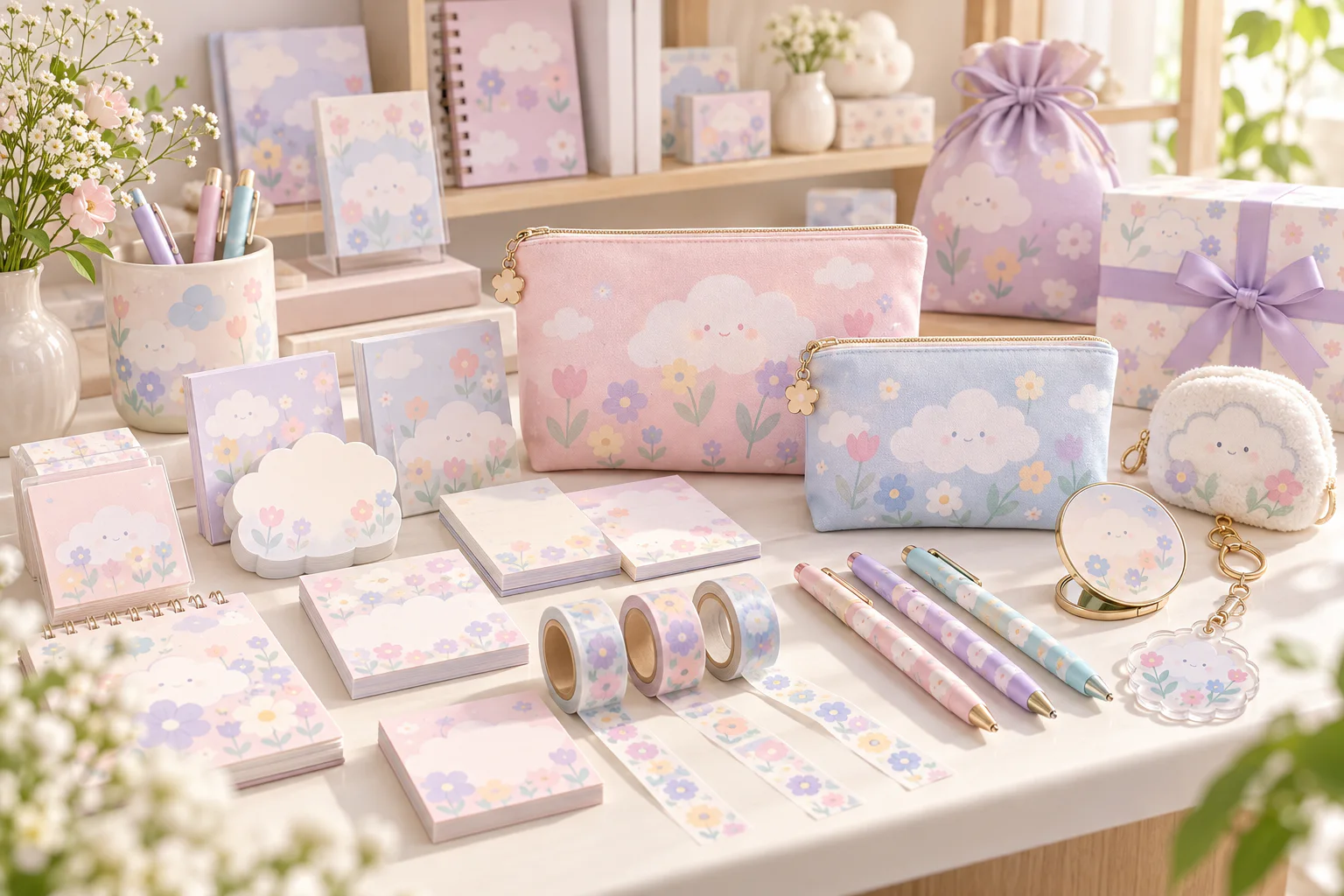 06
06Lifestyle & Gift Brands
Create useful, retail-ready collections across soft and hard goods.
Explore this route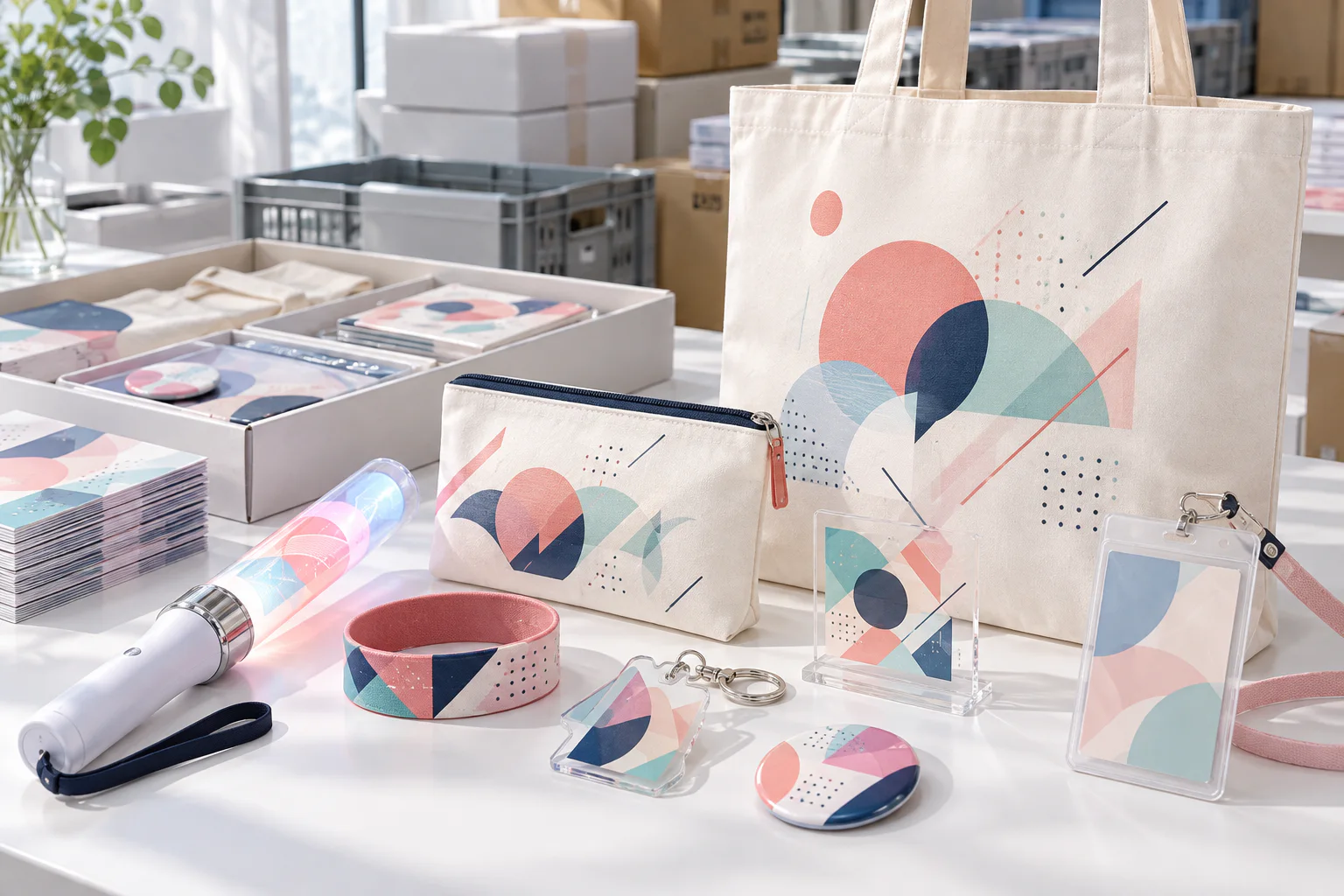 07
07Fan & Event Merchandise
Plan variants, bundles and packaging for fan communities and event sales.
Explore this route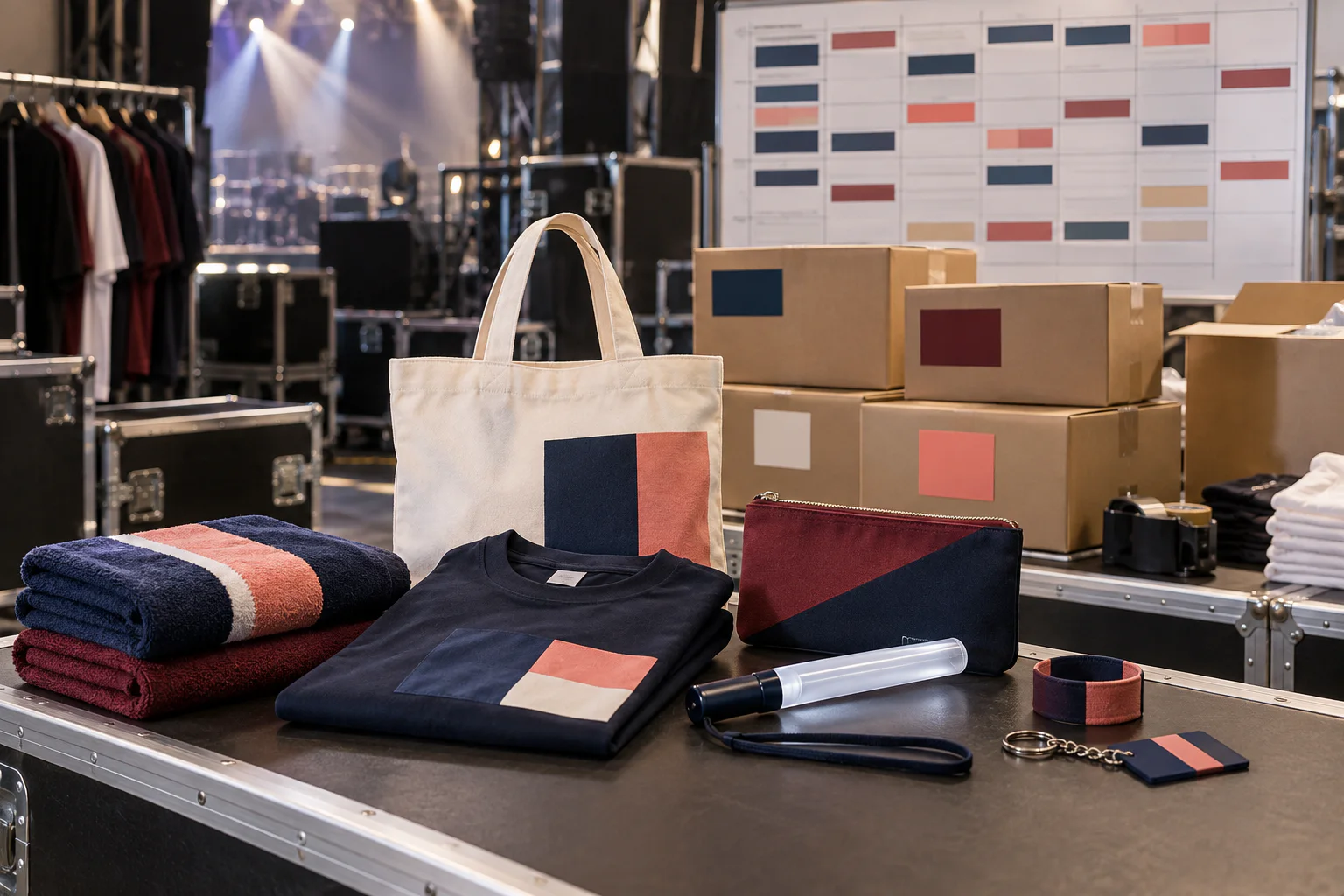 08
08Tour & Stage Merchandise
Prepare quality merchandise and venue allocations for fixed event dates.
Explore this routeFour decision axes
Choose a route from the real project conditions, not the company label alone.
Launch date
When the goods must be in hand for retail, release or event sales
SKUs & assortment
Products, variants, ratios and the packing sequence
Quality & inspection
What must be approved and checked before delivery
Packing & delivery
Individual packs, kits, cartons and split destinations
Independent inspection and repacking outside the manufacturing supplier
Route goods to a partner center for agreed inspection, individual poly bagging, kitting, SKU checks and carton packing.
Compare routes using the full project brief
Review the SKU plan, quality focus, packaging and delivery model together.
| Buyer | Typical program | SKU level | Quality focus | Packaging | Delivery | Start here |
|---|---|---|---|---|---|---|
| IP owners | Core, anniversary and licensed ranges | Medium–high | Artwork and color consistency | Brand specification | Split / repeat | IP route |
| Anime & games | Broadcast, launch and campaign ranges | High | Proofing and version control | Title-specific sets | Release-date led | Anime route |
| Blind-box & prize | Series, tiers and prize assortments | Medium–high | Variant and ratio control | Blind / display packs | Launch allocation | Prize route |
| Capsule toy | Machine-ready collectible series | High | Packed fit and closure | OPP, insert, capsule | Assorted cartons | Capsule route |
| Agencies | Cross-category client sourcing | By project | Supplier consistency | Client-defined | Multi-destination | Agency route |
| Tour & event | Venue and limited-date sales | Medium | Deadline and count control | Venue allocation | Fixed in-hands date | Event route |
Feasibility, MOQ and schedule are confirmed after the product specification and production conditions are reviewed.
Four checks before choosing a manufacturer
Compare suppliers on the same scope: the production route, approved sample and inspection criteria, file and revision control, and the complete packing and delivery plan. A unit price alone does not show these differences.
See the six project controls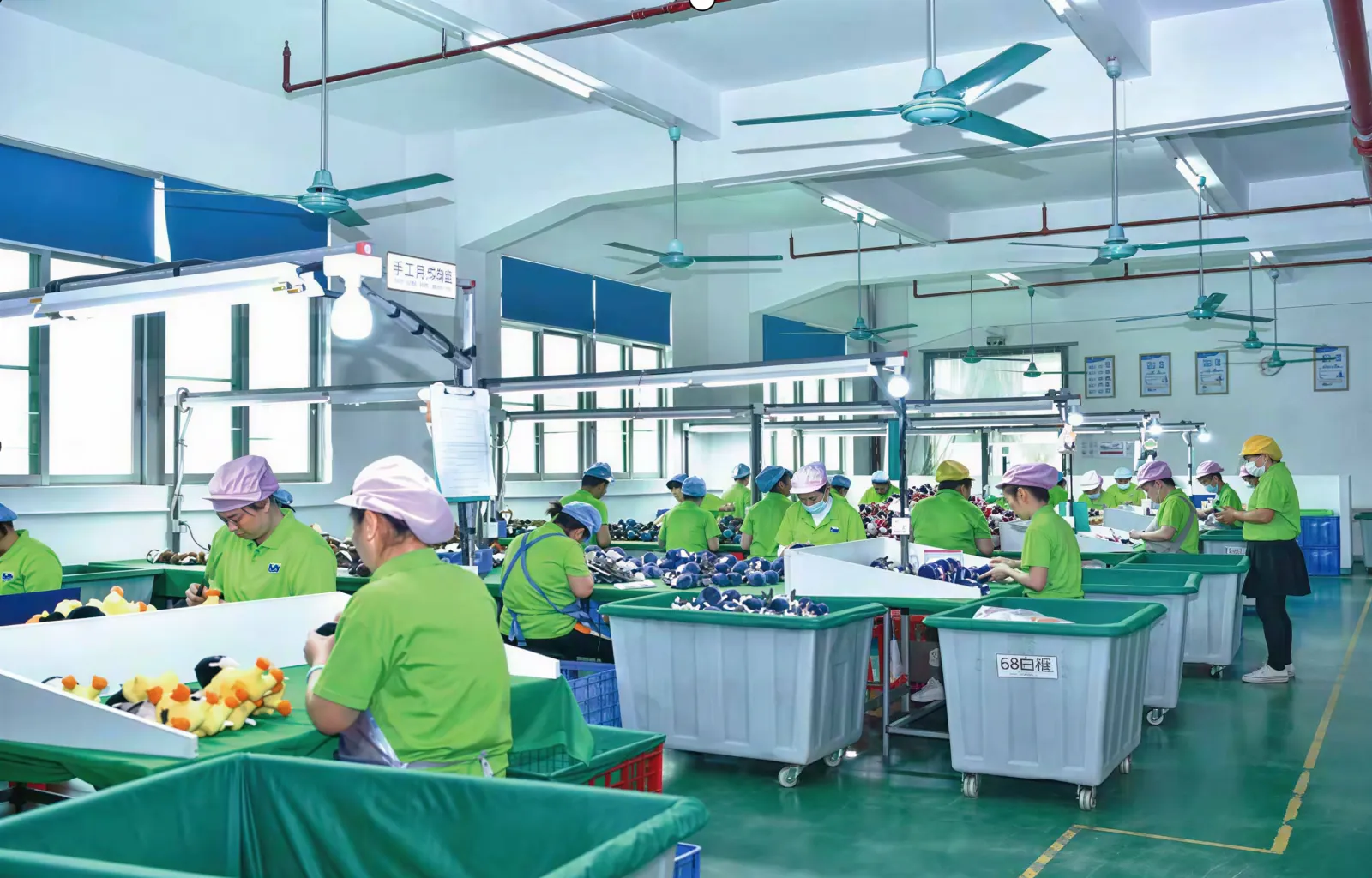
Production route & process
Confirm that the factory, material, decoration and production flow match the actual product category.
Review our production approach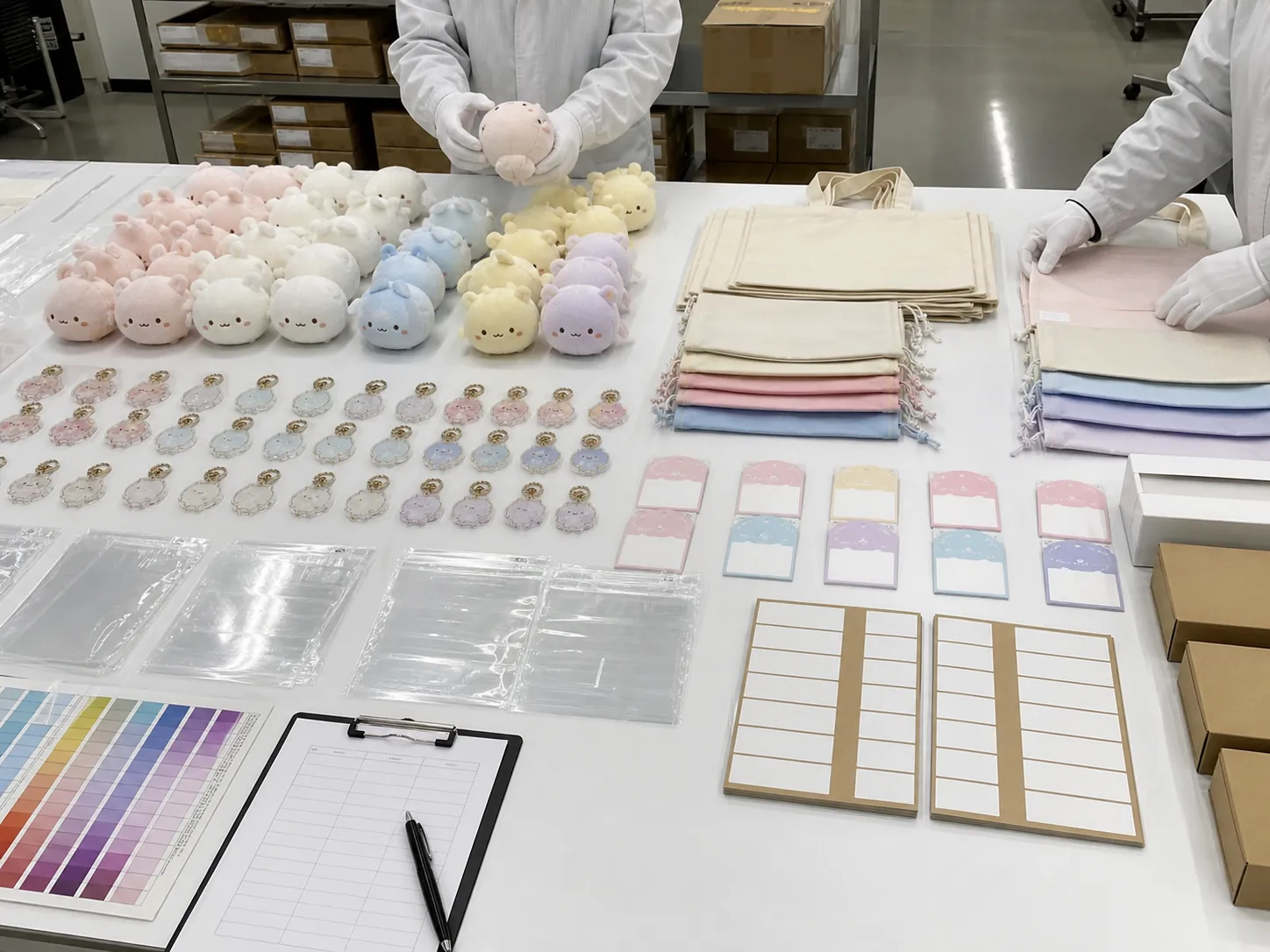
Approved sample & QC criteria
Align color, shape, decoration position, tolerances and packing with the approved pre-production references.
See the QC framework
Specification & file control
Control the current artwork, specification, SKU matrix, approval history and factory-sharing boundary.
Open the specification checklist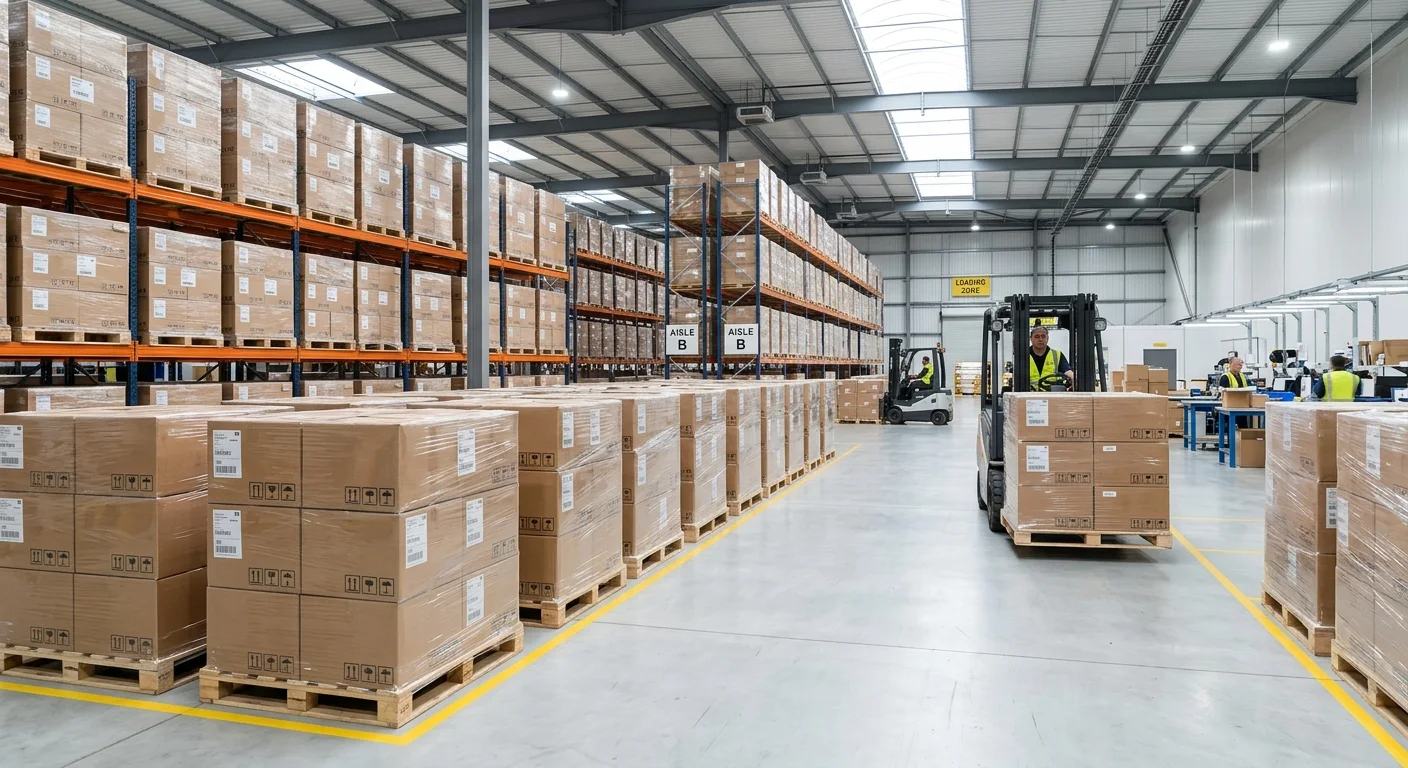
Packing, kitting & delivery
Define individual packs, inserts, barcodes, assortments, carton marks and split-delivery needs before quotation.
See the order processSix controls that turn a brief into a production plan
At each gate, define the information, approved reference and decision owner.
Structure the brief
Products, SKUs, quantities, channels and date
Define specifications
Materials, size, decoration, hardware and packing
Review prototypes
Record shape, color, function and revisions
Approve for production
Lock the specification and approved sample
Inspect and pack
Check, identify, assort and kit by instruction
Dispatch and deliver
Reconcile cartons, destinations and documents
Three common project models
These examples show the planning logic without identifying a specific client project.
Release-linked multi-SKU collection
Work backward from the launch date, set the artwork and sample cutoffs, and control every backing card, barcode and carton mark in one SKU matrix.
Discuss this project modelCapsule toy series
Confirm the item, OPP bag, folded insert and physical capsule fit first, then convert the SKU ratio and assembly sequence into packing instructions.
Discuss this project modelVenue-allocated merchandise
Define individual packing and venue quantities during quotation, then reconcile carton labels and dispatch records by delivery address.
Discuss this project model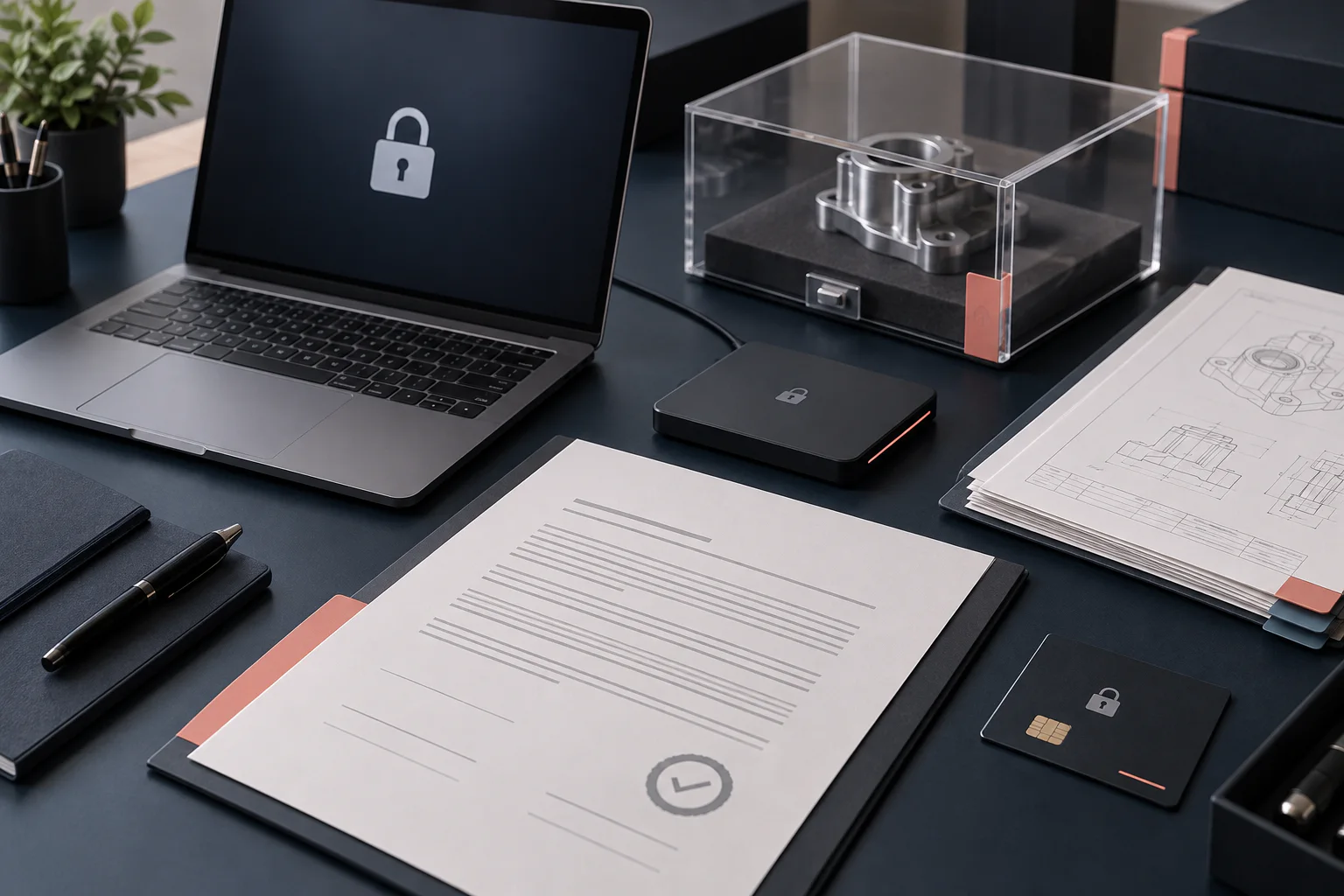 IP & NDA
Set the information boundary before unreleased work is shared
Define when an NDA is required, which files may be shared, who receives them at the factory, and how approvals and revisions are recorded.
- Discuss general feasibility without naming the unreleased title
- Use one current specification and approval record
- Define what factories and production partners may receive
- Agree how samples and production files are handled
Contract terms and data-handling methods are reviewed and operated according to the agreed project scope.
Check what is already known before requesting a quote
The brief does not have to be complete. Start with confirmed information and list the remaining decisions.
resolved during project review
Character merchandise manufacturing FAQ
Direct answers to the questions buyers should resolve before production.
Compare the manufacturer against the actual product categories, materials, SKU count, sample and approval process, inspection criteria, packaging scope and delivery destinations. A low unit price is not comparable if sampling, kitting, inspection or logistics are defined differently.
Yes, when each category has its own feasible specification, sample, MOQ, schedule and quality criteria within one master SKU plan. Artwork versions, packaging and quantities should be controlled by SKU before production.
Share the product list, artwork status, target size and materials, number of SKUs, quantity by SKU, packaging, destination, required in-hands date and any inspection or testing needs. Unknown items can be listed as decisions to resolve.
MOQ and schedule depend on the product, process, tooling, material, number of designs, packaging, inspection, approval speed and delivery plan. They are confirmed after the complete specification is reviewed; there is no responsible universal figure.
A date-led plan is possible after product feasibility, artwork freeze, sample approvals, production capacity, inspection and transport are mapped backward from the required in-hands date. Late revisions can change that plan.
Use approved artwork, color references, versioned specifications, physical samples and written approval gates. Acrylic, textile, metal and molded materials are reviewed separately because the same target color can reproduce differently.
These services can be planned when the bag or box, insert, label, SKU identity, assortment ratio, packing sequence and carton quantities are defined before quotation and confirmed before mass production.
Acceptance points are set by material, process and approved sample. The project can define appearance, dimensions, function, count, packaging and carton checks, plus the reporting or corrective-action records required.
General feasibility can be discussed without revealing an unreleased title. Before sensitive files are shared, the parties can agree the NDA timing, authorized recipients, factory disclosure boundary, file versions and approval records.
Turn the project conditions into the right manufacturing route
Send the product idea, SKU count, quantity range, packaging needs and required in-hands date.