OEM / ODM · Character stationery · Japan-ready delivery

Custom Stationery & Fancy Goods OEM

Mass production for character stationery and retail-ready fancy goods

For custom character stationery OEM, the first step is to decide the use case: retail sales, novelty campaigns, lottery prizes, fan events, or licensed IP merchandise. Then you can select the right categories such as clear files, stickers, memo pads, sticky notes, writing instruments, pencil pouches, and related accessories.

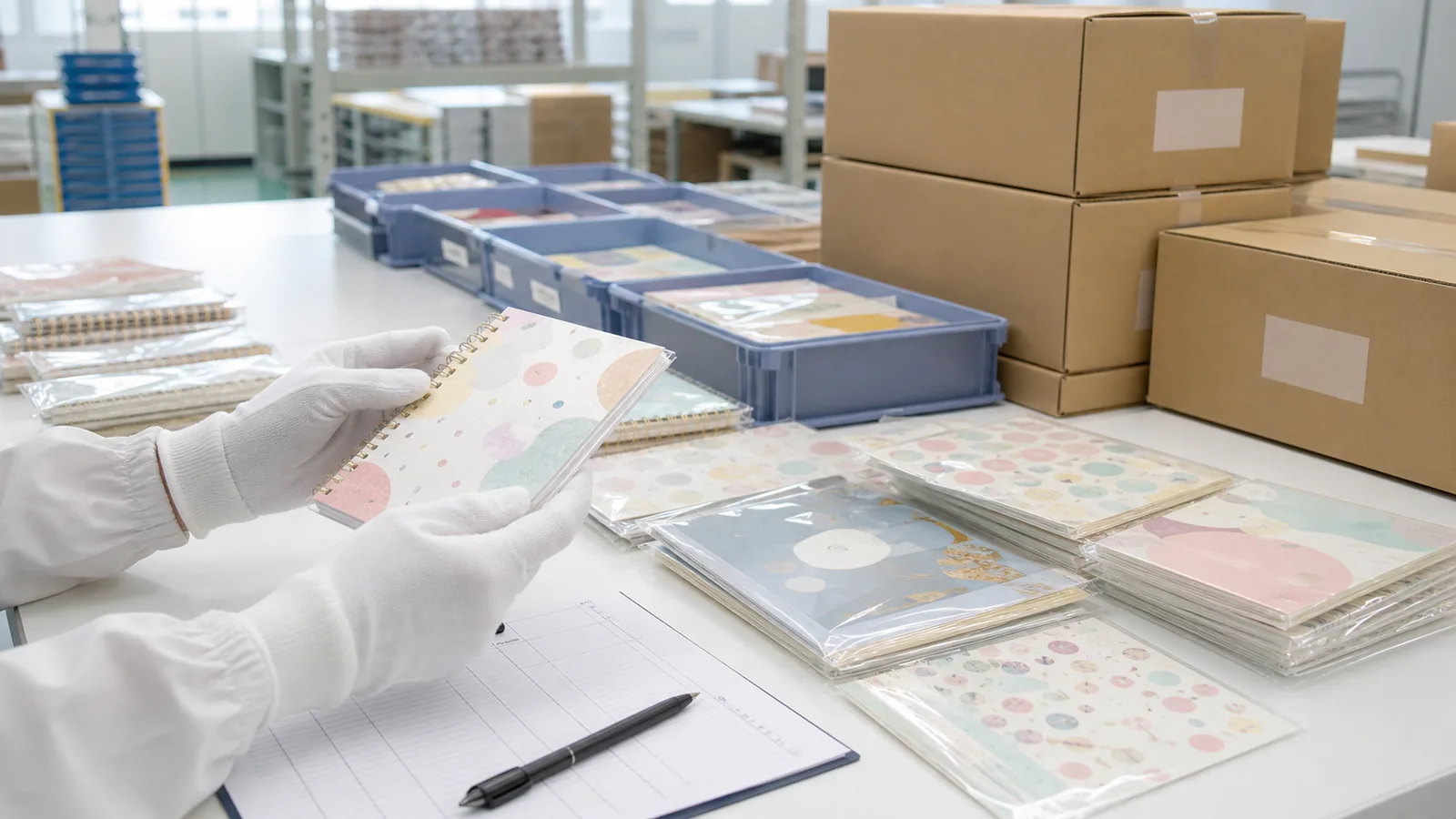
Before requesting a quotation, it is useful to organize quantity, SKU count, size, material, printing method, backing cards, OPP bags, JAN labels, inspection requirements, and delivery destination. CharacterCraftGift helps B2B buyers structure these details from category selection to packaging, inspection, and Japan-ready delivery.

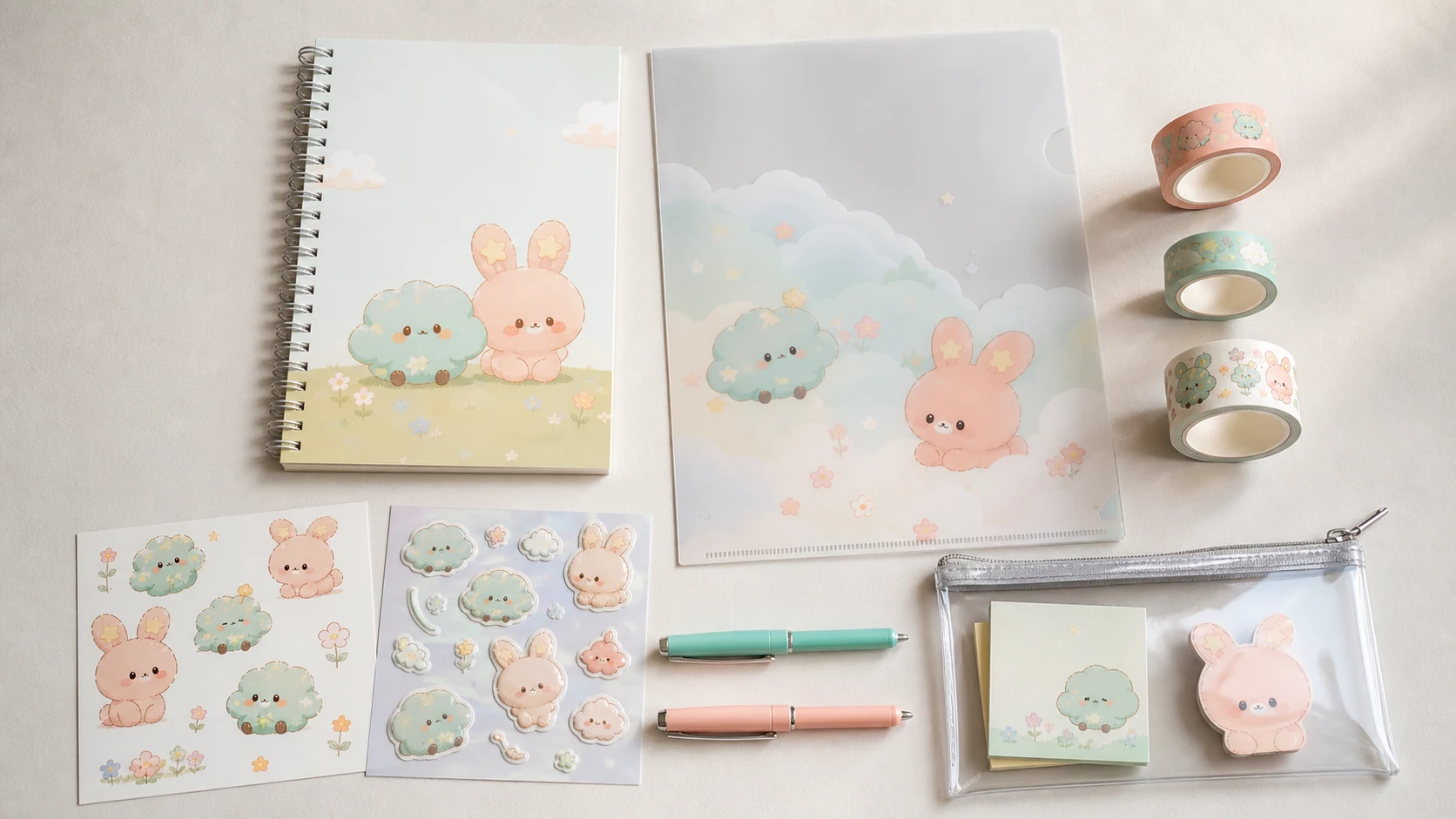
Original IP custom character stationery OEM flat lay collection

Category & SKU planning
Material, print & packaging
Inspection & Japan delivery

SEARCH INTENT

Which stationery category should you make?

In stationery and fancy goods OEM, judging by unit price alone can cause problems with sales channels and packaging conditions. Retail, event giveaway, lottery prize, novelty, and fan-goods projects can require different specifications even for the same sticker or memo pad.

Product categoryBest use casesMain specificationsInformation needed before quotation
StickersRetail small goods, lottery prizes, fan goodsPaper, PVC, epoxy, flakes, puffy finishSize, material, backing card, SKU count
Clear filesRetail sales, giveaways, school and event usePP, A4/A5, white ink, foil, individual baggingSize, quantity, print sides, packaging
Memo pads & notebooksStandard goods, novelty items, stationery setsCover, inner pages, binding, spiral, backing cardPage count, paper stock, print colors
Sticky notesNovelty goods, lightweight items, setsRoll, layered pad, backing card, die-cut shapeShape, sheet count, adhesive specification
Writing instrumentsPromotional gifts, retail items, setsBallpoint pen, mechanical pencil, pencil, charm optionLogo position, print colors, packaging
Washi masking tapePlanner, decoration, fan goods, retail storesWashi, PET, width, roll length, individual packagingWidth, length, label, winding specification
Pencil cases & pouchesStationery storage, school sets, retail setsPVC, fabric, transparent material, zipperSize, material, print method, accessories
Acrylic clipsNotebook accessories, fan goodsAcrylic, clip hardware, printing, backing cardThickness, shape, printing, backing card
CATEGORY MAP

Main custom stationery and fancy goods categories

This parent category page maps the core stationery OEM categories. High-demand categories such as stickers can later become child pages with deeper specifications, packaging, inspection, and defect-prevention content.

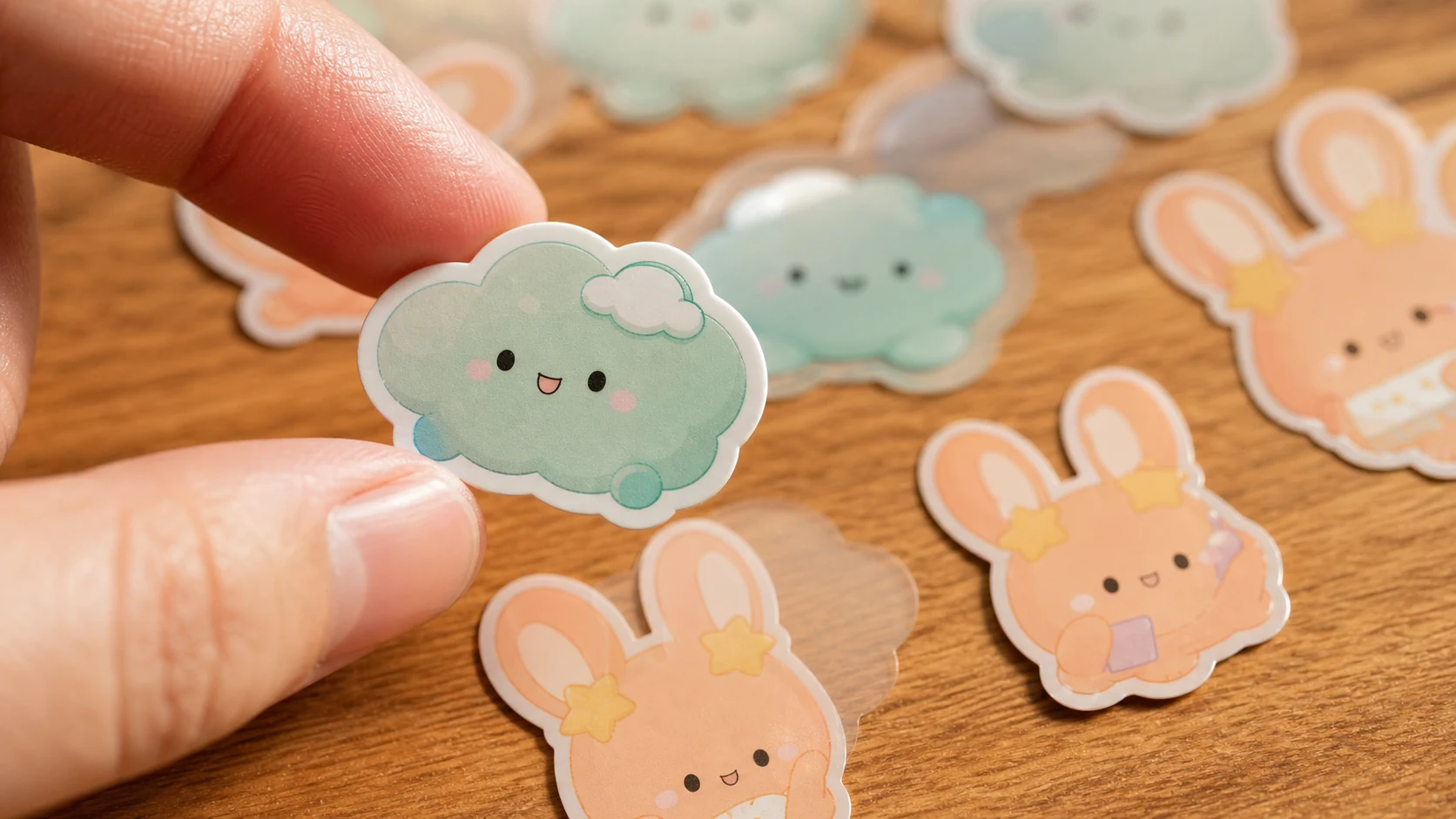
Sticker OEM material and size check

Sticker OEM

Sticker OEM

Stickers are one of the easiest categories to expand inside character stationery OEM. Paper stickers, transparent stickers, flake stickers, puffy stickers, epoxy domes, tile-style, stone-style, and capsule-style effects create different price levels and retail impressions. This parent page works as the category entrance; detailed backing cards, OPP bags, JAN labels, inspection, and defect prevention can be expanded into a dedicated sticker page.

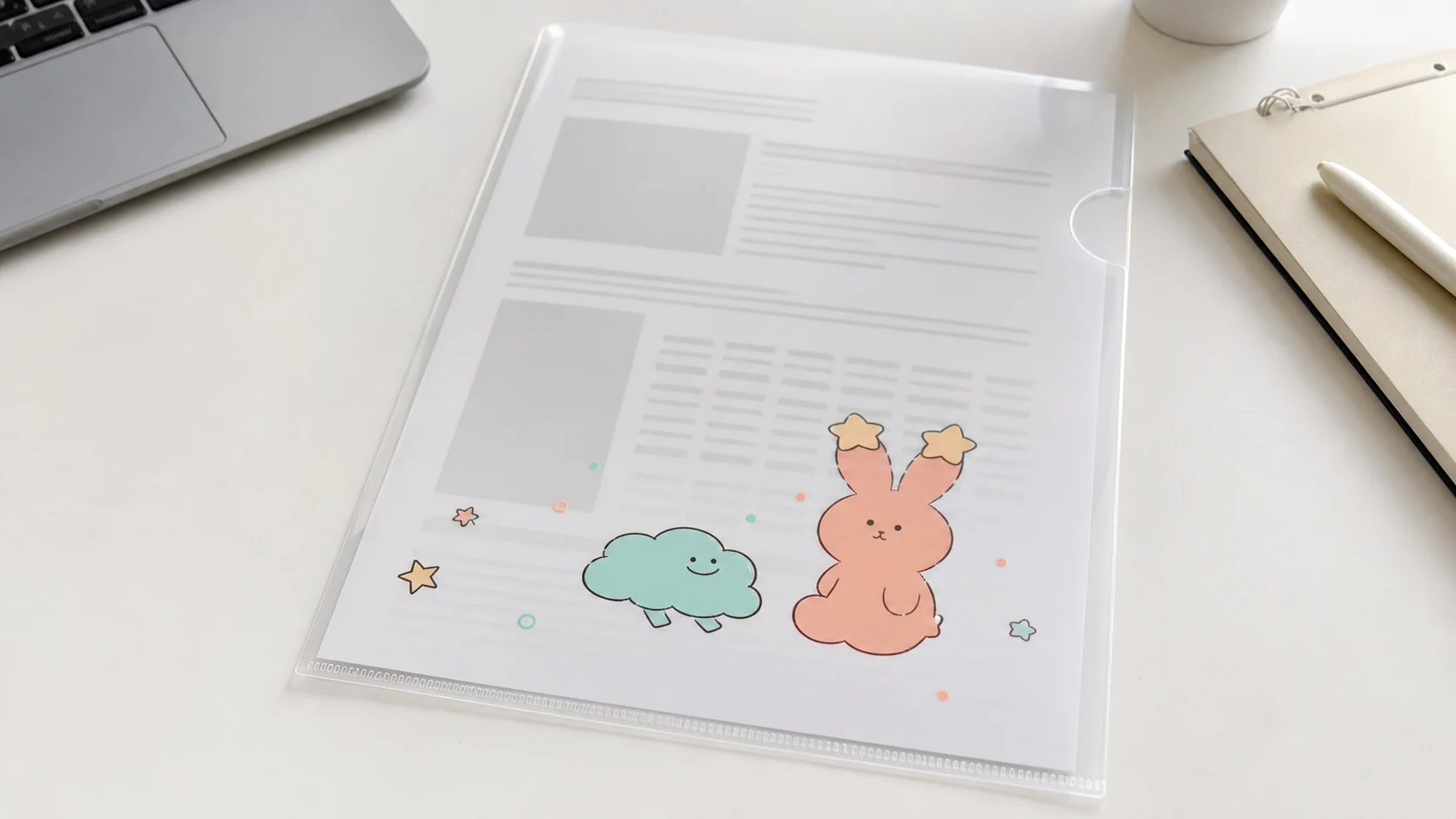
PP clear file OEM translucent material check

Clear File OEM

Clear File OEM

Clear files are standard stationery goods for anime, game, corporate character, school, and event distribution. A4, A5, ticket-size, and multi-function files should be selected according to the actual sales or giveaway scenario. White ink, transparency, foil stamping, individual packaging, and JAN label requirements should be decided early.

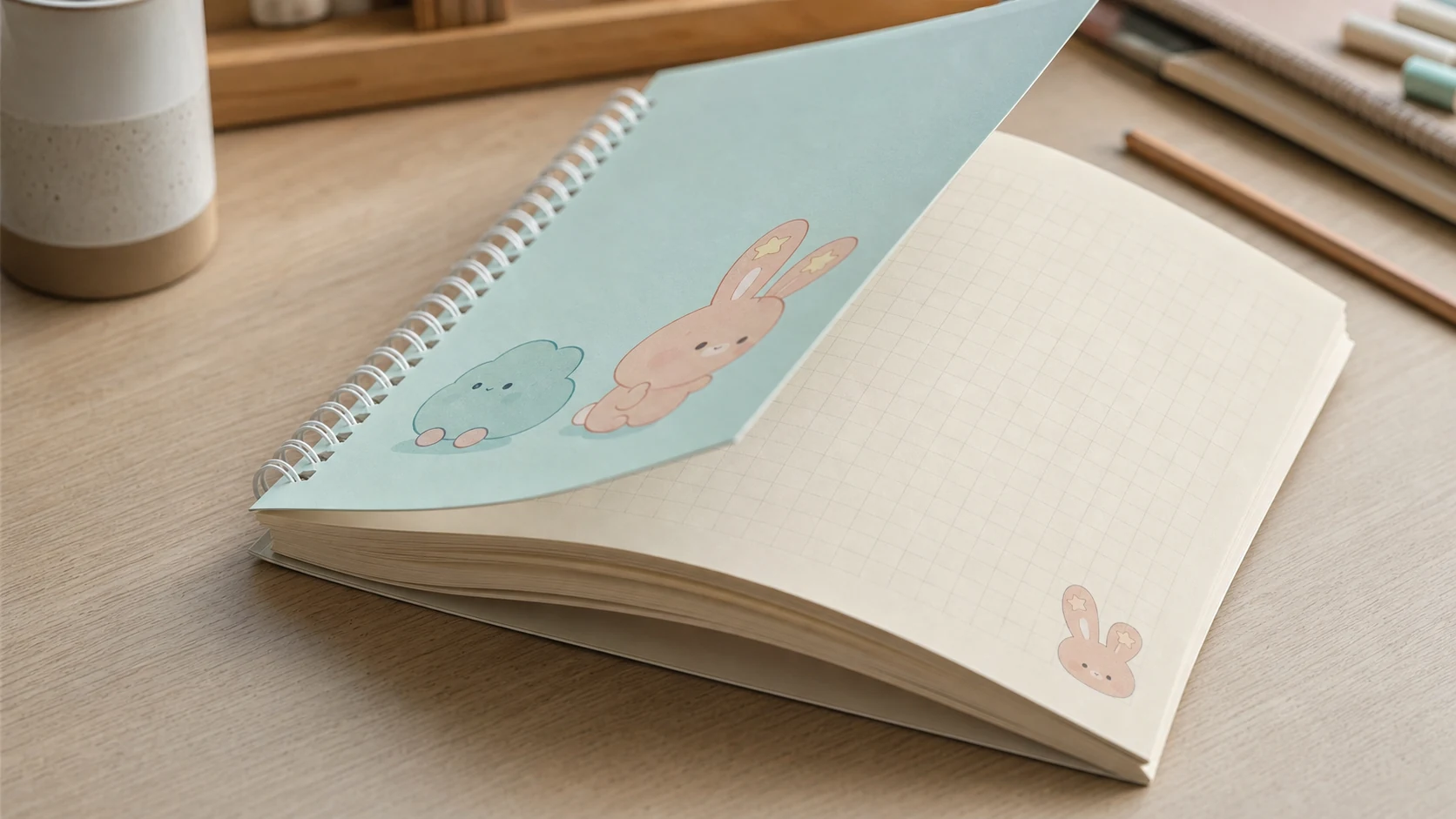
Notebook and memo pad OEM paper and binding check

Memo Pad & Notebook OEM

Memo Pad & Notebook OEM

Memo pads and notebooks vary by cover artwork, inner-page design, page count, paper stock, and binding. Character worlds can be extended beyond the cover into inner pages, belly bands, and backing cards, which makes this category suitable for series goods. Packaging and inspection standards differ for novelty goods, retail goods, and lottery prizes.

Sticky note OEM shape and adhesive check

Sticky Note OEM

Sticky Note OEM

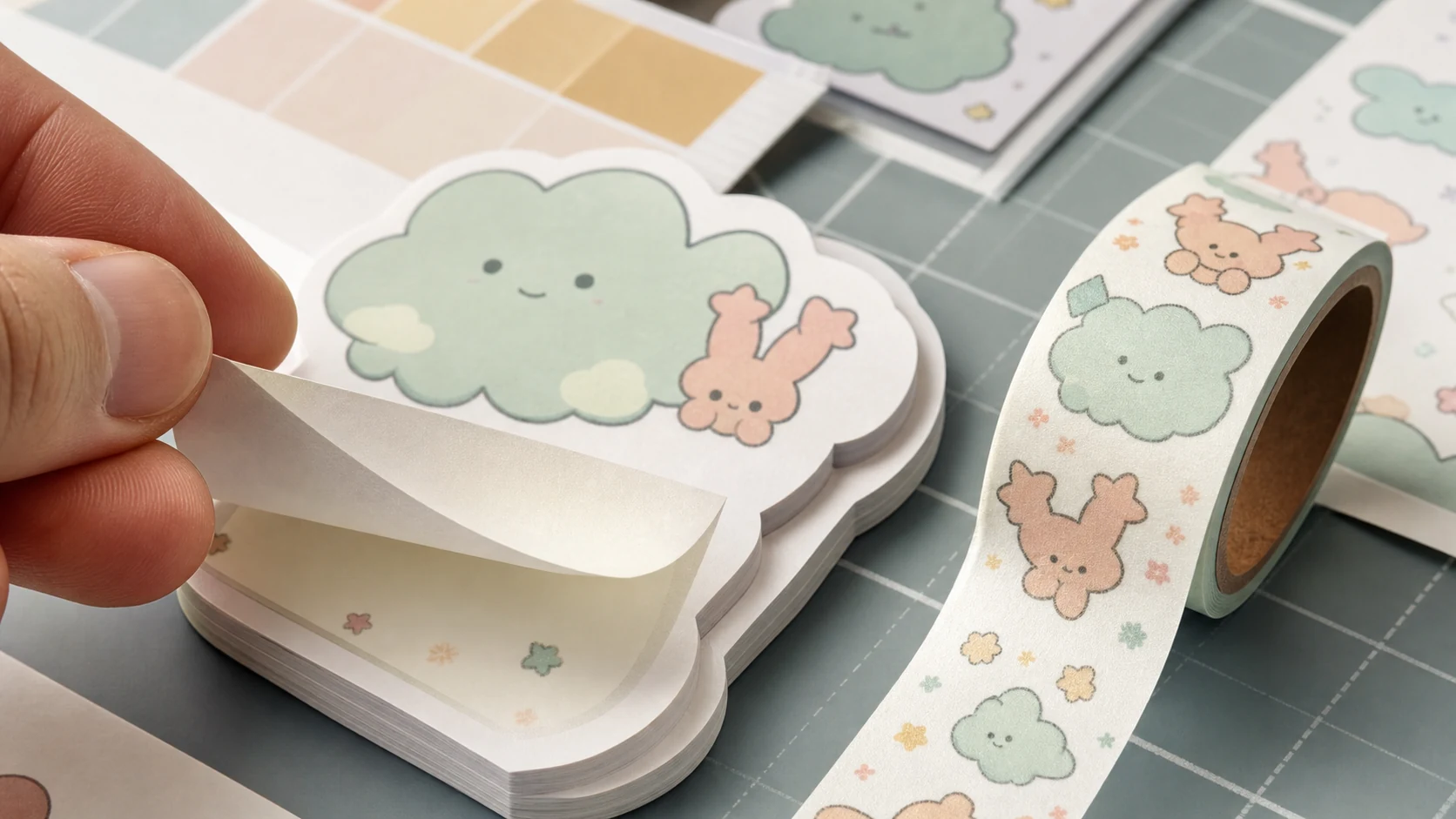
Sticky notes are lightweight and easy to combine into stationery sets or novelty campaigns. Standard sticky notes, roll sticky notes, layered pads, and backing-card styles can be chosen based on use and retail appearance. Adhesive specification, sheet count, backing card size, OPP packaging, and labels should be checked early.

Writing instrument OEM barrel printing and material check

Ballpoint Pen & Writing Instrument OEM

Ballpoint Pen & Writing Instrument OEM

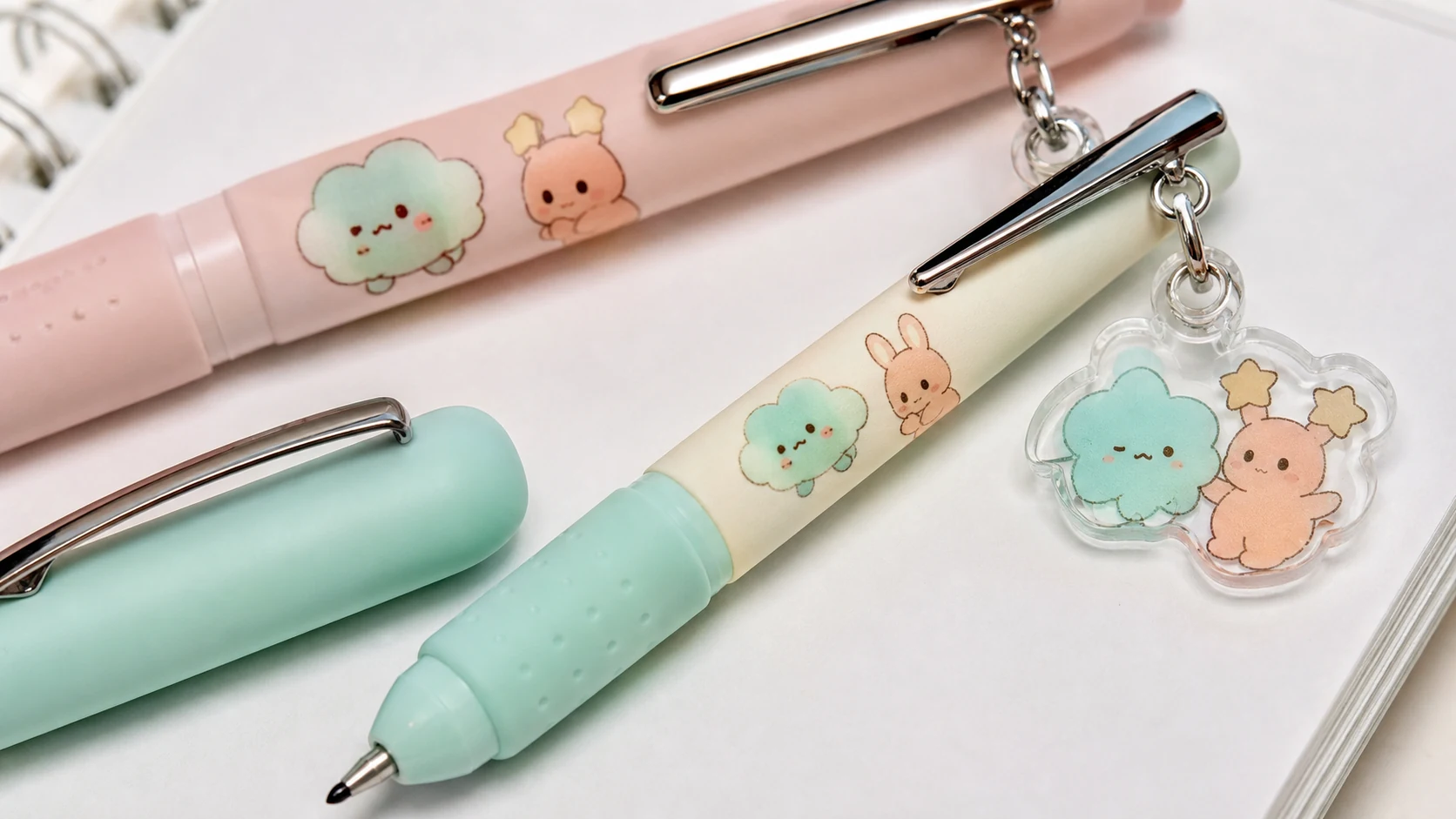
Ballpoint pens, mechanical pencils, pencils, and colored pencils are practical items for both novelty campaigns and retail sales. Character value can be added through barrel design, clip area printing, charms, and backing-card sets. Barrel color, print area, ink color, and set packaging should be confirmed.

Washi masking tape OEM width and paper texture check

Washi Masking Tape OEM

Washi Masking Tape OEM

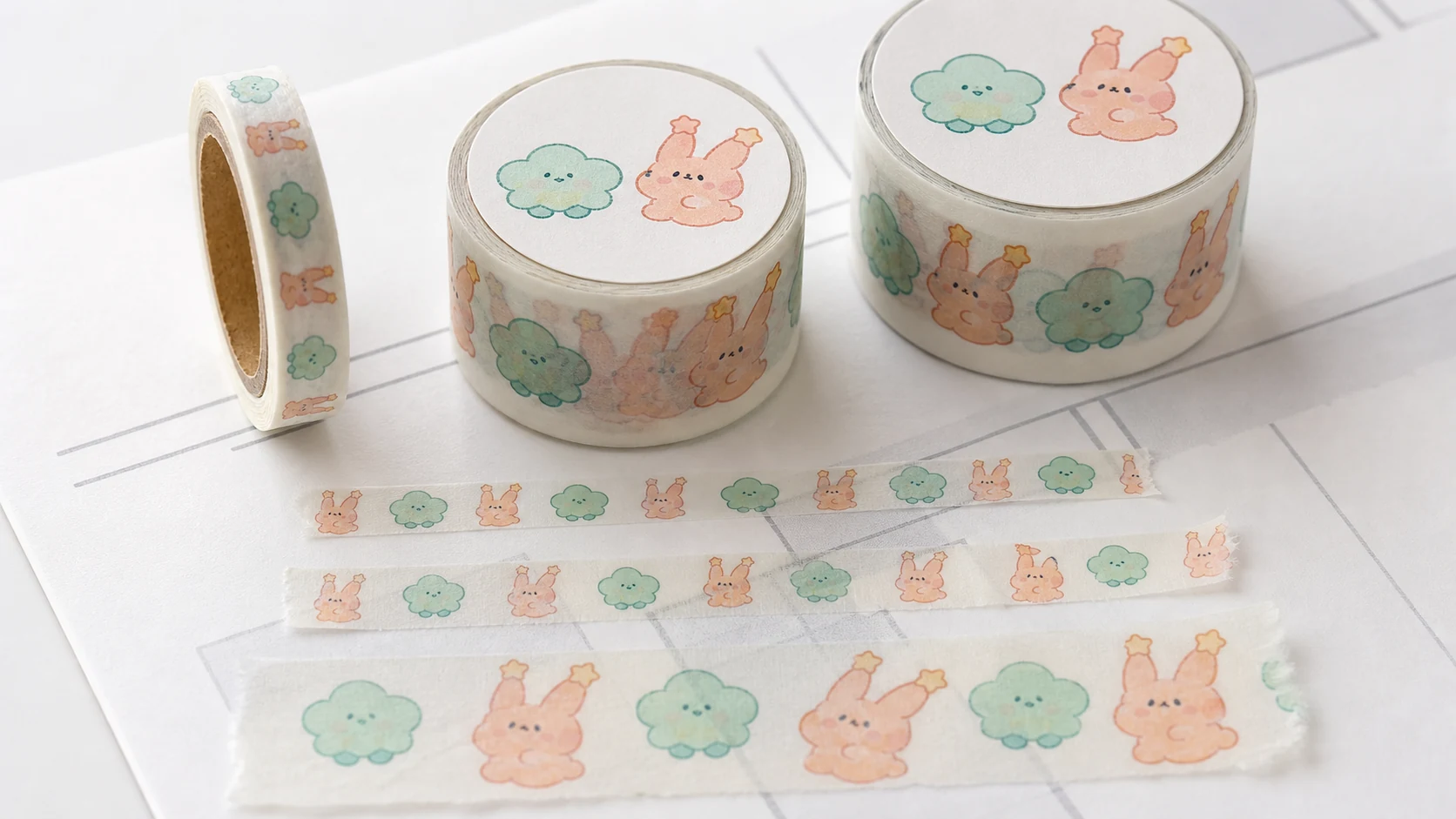
Washi masking tape works well for planners, decoration, fan goods, and retail stationery shops. Material, transparency, width, roll length, labels, and individual packaging affect the quotation. For series expansion, repeat patterns, SKU count, and packaging consistency should also be checked.

Transparent PVC pencil pouch OEM zipper and stitching check

Pencil Case & Pencil Pouch OEM

Pencil Case & Pencil Pouch OEM

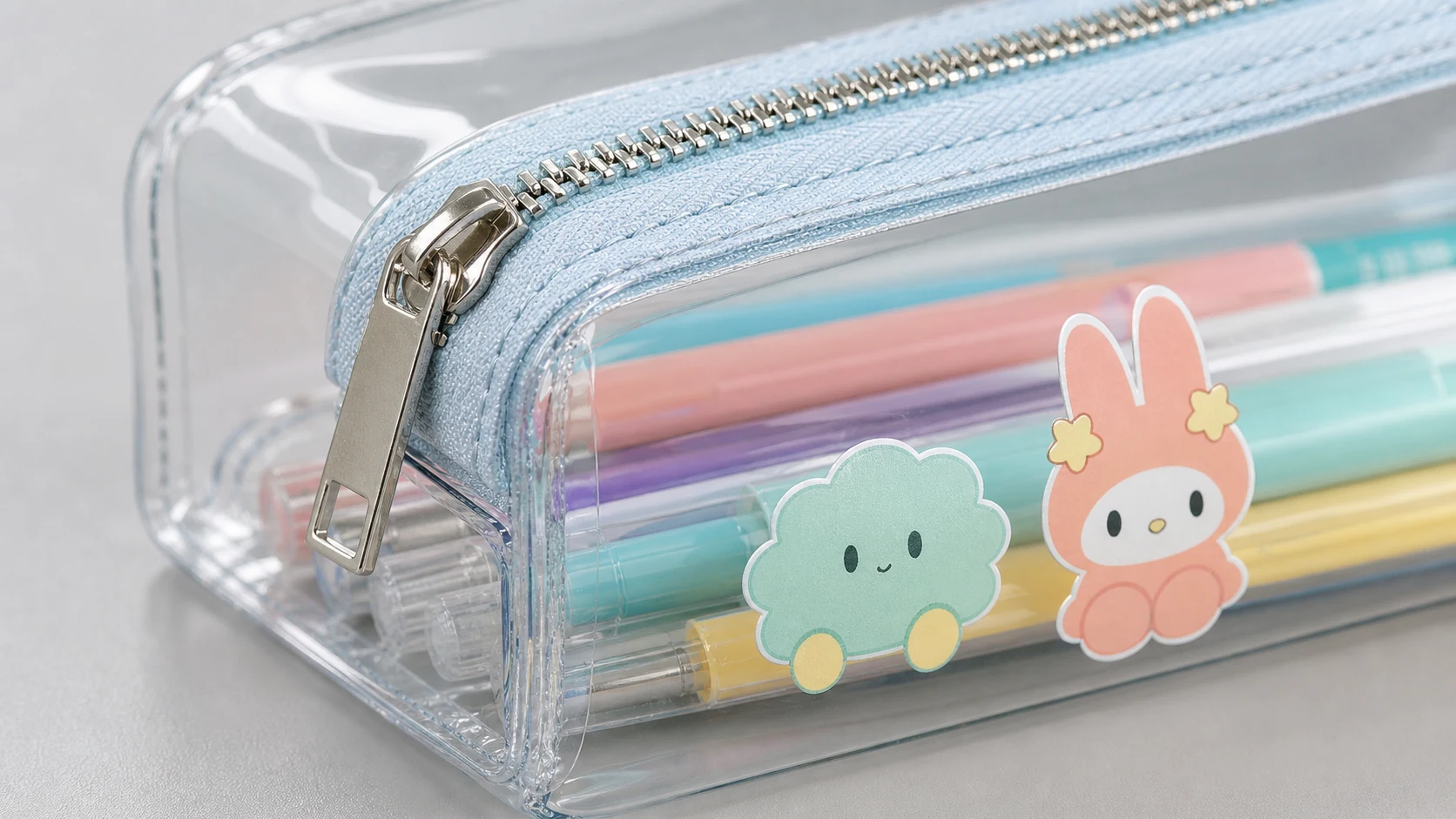
Pencil cases and pouches are useful storage items for school sets and stationery collections. Transparent PVC, fabric, synthetic leather, and mesh each affect printing, stitching, accessory parts, and inspection points. Larger pouches and bags should be handled in a separate category; this page focuses on stationery storage.

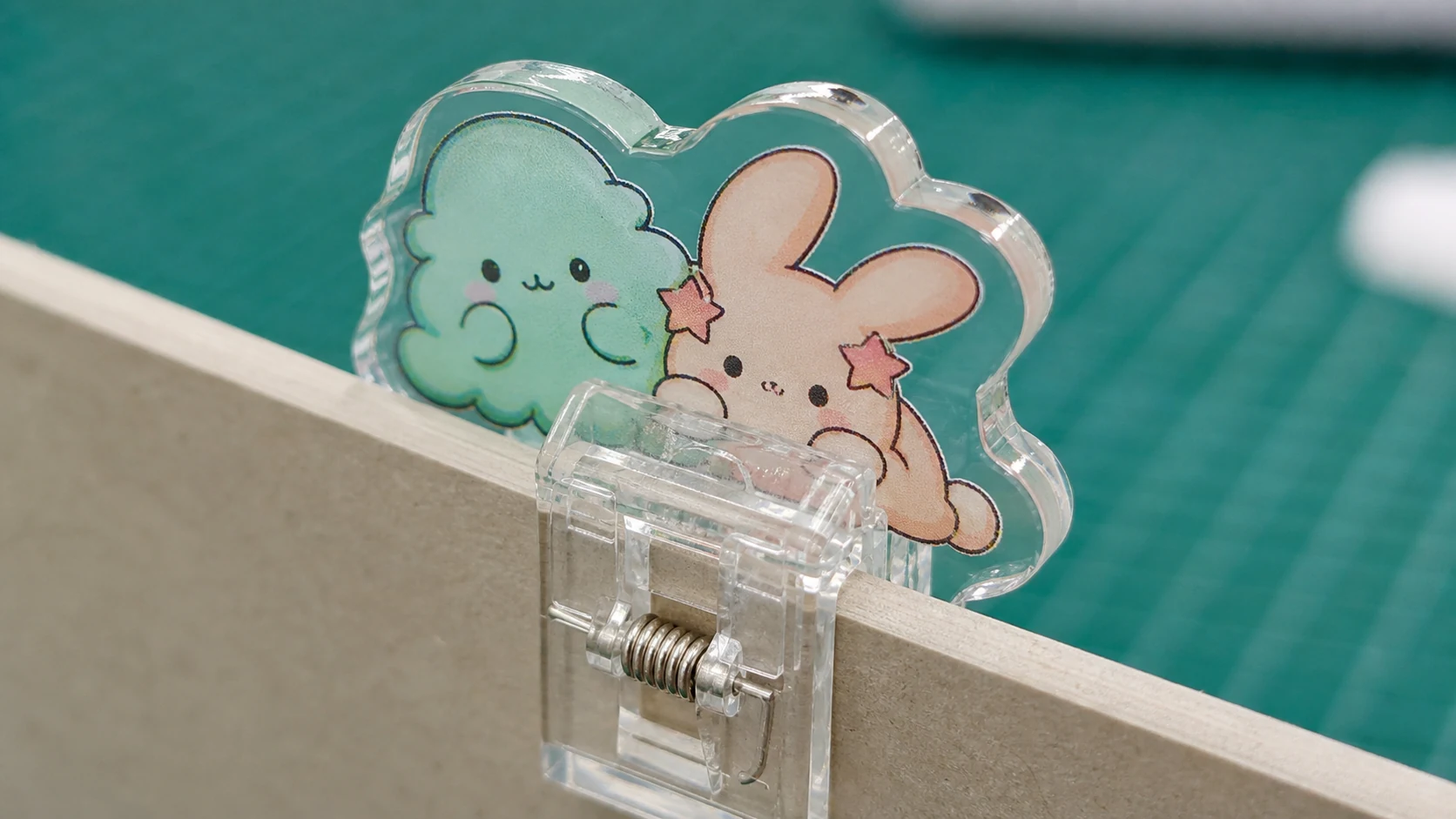
Acrylic clip OEM edge and print check

Acrylic Clip & Stationery Accessory OEM

Acrylic Clip & Stationery Accessory OEM

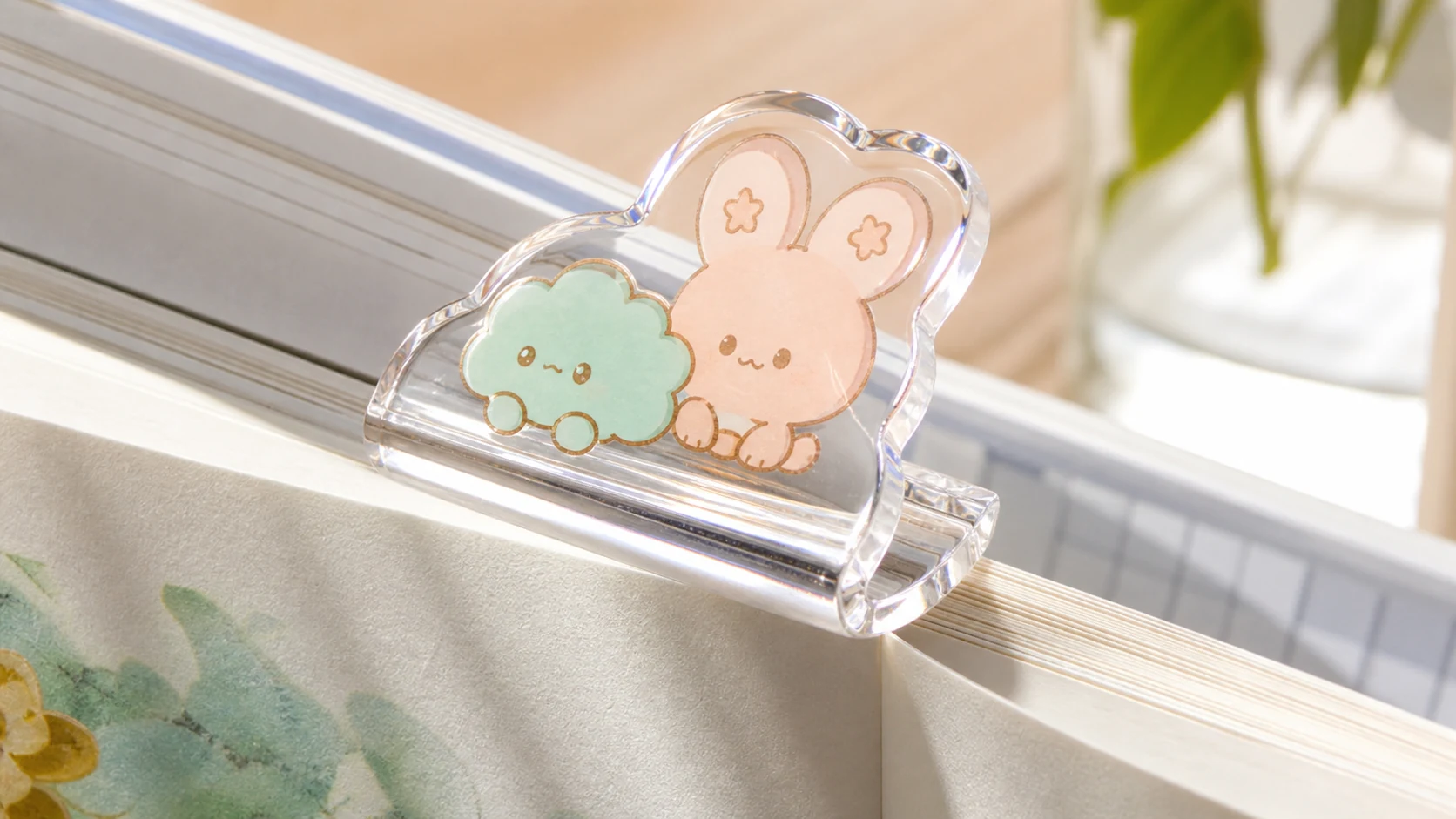
Acrylic clips, bookmarks, magnetic bookmarks, rulers, and desk mats can be sold in stationery and character goods channels. They work as single products or as add-ons to notebooks and memo pads. Acrylic stands and large acrylic keychains should be handled separately; this page focuses on stationery accessories.

REAL USE CHECK

What to check in each category

Each stationery category has different checks for material texture, thickness, transparency, adhesive strength, stitching, printing position, and packaging. Realistic product scenes make these B2B specification points easier to review.

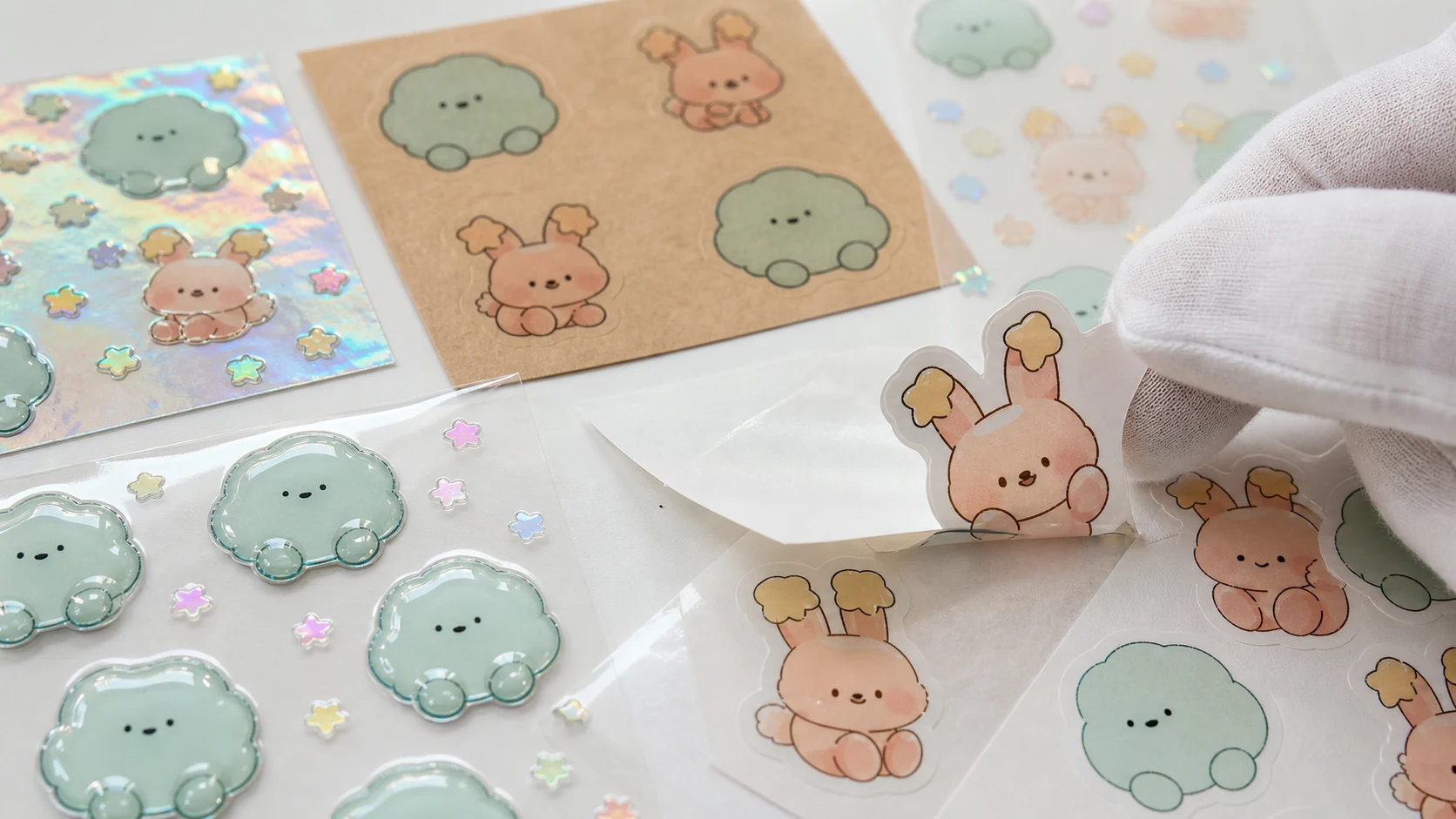
Die-cut sticker OEM real-use scene

Sticker OEM

Die-cut character stickers are shown on a warm wood table with one sticker lifted by fingers. This scene helps check cut-edge accuracy, material thickness, adhesive backing, surface gloss, and backing-paper peelability.

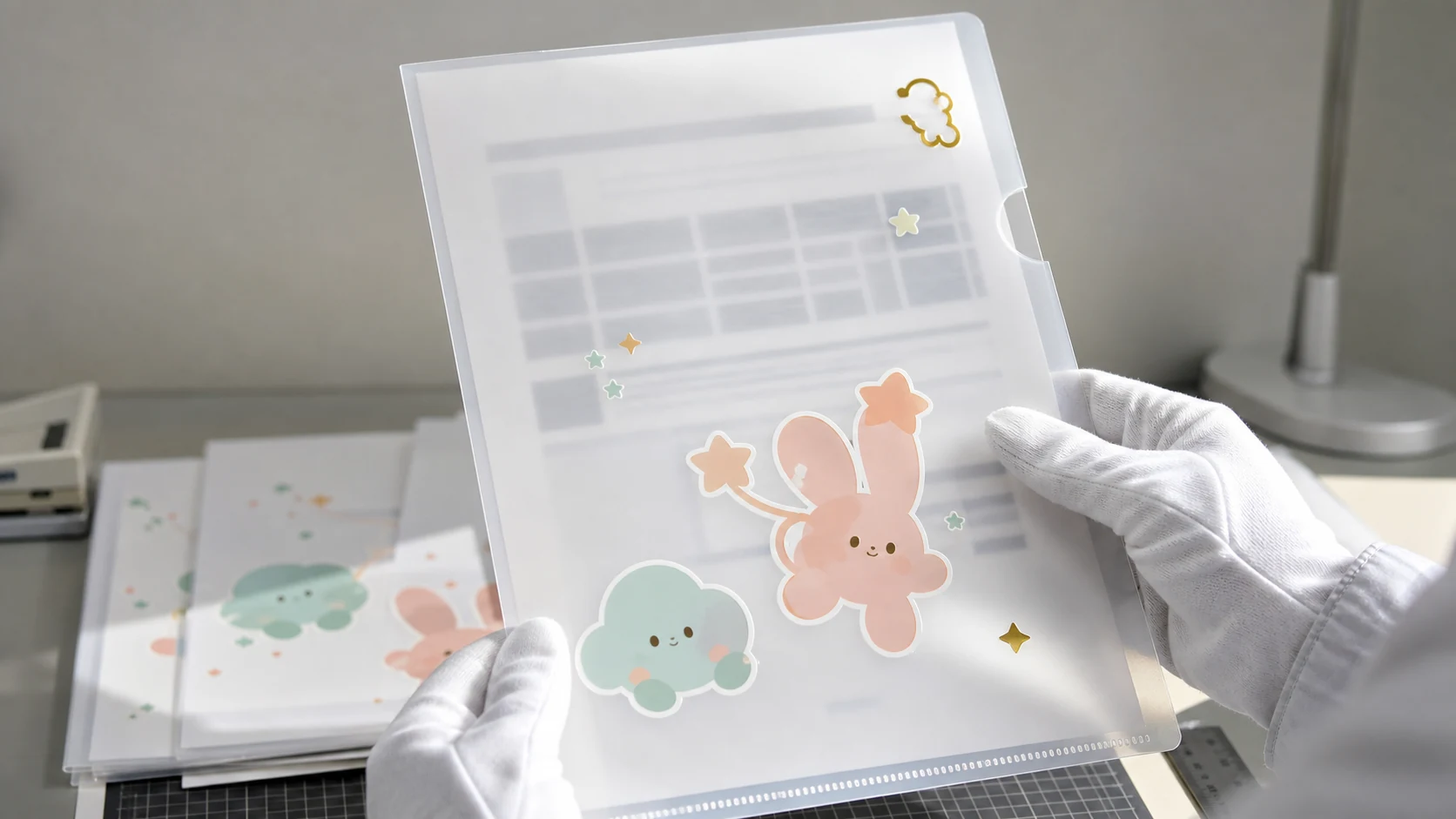
Clear file OEM with inserted documents real-use scene

Clear File OEM

A printed PP clear file contains real documents and shows natural indoor reflections. It helps check translucency, white ink, welded seams, cover printing, and the way paper appears through plastic.

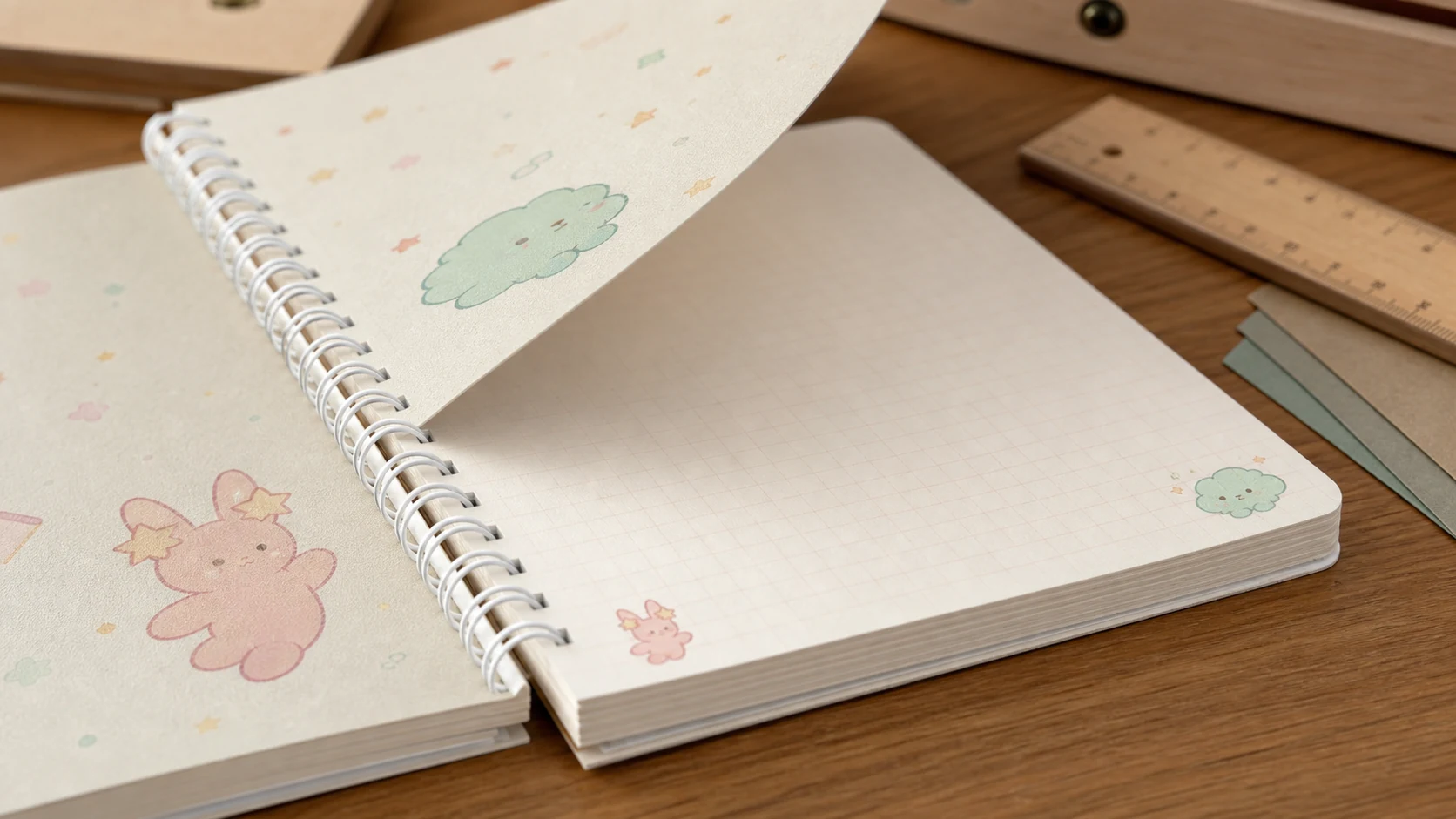
Half-open notebook OEM paper texture scene

Notebook OEM

A spiral notebook is half open on a desk, showing paper fiber, metal coil texture, and natural paper curvature. It helps confirm cover stock, inner-page printing, binding, and page handling.

Sticky note OEM adhesive and paper curl scene

Sticky Note OEM

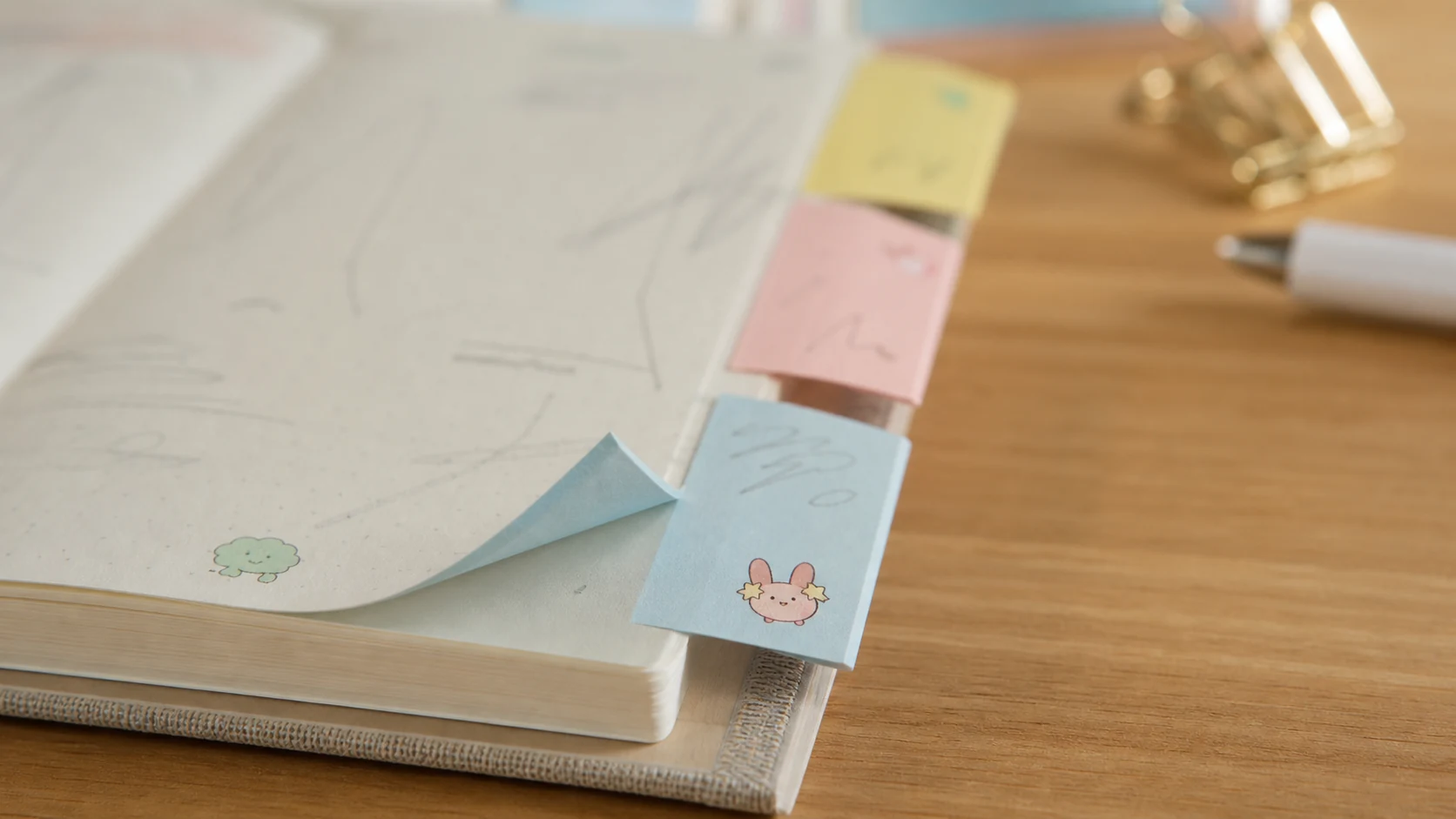
Sticky notes attached to a planner show adhesive lift, curled corners, and paper texture. This helps check adhesive strength, writing feel, backing options, and set packaging.

Gel pen OEM logo printing and grip texture scene

Writing Instrument OEM

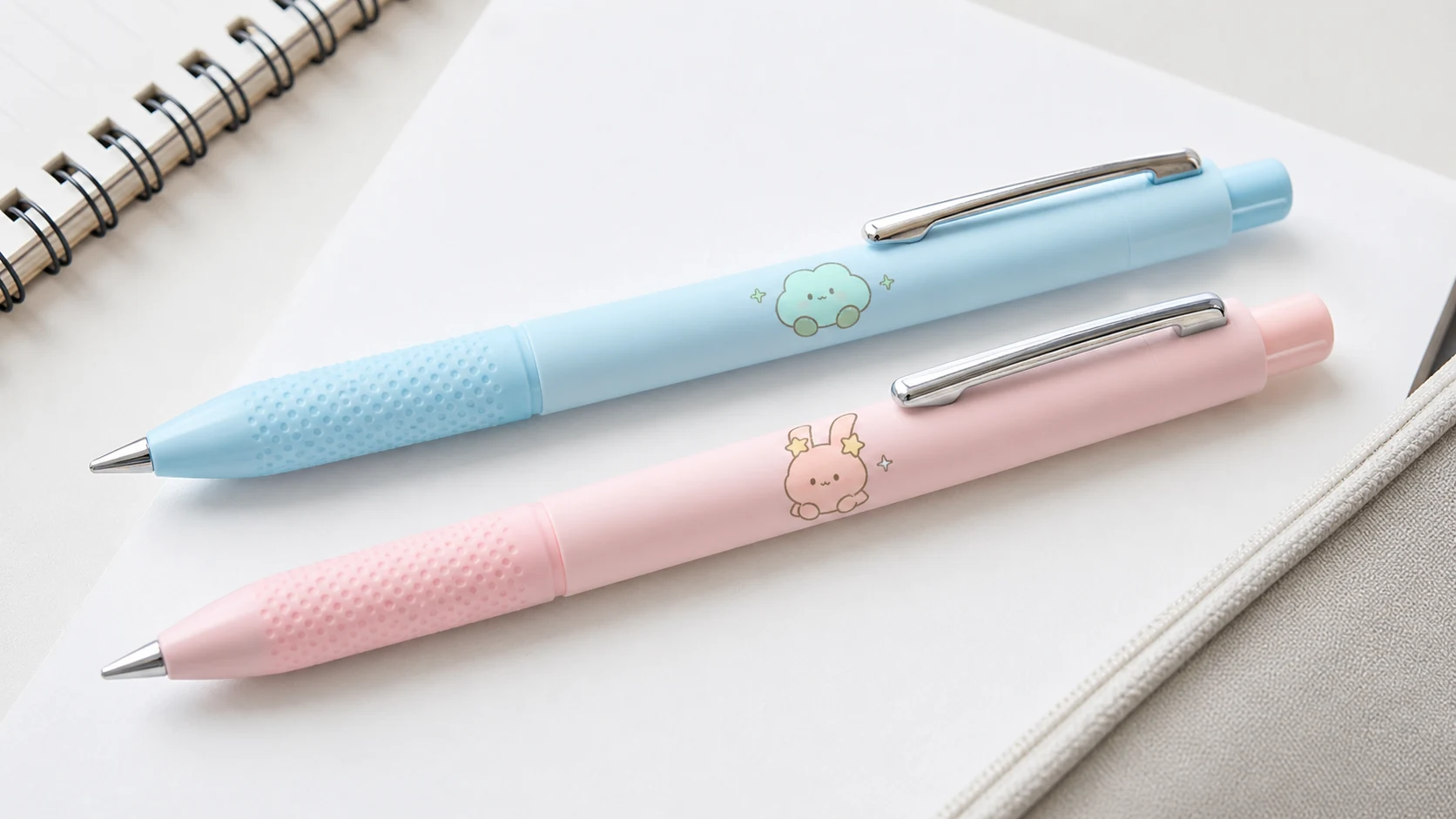
Gel pens placed beside stationery show logo printing on the barrel, grip texture, metal clips, ink color, and product color combinations.

Washi tape OEM paper fiber and tear scene

Washi Tape OEM

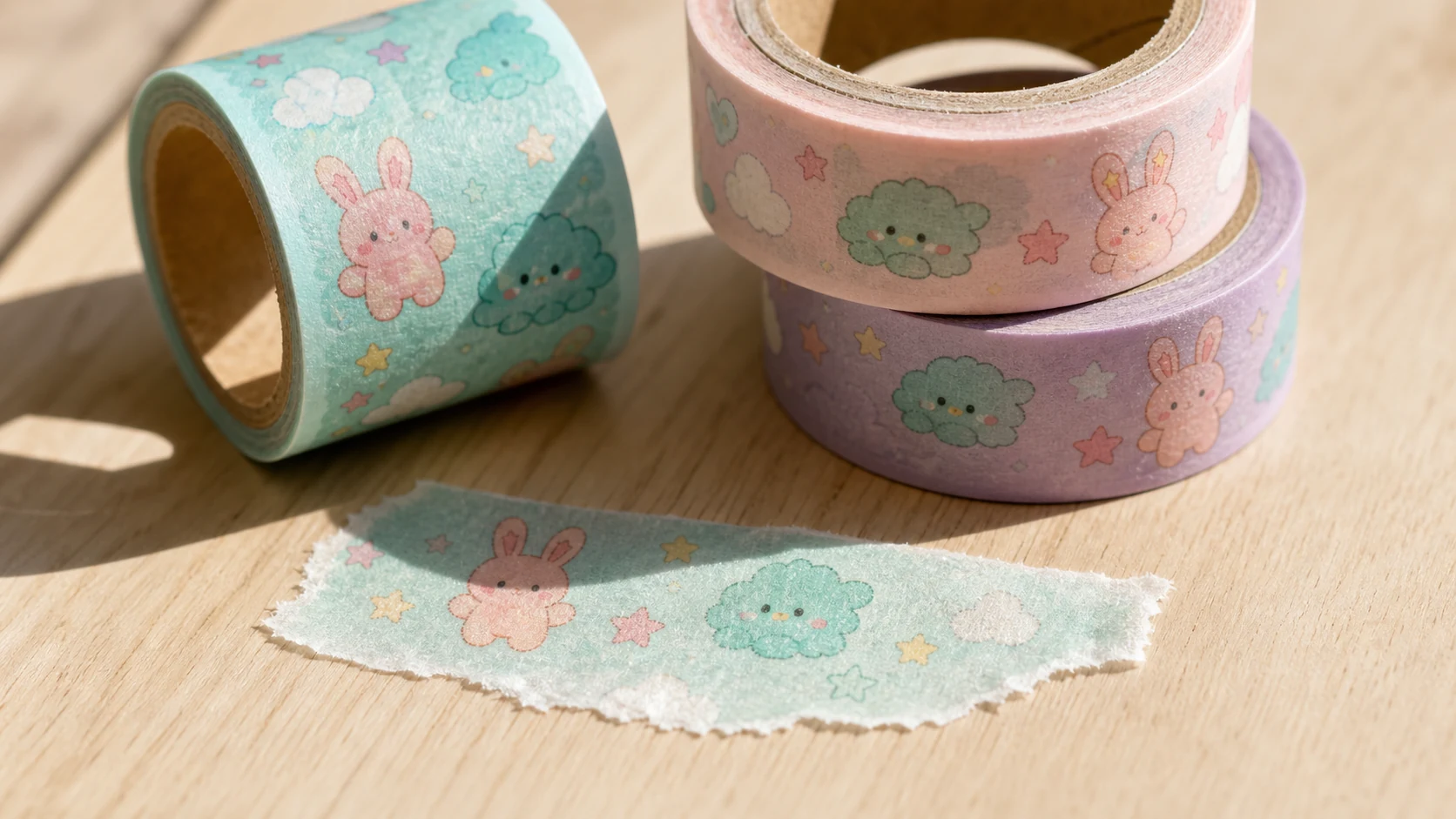
Torn washi tape on a table shows semi-transparency, paper fiber, torn edges, and repeat patterns. It also supports checks for width, roll length, top labels, and individual packaging.

Transparent PVC pencil pouch OEM real-use scene

Pencil Pouch OEM

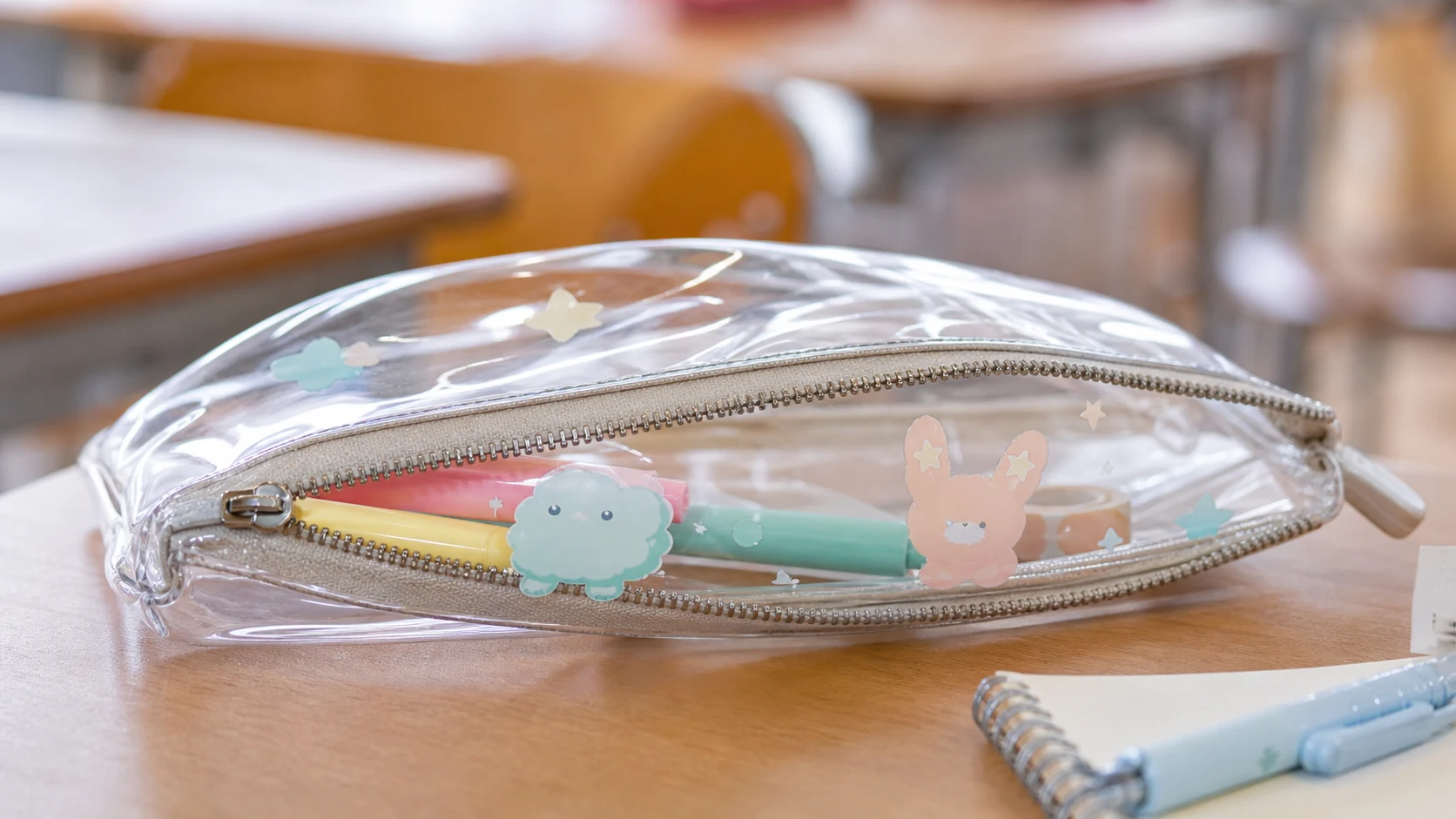
A transparent PVC pencil pouch with the zipper half open shows clear PVC, natural wrinkles, stitching, zipper quality, and how inserted pens look through the material.

Acrylic clip OEM holding notebook pages real-use scene

Acrylic Clip OEM

An acrylic clip holding notebook pages shows polished edges, thickness, light refraction, back-side printing depth, and the holding function of the clip.

ECO MATERIAL

Eco-conscious material options

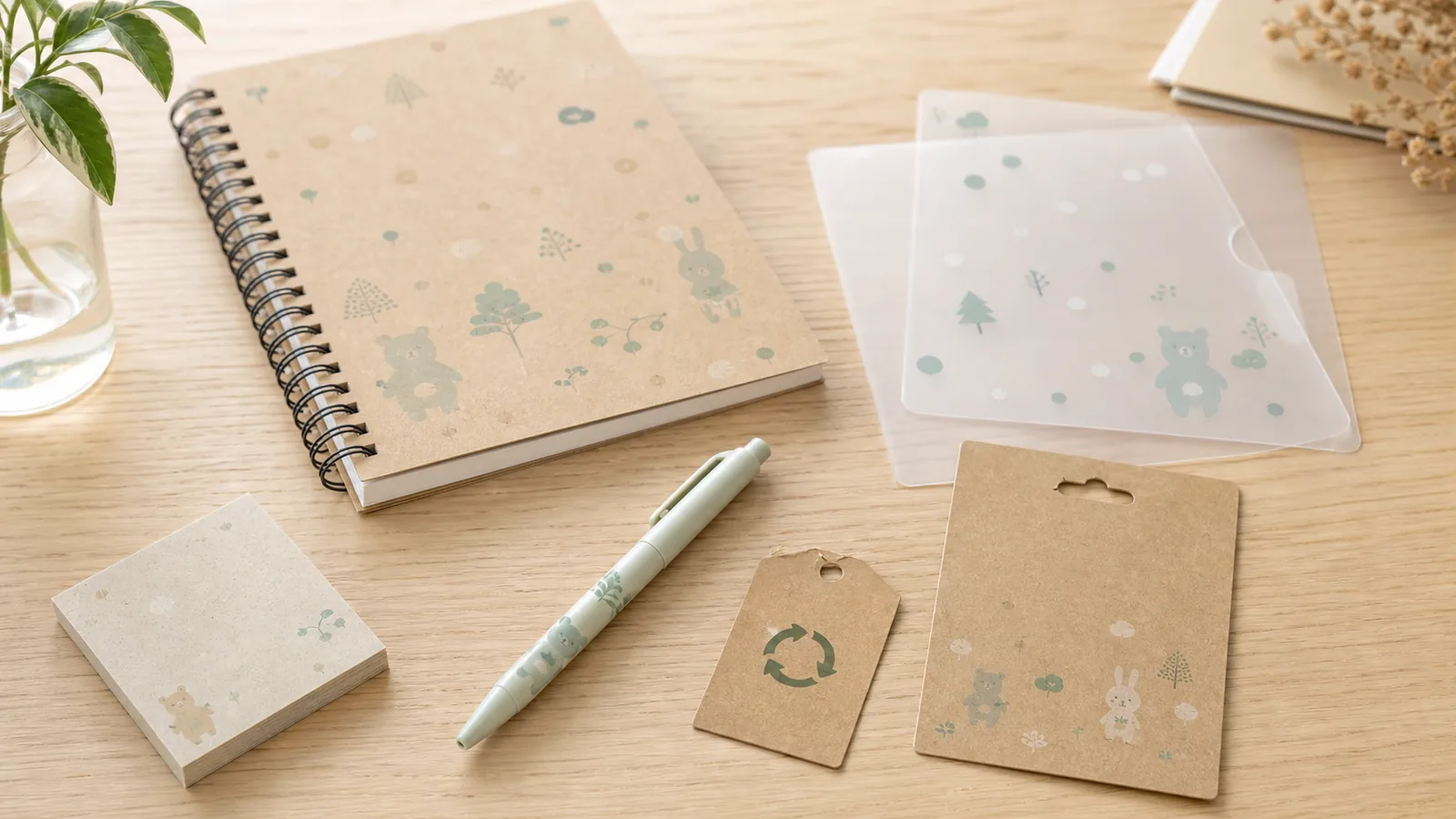
For corporate novelty goods and retail stationery, buyers often ask about eco-conscious materials. Recycled paper, recycled PET, plant-based plastics, paper backing cards, and simplified packaging depend on category, quantity, and print conditions.

Eco-conscious material options for stationery OEM
Check recycled paper, recycled PET, paper backing cards, and simplified packaging by category.

Main check points

  • Recycled paper and kraft paper: useful for notebooks, memo pads, backing cards, and packaging.
  • Recycled PET and recycled PP: sometimes considered for clear files and selected formed products.
  • Plant-based or biodegradable materials: feasibility must be checked for packaging and molded parts.
  • If official certification or environmental claims are required, certificate scope and labeling rules must be confirmed first.

Note: FSC, PEFC, RoHS, REACH, ISO, and similar certification names should be used only when the certificate and applicable scope can be confirmed. We do not make unverified certification claims on the page.

SKU PLANNING

How to plan multiple SKUs and stationery sets

For stationery and fancy goods OEM, a series plan can communicate the product concept better than a single item.

Character-by-character expansion

Stickers, memo pads, and clear files can be expanded by character to create a clear retail series.

Event merchandise and lottery prizes

Stationery sets can be used for event merchandise, and SKU levels can be separated for higher and lower lottery prizes.

Shared packaging and delivery rules

Shared JAN labels, backing cards, OPP bags, and carton labels help control quotation, inspection, assortment, and split delivery.

MATERIAL & PRINT

Material, printing, and processing checks

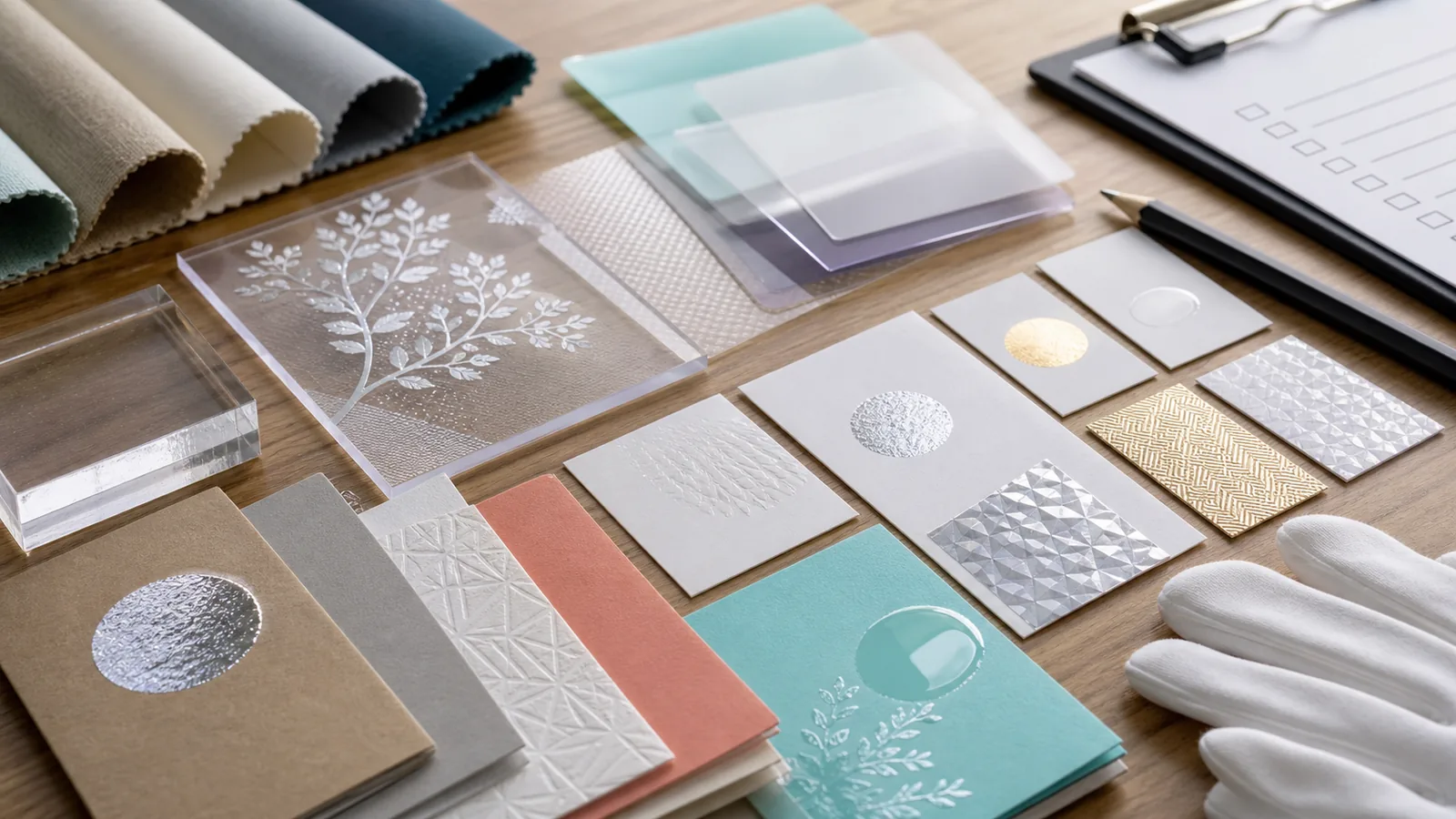
Stationery OEM uses paper, PP, PET, PVC, washi paper, acrylic, fabric, and other materials depending on the category. Durability, transparency, thickness, adhesive behavior, bending risk, shipping scratches, and retail appearance should all be checked.

Material, printing, and processing checks for stationery OEM
Material, print method, and processing affect mass-production feasibility and cost.
  • Materials: paper, fine paper, coated paper, PP, PET, PVC, washi paper, acrylic, fabric
  • Printing: offset, UV, inkjet, silk screen, pad printing, foil, white ink
  • Processing: die-cutting, embossing, lamination, Thomson cutting, welding, spiral binding
  • Outer packaging: backing card, OPP bag, individual packaging, JAN label, copyright label, attention label
  • Logistics: carton labels, assortment, split delivery, Japan-ready delivery

PACKAGE

Why backing cards, OPP bags, JAN labels, and inspection matter

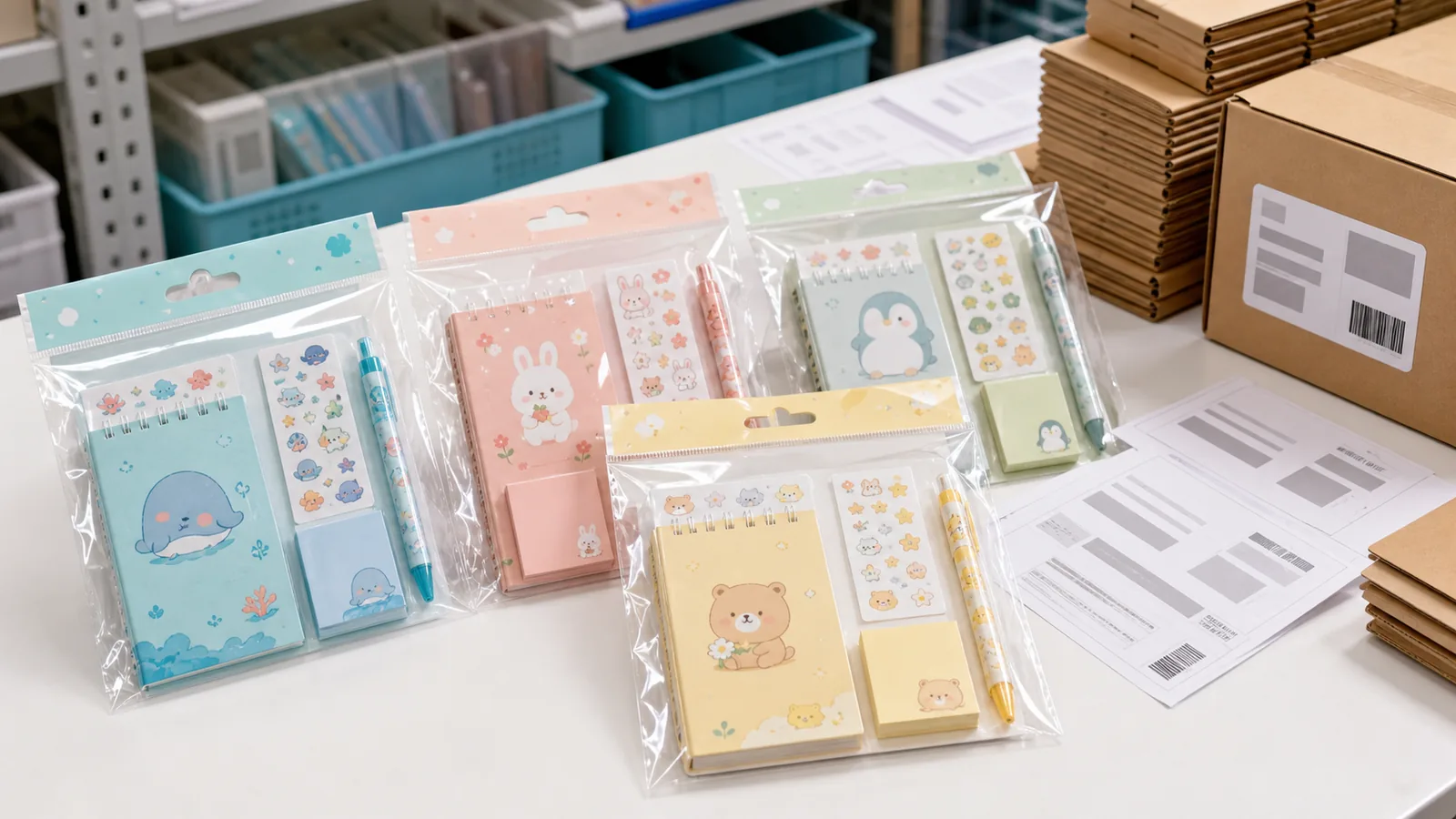
Stationery and fancy goods need to be prepared not only as finished products but also as retail-ready goods.

Backing card, OPP bag, and JAN packaging checks for stationery OEM
Check backing card size, OPP insertion, JAN labels, copyright labels, and carton labels.
Inspection and Japan-ready delivery checks for stationery OEM
Check appearance, printing, quantity, packaging, assortment, and Japan-ready delivery format.

If backing-card size, OPP bagging, JAN labels, copyright labels, carton labels, attention labels, and assortment rules are not decided, extra work can occur after mass production. Packaging conditions should be clarified before quotation so you can evaluate not only unit price but also final delivery format.

FLOW

Standard process from consultation to delivery

The process below is a typical stationery and fancy goods OEM workflow. Actual order and lead time depend on category, quantity, material, packaging, and inspection conditions.

Specification and quotation

We confirm item type, size, quantity, print method, packaging, and delivery destination to structure the quotation.

Sampling

Samples can be made when needed to check color, shape, texture, and packaging appearance.

Mass production and quality check

Production follows approved specifications, with checks for appearance, printing, quantity, and packaging.

Assortment and individual packaging

Backing cards, OPP bagging, JAN application, SKU sorting, and set assembly are checked according to requirements.

Shipping and Japan-ready delivery

Carton labels, split delivery, warehouse delivery, or event venue delivery can be prepared based on the project.

MOQ & LEAD TIME

Small lots, lead time, and tooling cost

Small-lot feasibility, lead time, and tooling cost depend on product category, material, processing method, SKU count, packaging, and inspection standard.

Products using existing molds, paper goods, stickers, and logo-print stationery may be easier to discuss, while original shapes, dedicated tooling, special materials, and multiple SKUs require closer checking. Instead of judging by a fixed quantity alone, it is better to share target quantity, budget, schedule, sales channel, and artwork count together.

QUOTE CHECKLIST

Information to prepare before requesting a quotation

The following information makes the first specification check smoother.

ItemExamples
Product categoryStickers, clear files, memo pads, sticky notes, writing instruments, washi tape, etc.
Use caseRetail sale, novelty campaign, lottery prize, fan event, IP merchandise
QuantityTotal quantity, quantity per SKU, assortment rules
SizeProduct size, backing card size, outer packaging size
MaterialPaper, PP, PET, PVC, washi paper, acrylic, fabric, etc.
PrintingFull color, spot color, white ink, foil, single-sided or double-sided
PackagingBacking card, OPP bag, JAN label, copyright label, carton label
DeliveryJapan delivery address, split delivery, target schedule, inspection standard
ArtworkAI/PDF/PSD production files and reference images
INTERNAL LINKS

Related pages

This page connects the parent fancy-goods OEM category, consultation page, and future child pages so search engines and AI search systems can understand the category structure.

FAQ

FAQ

Common questions that come up during the first stationery and fancy goods OEM consultation.

Which stationery categories can I ask about for character stationery OEM?

You can discuss stickers, clear files, memo pads, notebooks, sticky notes, ballpoint pens, washi masking tape, pencil pouches, acrylic clips, and related stationery goods. The suitable category depends on usage, quantity, SKU count, and packaging conditions.

Can custom stationery OEM be handled in small lots?

Small-lot feasibility depends on the product category, material, processing method, packaging, and inspection requirements. Existing molds, paper goods, stickers, and logo-print stationery are often easier to discuss, but the final feasibility should be checked with your quantity and specification.

Can I start with stickers and expand into a stationery set later?

In many cases, yes. If you expect future series expansion, it is better to align backing card size, design rules, JAN labels, OPP bags, and carton specifications from the beginning.

Can you support JAN labels, backing cards, and OPP packaging for retail sales?

Yes. For retail goods, the finished product alone is not enough. Backing cards, OPP bags, JAN stickers, copyright labels, attention labels, carton labels, and delivery format should be confirmed early.

Can you make stationery for fan events, live merchandise, or lottery prizes?

Yes. Stickers, sticky notes, memo pads, clear files, and writing instruments can be combined for fan events, live merchandise, lottery prizes, novelty campaigns, and character IP sales channels.

Can I consult before the final design files are complete?

Yes. If you already have the product category, approximate size, quantity, use case, and reference images, you can start with specification checking. Production quotation requires artwork data, color count, material, and packaging details.

What should be decided first for multiple SKUs?

Define the character count, artwork count, quantity per SKU, shared backing card rules, individual JAN labels, assortments, and split delivery requirements. Shared specifications make quotation and production management easier.

I do not know which stationery category to choose. What should I do?

Start from the use case: retail sale, novelty campaign, lottery prize, event merchandise, or fan goods. During the first consultation, share the target users, budget range, schedule, and desired brand world.

Discuss stationery categories and SKU structure

Even if the exact material, packaging, or delivery condition is not fixed yet, you can start by sharing the product concept, use case, and sales channel.

Request a quotation