Contents
Confirm the real size and thickness of wallets, phones, lunch boxes, acrylic goods, cards, badges, or small plush items.
Mini Tote OEM / Small Merchandise
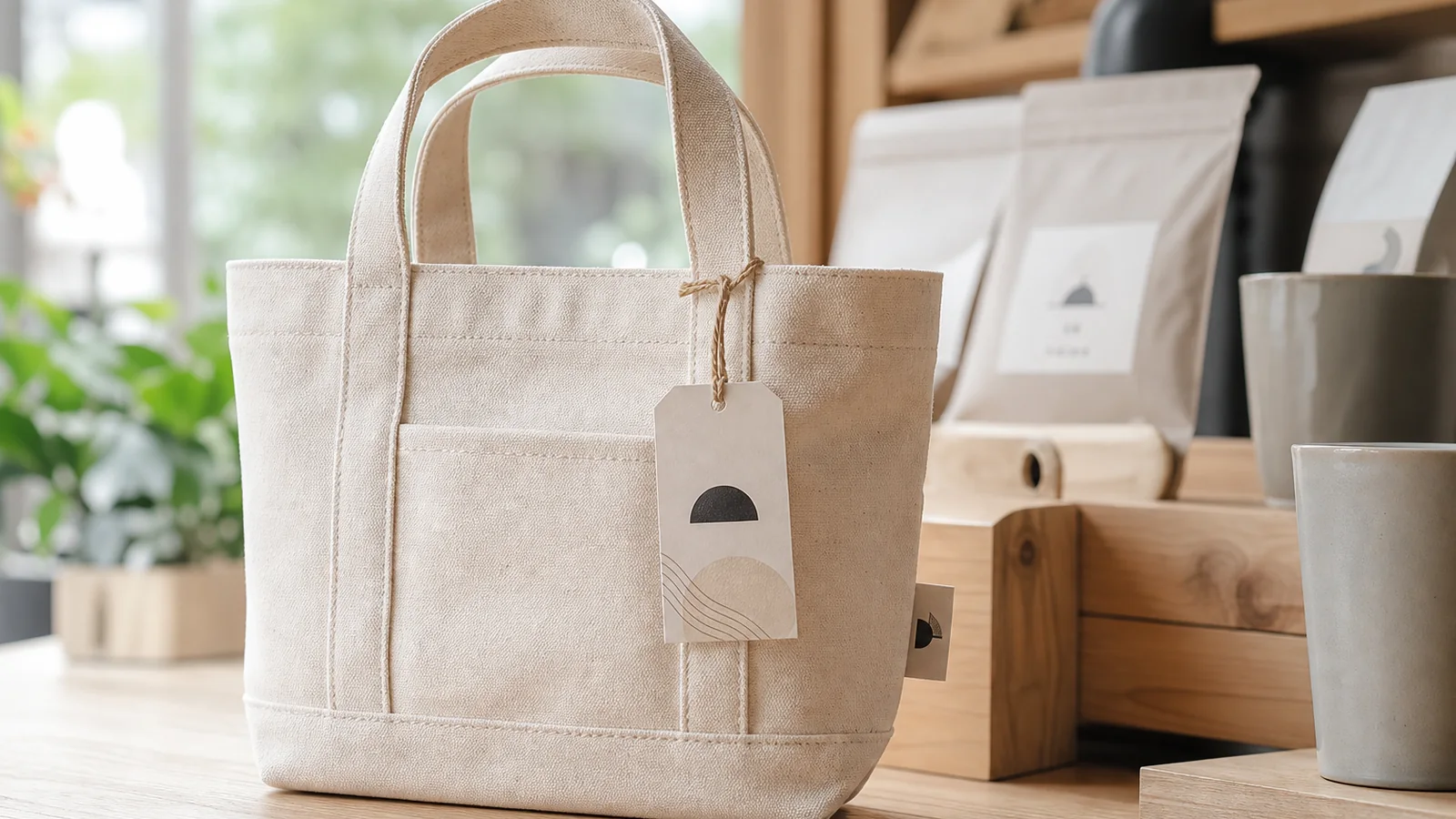
A small tote can still feel like a sellable product when size, gusset, pockets, branding, quilting, and packaging are planned together.
For cafe goods, fan merchandise sets, retail add-ons, and purchase gifts, we help organize mini tote structure, decoration, individual packaging, SKU labels, and carton requirements before quotation.
Custom mini tote bag OEM starts with what the bag must hold and how it will be sold or distributed. Even with a compact body, a stable bottom gusset, front or inner pocket, logo decoration, woven label, hangtag, individual OPP bag, SKU label, and carton marking can turn the item from a simple carry bag into retail-ready merchandise. The realistic specification changes by material, color count, quantity, packaging, and delivery conditions, so these points should be confirmed project by project.
Procurement Focus
Because the body area is small, every detail is visible: fabric thickness, handle width, bottom shape, logo placement, label size, folding marks, and packaging. If the project is planned only by outside dimensions, the finished bag may not fit the intended contents or may look unfinished on a shelf.
Confirm the real size and thickness of wallets, phones, lunch boxes, acrylic goods, cards, badges, or small plush items.
Plan logo print, embroidery, woven labels, chenille patches, and hangtags within the limited front area.
Bottom gusset, handle width, pockets, opening structure, and lining affect how the compact bag feels in daily use.
OPP bags, barcodes, per-SKU labels, and carton marks should be set before mass production to reduce handling issues.
Use Case Matrix
Cafe goods, character merchandise, retail accessories, and promotional gifts may all use small totes, but the priority changes. Separating the use case early makes quotations easier to compare.
| Use case | Main contents | Recommended structure | Key checks |
|---|---|---|---|
| Cafe or food collaboration | Lunch box, bottle, small goods | Square bottom gusset mini tote | Inside height, bottom width, stain handling, folded packing shape |
| Character goods set | Acrylic stand, cards, badges, mini plush | Front pocket plus woven label | Pocket depth, label position, OPP bag, barcode, per-SKU split |
| Brand merchandise | Wallet, phone, pouch | Thicker fabric or lining option | Handle feel, shape retention, embroidery or label appearance |
| Purchase gift or novelty | Flyer, sample, gift set | Simple cotton or polyester mini tote | Unit cost range, print area, carton quantity, event delivery date |
| Limited retail set | Main product plus insert card | Hangtag plus individual packing | Barcode, color allocation, shelf visibility, mixed carton rules |
Size And Pocket
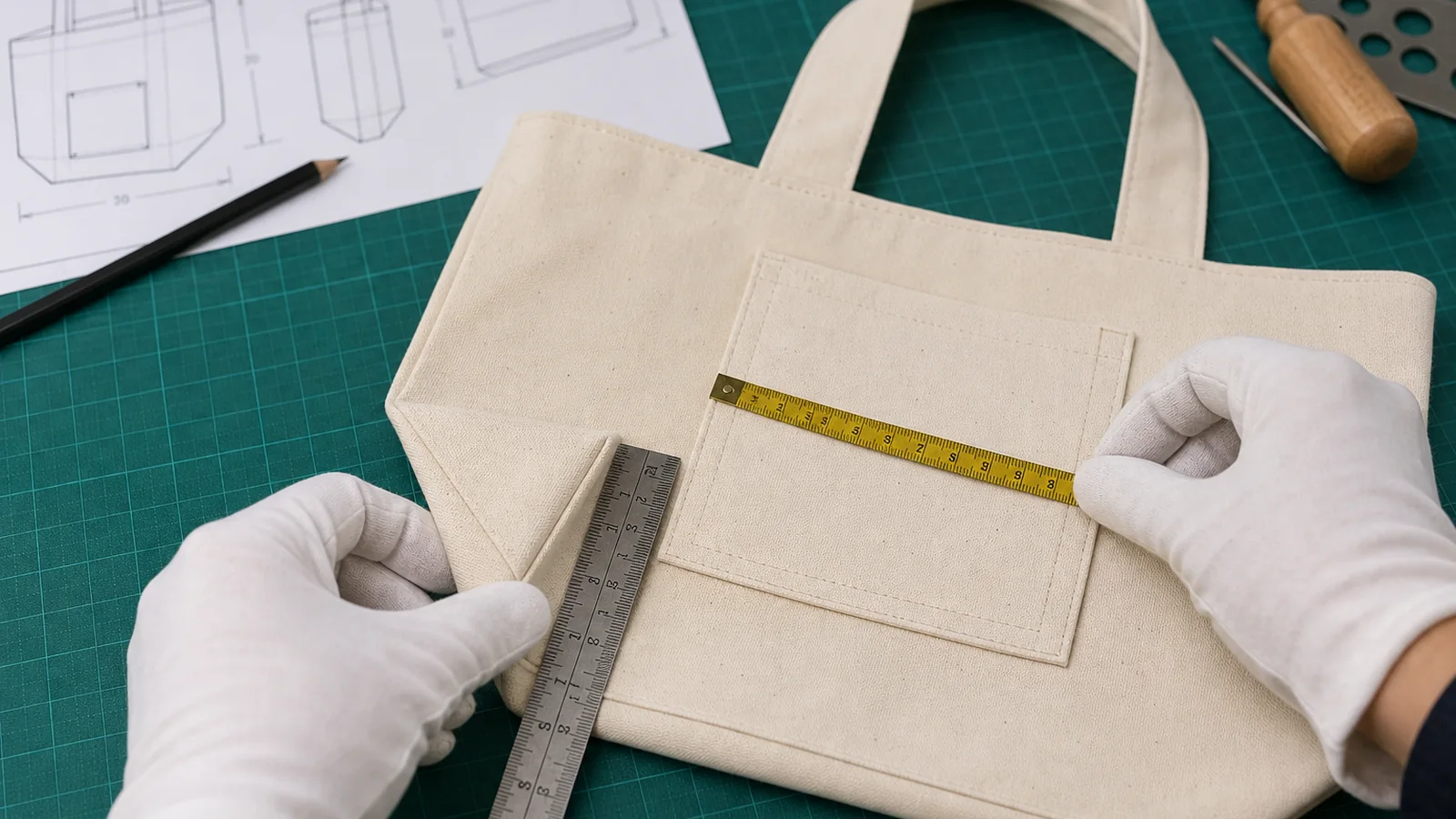
A mini tote for appearance and a mini tote for real carrying use need different dimensions. Outside size, inside size, bottom gusset, opening width, handle length, and pocket position should be calculated from the items that will actually go inside.
Structure Detail
Useful for tickets, cards, small accessories, or visible label placement. If it is too shallow, items fall out; if too deep, it becomes hard to use.
For retail items intended for daily use, an inner pocket gives keys or cards a fixed place. Sewing allowance and added thickness must be checked on compact bodies.
Dividers, magnets, zippers, and drawstring openings can help, but each adds cost and sampling checks. Keep functions tied to the actual use case.
Material And Process
On a small tote, fabric thickness, weave, color difference, and print area become easy to notice. For giveaways, weight and cost may matter most. For sellable merchandise, structure, hand feel, labels, and packaging visibility are more important.
| Option | Best for | What to check |
|---|---|---|
| Cotton or light fabric | Purchase gifts, event giveaways, light goods | Transparency, wrinkles, print color, folding marks |
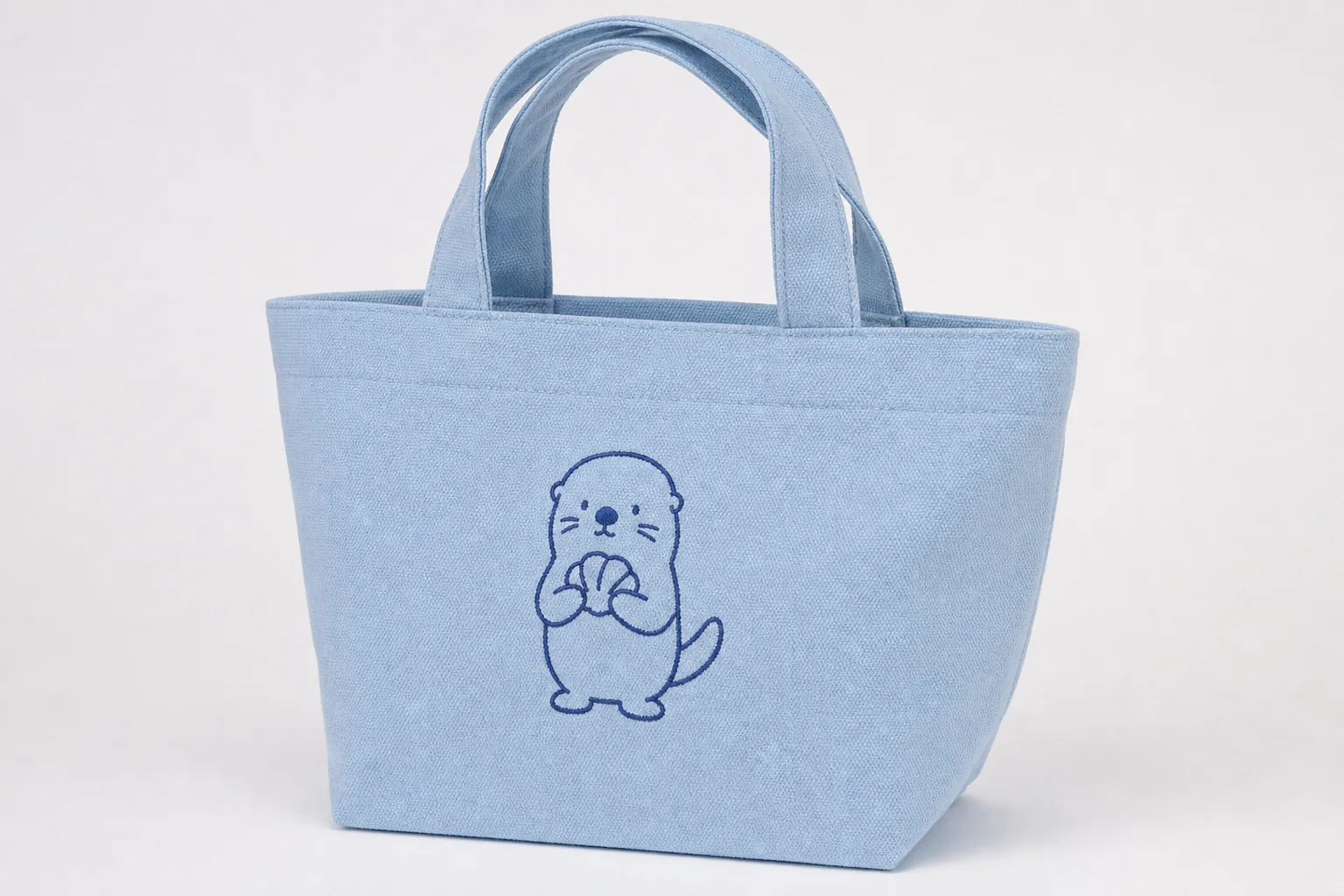
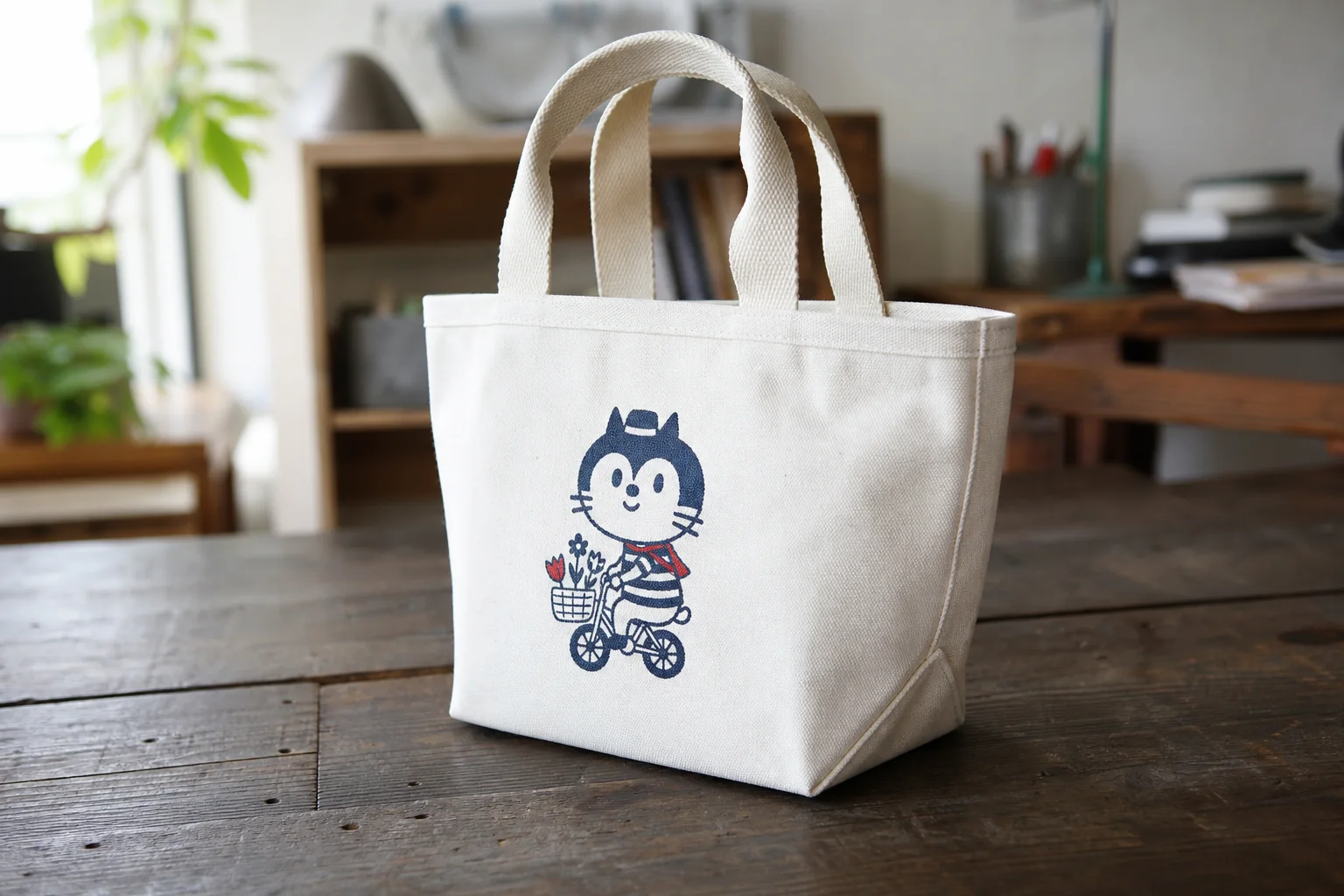
| Canvas or heavy cotton | Cafe goods, brand merchandise, daily-use items | Fabric weight, bottom gusset, self-standing form, embroidery sinking |
| Polyester or RPET | Multi-color designs, lightweight novelties, all-over prints | Heat-transfer conditions, folding wrinkles, color difference, static electricity |
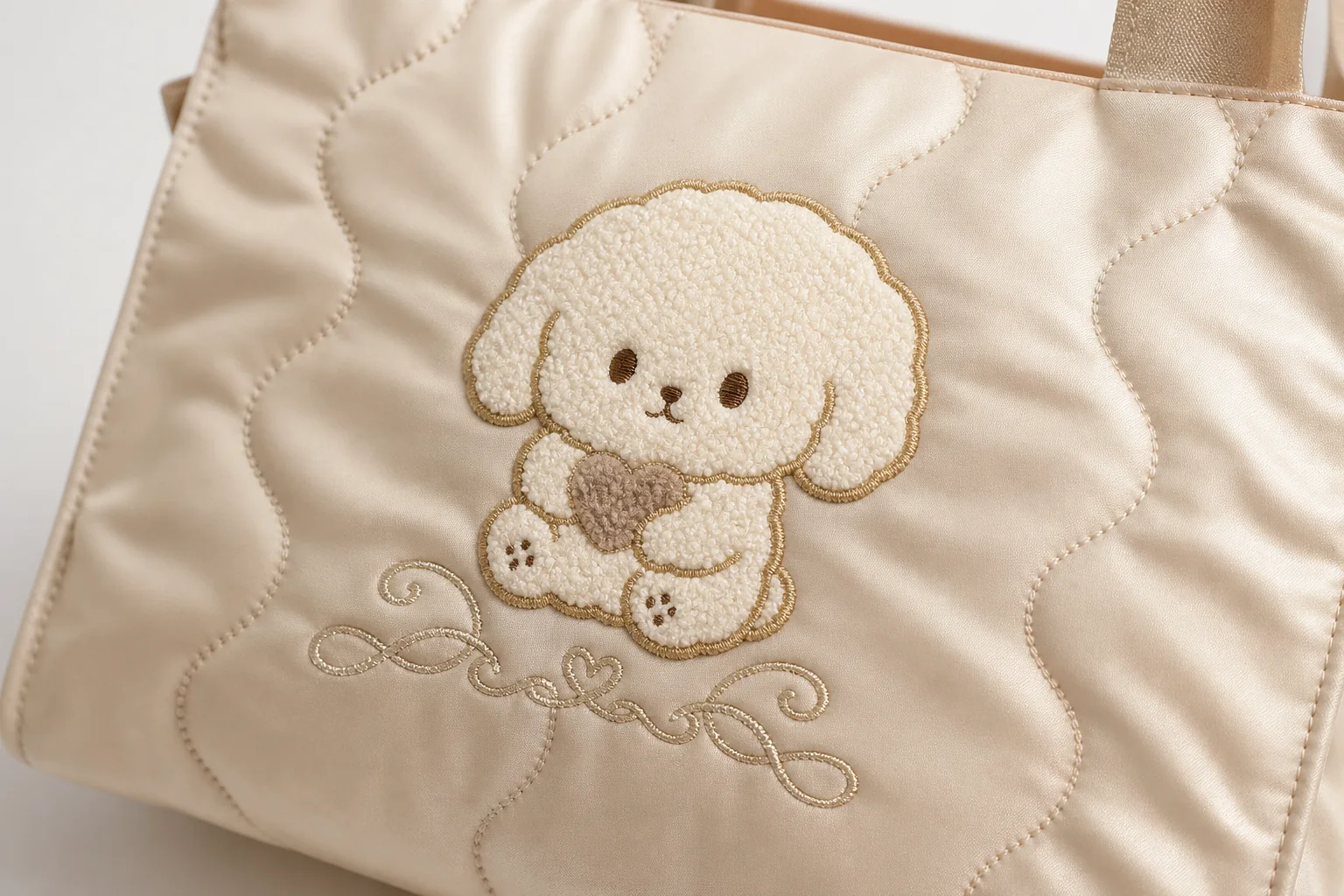
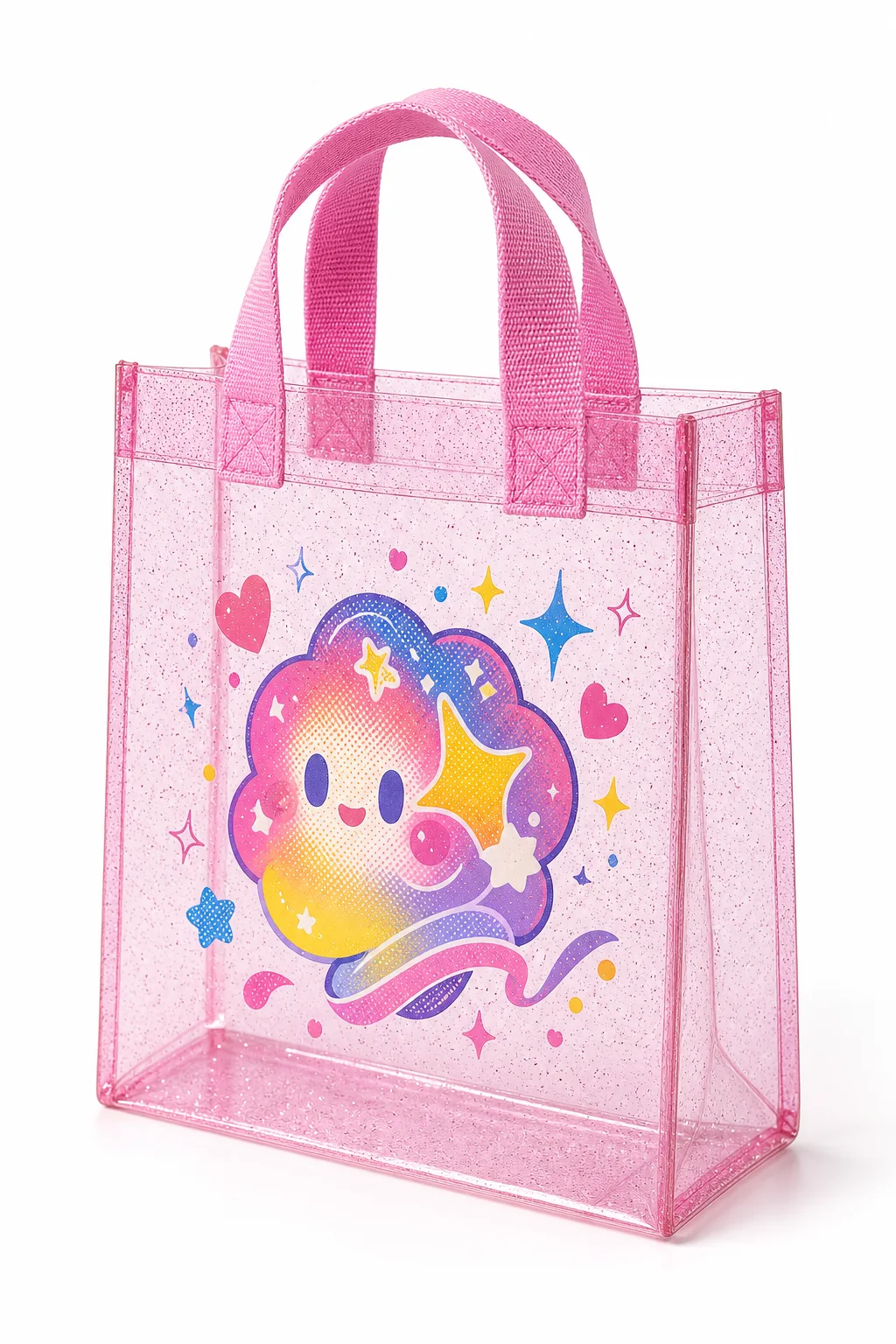
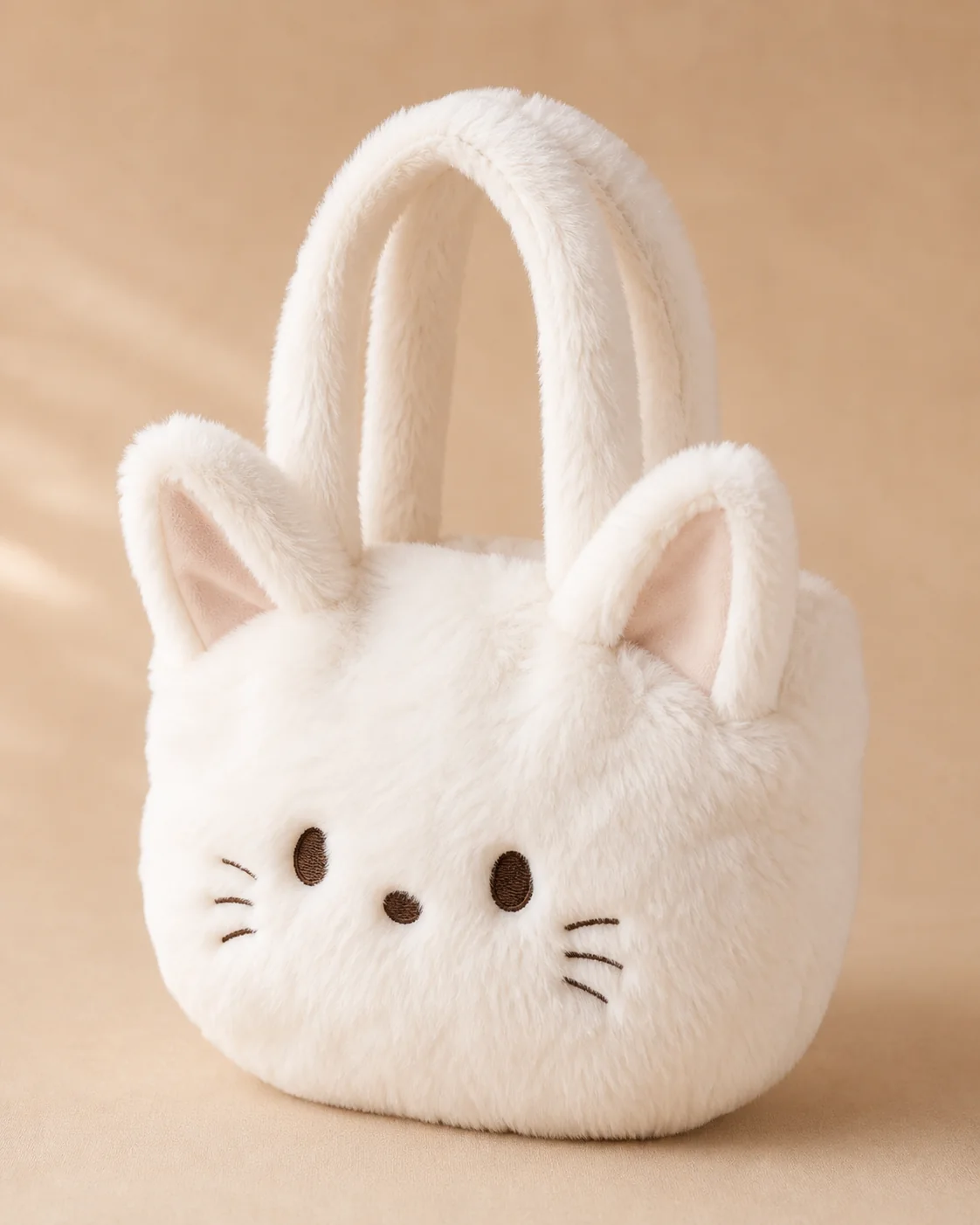
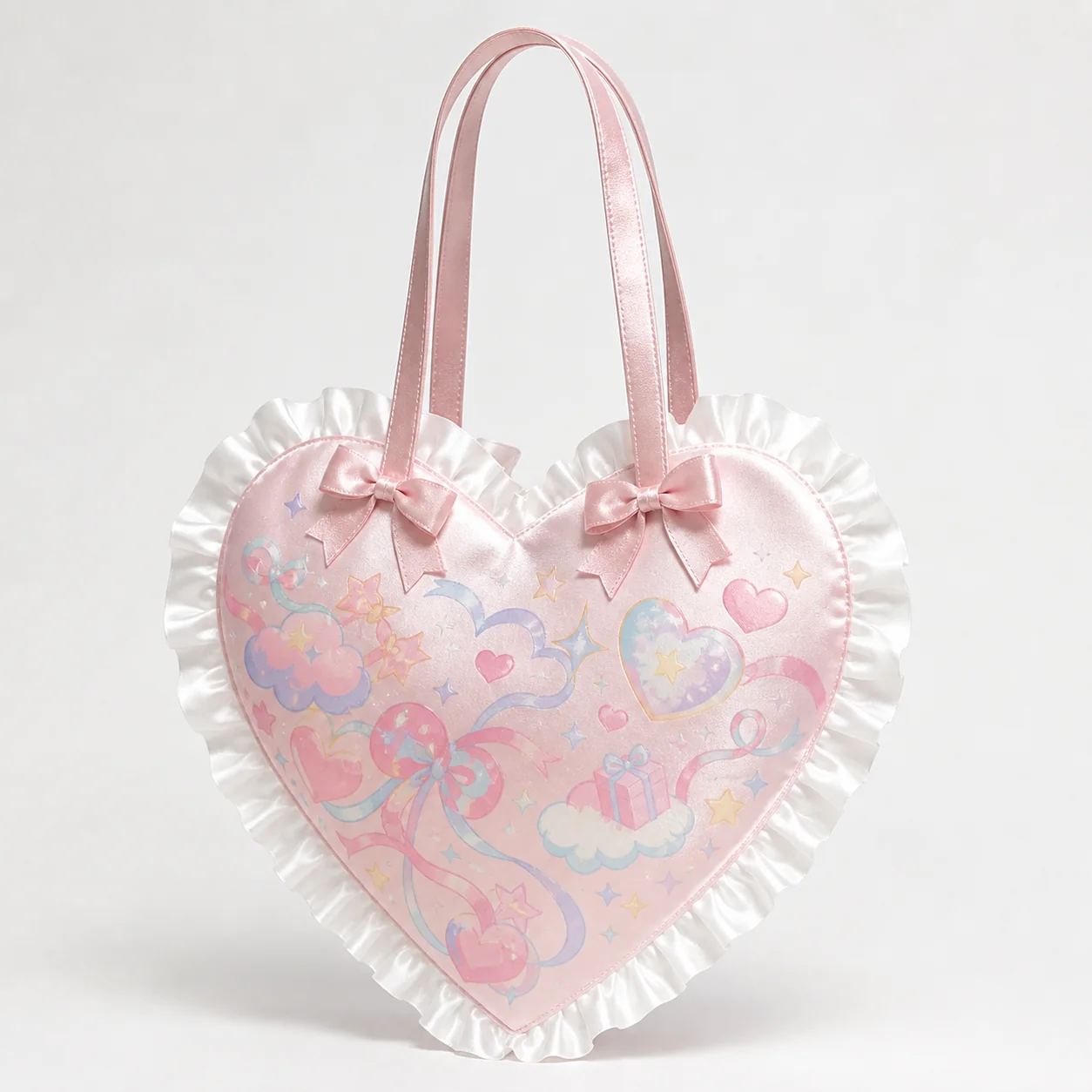
| Quilted nylon, PVC, faux fur, or satin | Trend goods, character merchandise, seasonal items | Padding thickness, surface reflection, pile direction, print or embroidery compatibility |
Quilted Chenille Direction
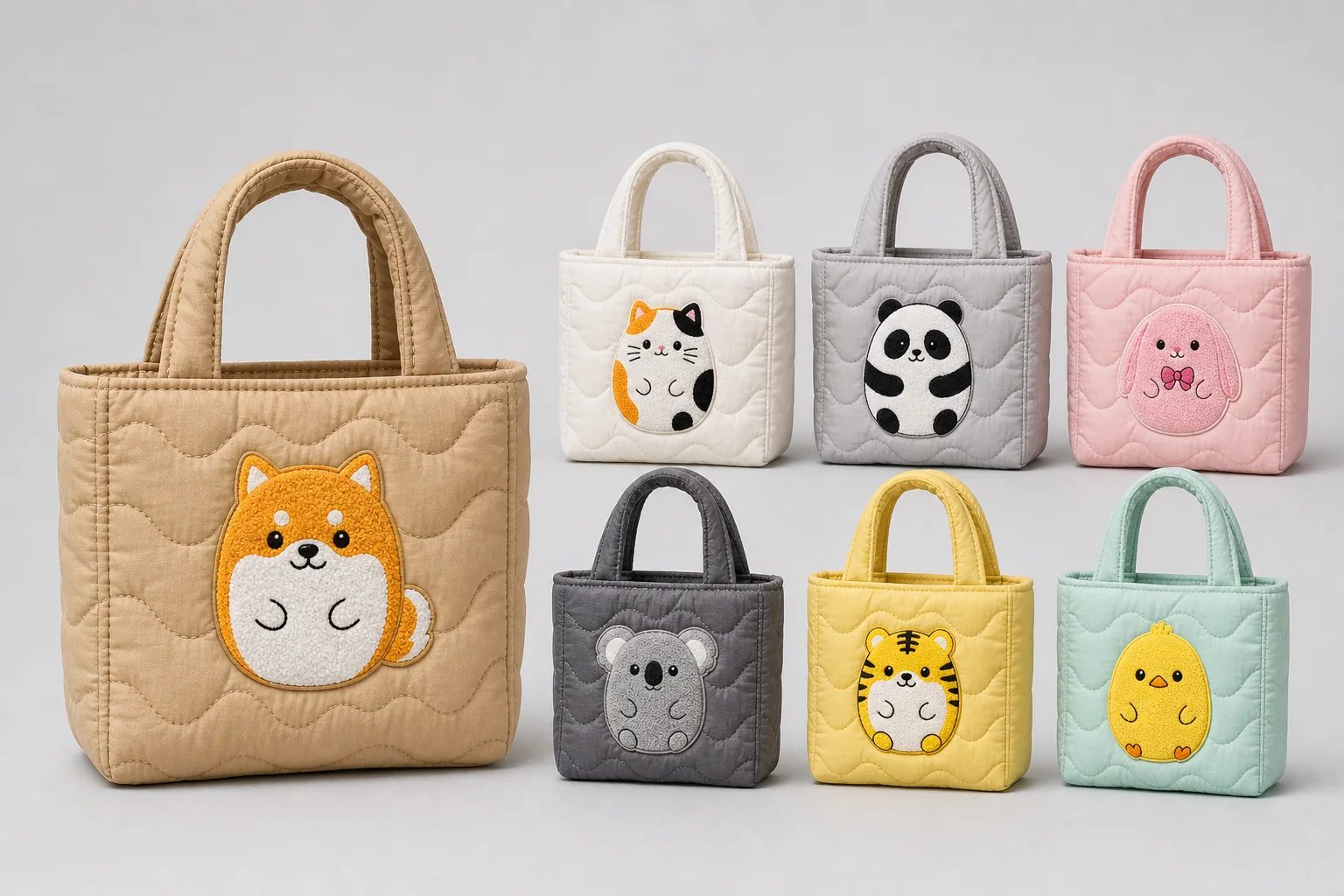
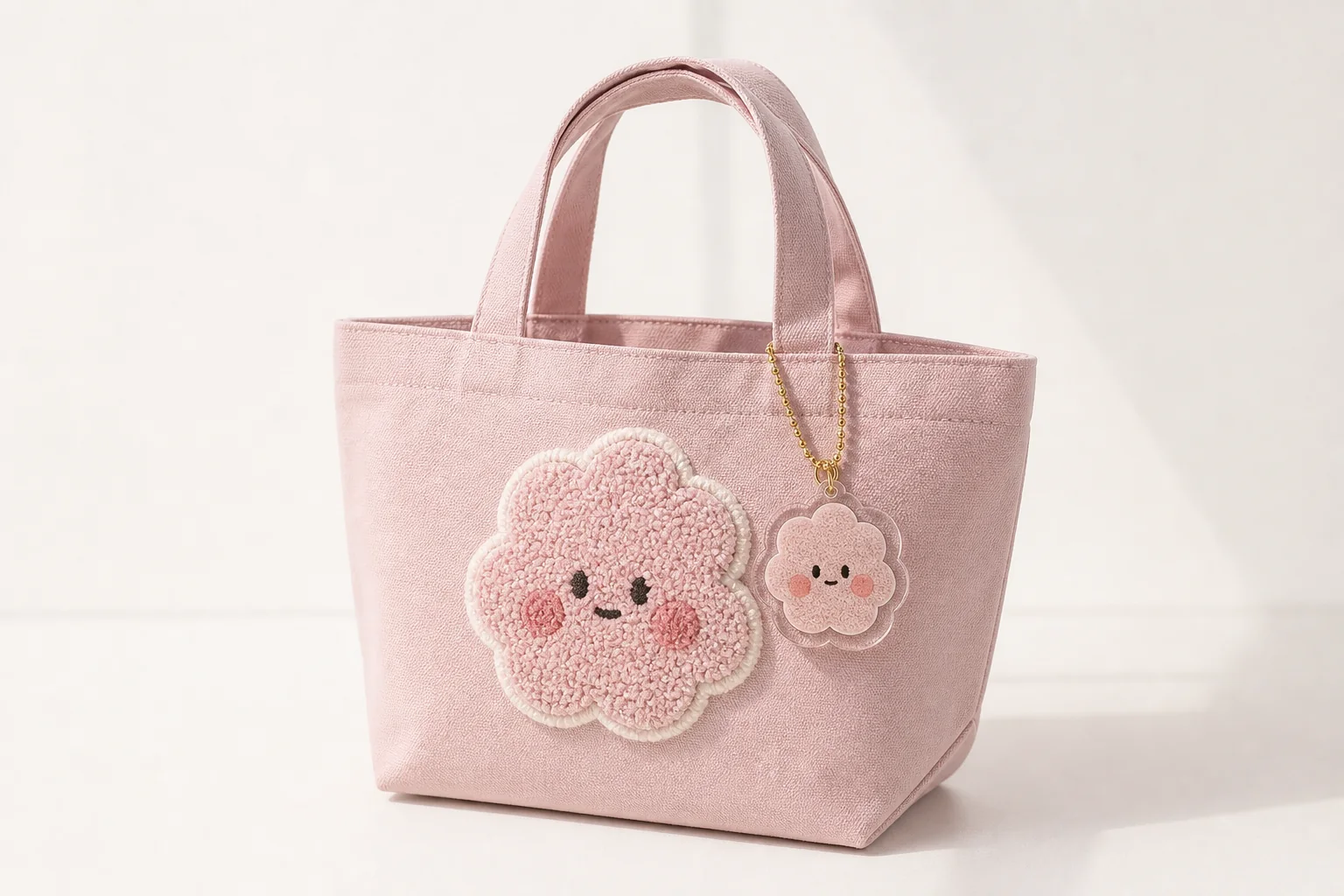
For quilted mini totes, body thickness, stitch pitch, padding, handle volume, and patch weight all affect the finished product. If the line includes several colors or artwork versions, sample approval should check pattern alignment, patch placement, packing compression, and SKU separation, not only the visual cuteness.
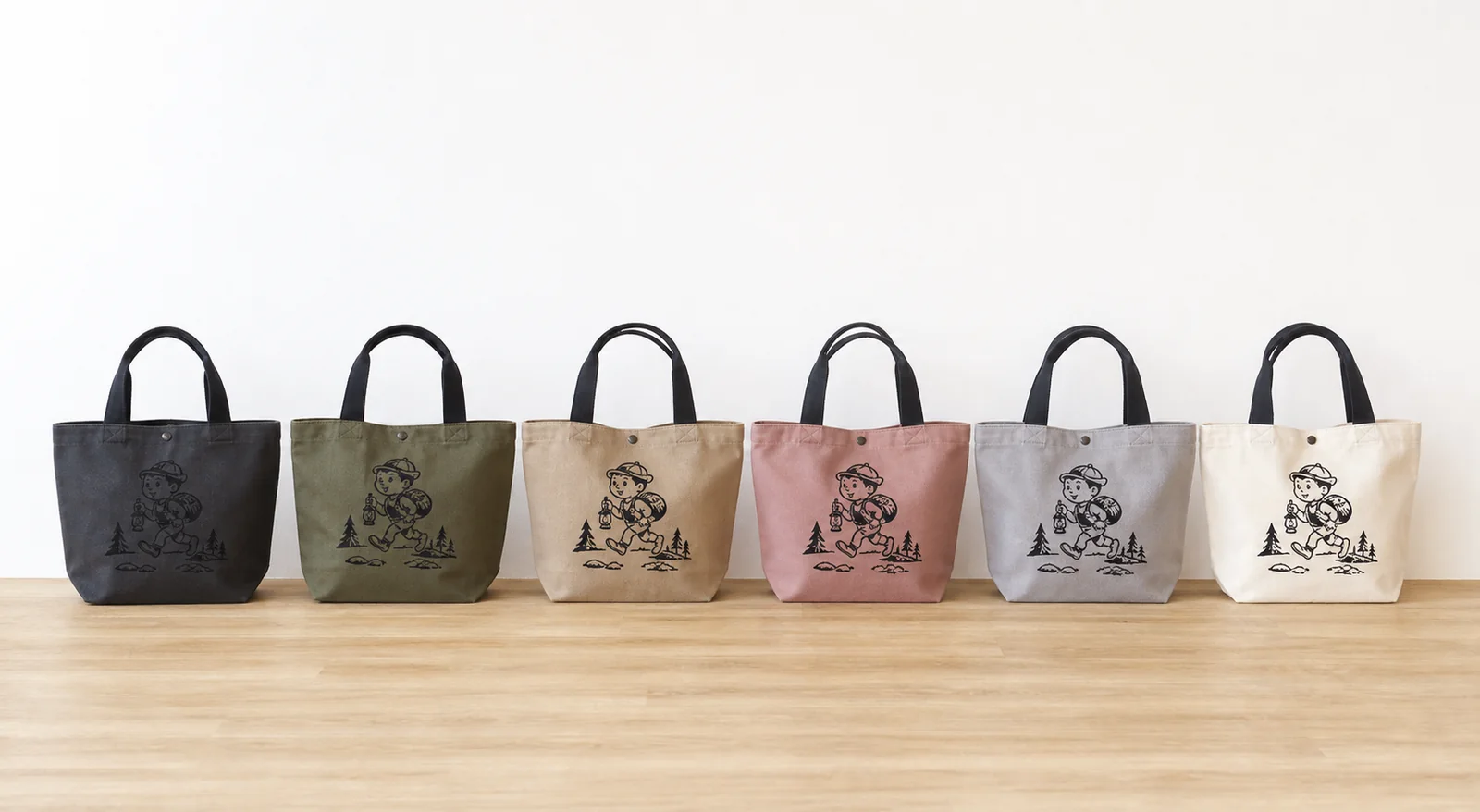
Material Variation Gallery
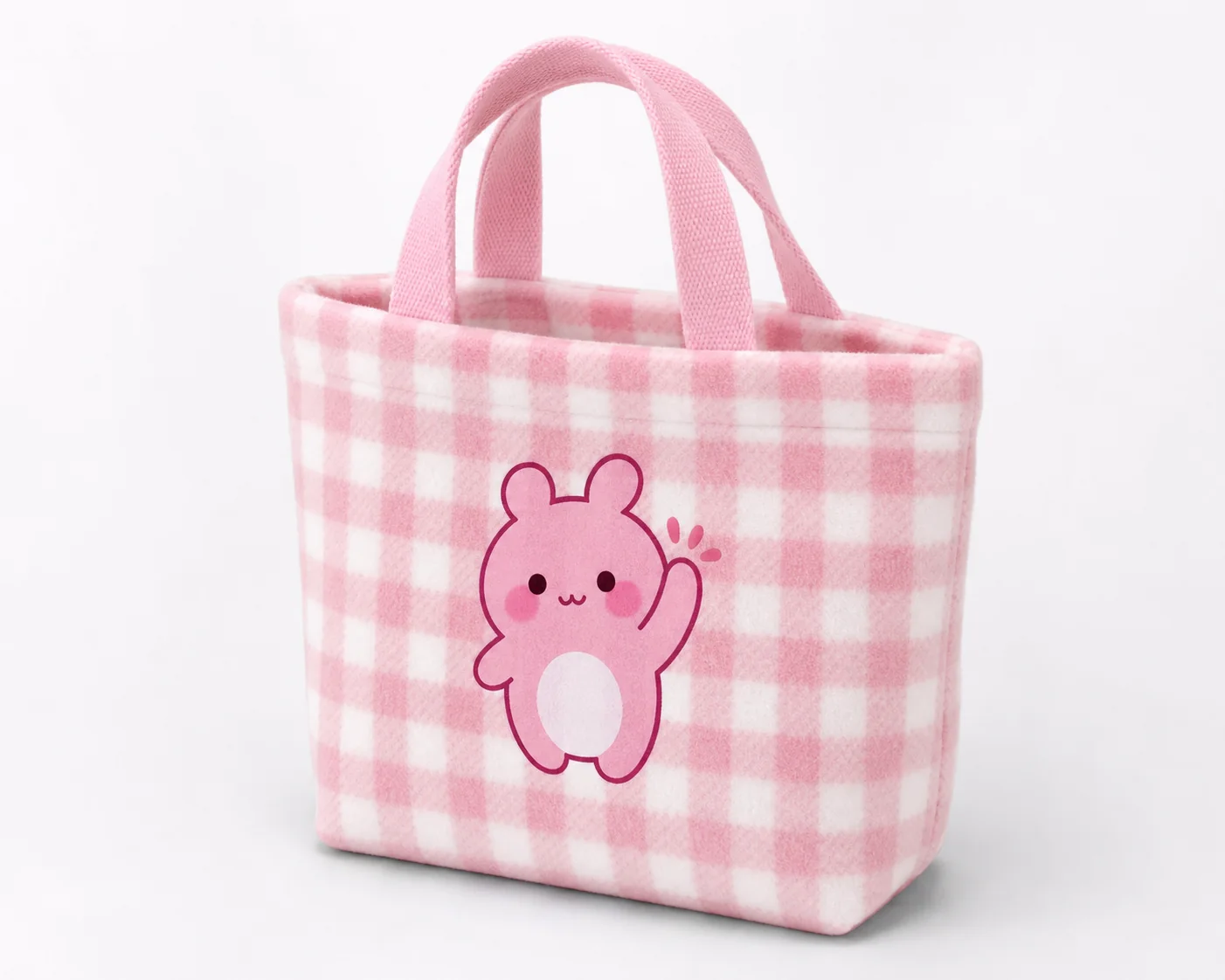
A mini tote can be canvas, PVC, fleece, faux fur, satin, or quilted nylon. Each direction changes the quotation inputs, sample checks, and packing method.
Brand Detail
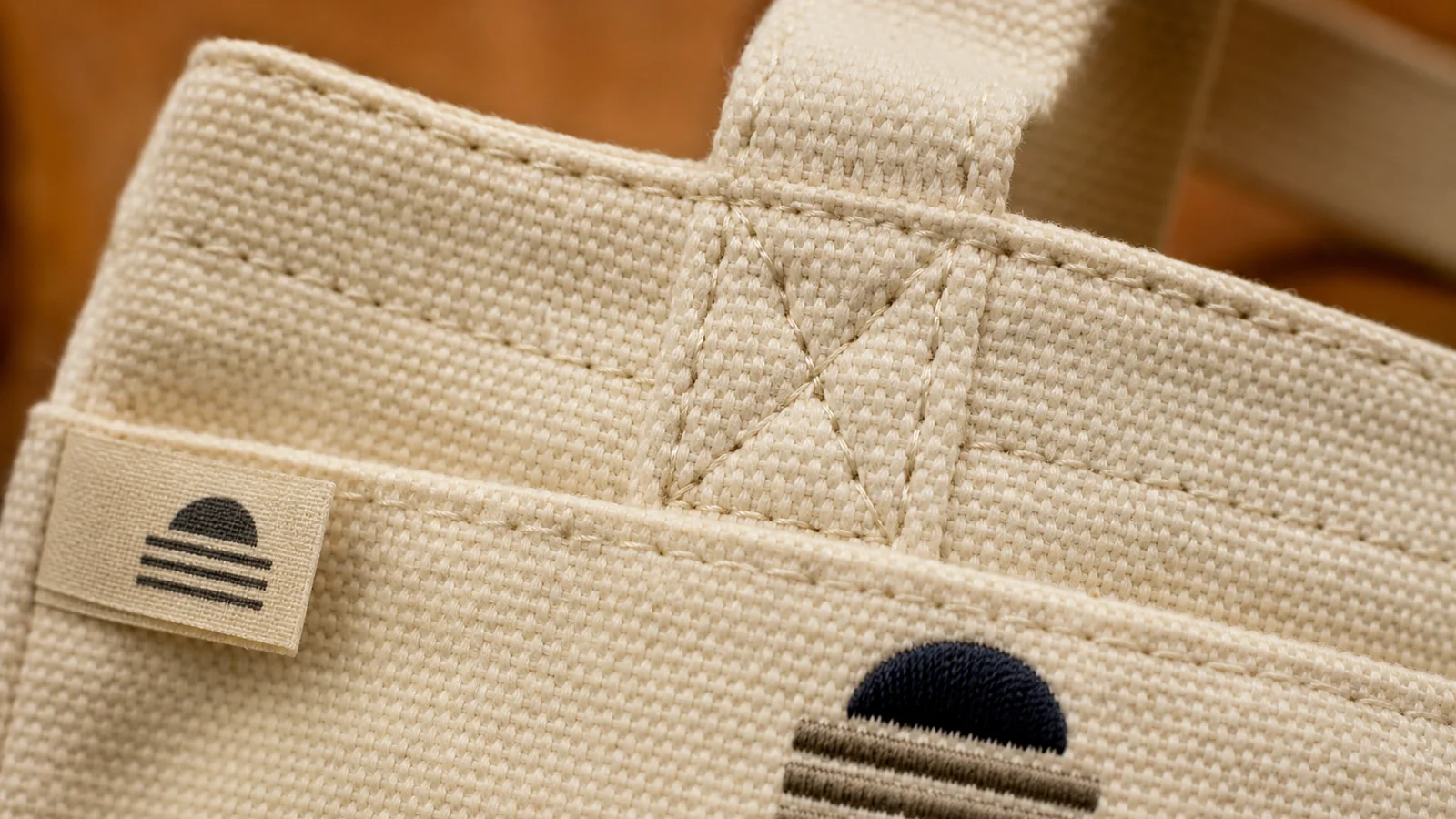
On a compact bag, even a small logo misalignment is noticeable. Choose screen print, full-color print, embroidery, woven labels, chenille patches, or hangtags based on material, order quantity, intended retail price, and packaging method.
SKU And Packaging
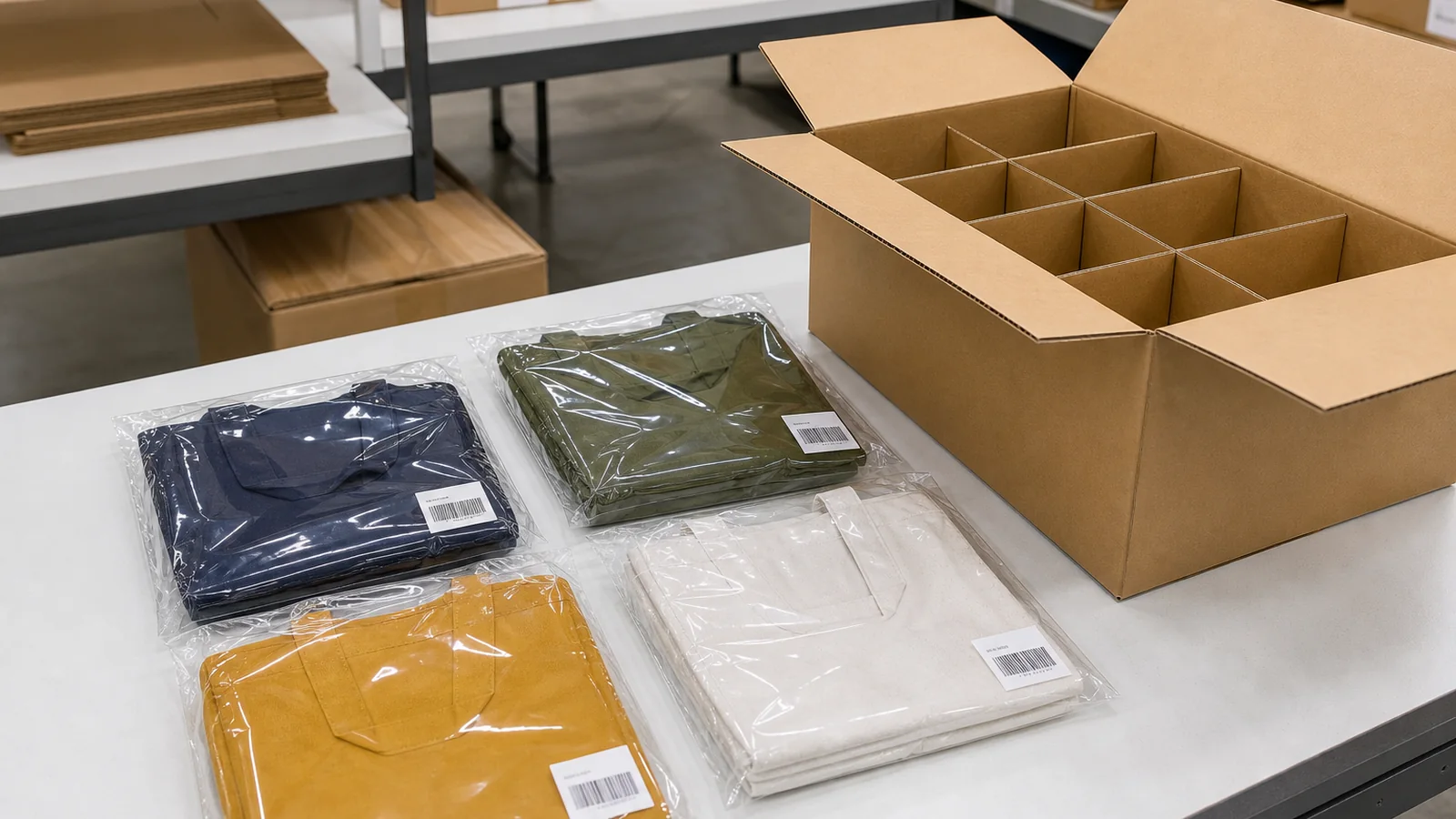
Mini totes are often developed in multiple colors, designs, or character versions. If SKU sheets, individual packaging, barcodes, and carton labels are left until after production, mixing and delivery issues become more likely.
Sample Risk
A mini tote has a simple shape, but sewing, logo placement, bottom gusset, patch weight, and packed appearance can create quality differences. Sample approval should test whether the bag works in the actual sales or distribution scene.
Place the intended contents inside and check opening width, bottom depth, handle balance, and pocket interference.
Check whether print, embroidery, woven labels, chenille patches, and hangtags sit too close to seams or pockets.
Review folding method, visibility through OPP, barcode placement, carton packing, wrinkles, and compression marks.
Before Quotation
Even if the full specification is not fixed, practical project information helps narrow realistic production options. Start from use case, quantity, contents, and target timing rather than locking a material too early.
Related Routes
Compare blank bag printing, existing-shape adjustment, and fully custom sewing routes.
Review canvas weight, print methods, gusset structure, and material-focused options.
Use the broader category hub for pouches, drawstring bags, cooler bags, shoulder bags, and related formats.
For production steps, see Order Process. For common planning questions, see FAQ. For project-specific specifications, contact us through Inquiry.
FAQ
They overlap, but they are not the same requirement. A lunch tote focuses on food containers and bottle fit. A custom mini tote bag project may also cover retail merchandise, fan goods sets, purchase gifts, cafe goods, hang tags, individual packaging, and SKU control.
A stable bottom gusset, suitable fabric thickness, handle width, front or inner pocket, clean logo placement, woven label, hang tag, and individual packaging can make a small bag feel like a product rather than a simple giveaway. The final choice should be checked on a sample.
Yes. Please share the actual dimensions and thickness of the items you want to place inside, such as wallets, smartphones, lunch boxes, acrylic stands, cards, badges, or small plush items. The outside size, bottom gusset, opening, seam allowance, and pocket position are then adjusted together.
Front pockets, inner hanging pockets, dividers, pen slots, and small accessory pockets can be discussed based on the project. On a compact bag, too many pockets can increase thickness and sewing cost, so the pocket count should match the real use case.
Screen printing is practical for simple logos and larger quantities. Heat transfer or inkjet printing can support full-color artwork. Embroidery, woven labels, and chenille patches are often used when the product needs a more tactile or retail-grade look. Fabric texture, line width, color count, and quantity affect the recommendation.
Yes. Quilting pattern, stitch spacing, padding thickness, handle construction, chenille patch shape, loop density, border embroidery, and patch position can be planned. For quilted mini totes, sample approval should check shape retention, patch weight, and packing compression.
Colorways, artwork versions, character versions, package labels, carton marks, and delivery destinations can be organized in one SKU table. After sample approval, the SKU name, box number, carton label, and split-shipment rules should be fixed to reduce mixing risks.
Please prepare the intended use, estimated quantity, target size, items to be placed inside, material direction, artwork or logo data, color count, pocket and tag needs, packaging method, delivery destination, and target delivery timing. Reference images and rough sketches are also useful.
Quote Consultation
Share your use case, contents, quantity, artwork, material direction, packaging, and delivery destination. We can organize size, fabric, pockets, labels, quilting, chenille embroidery, SKUs, and carton requirements before quotation.