Container fit
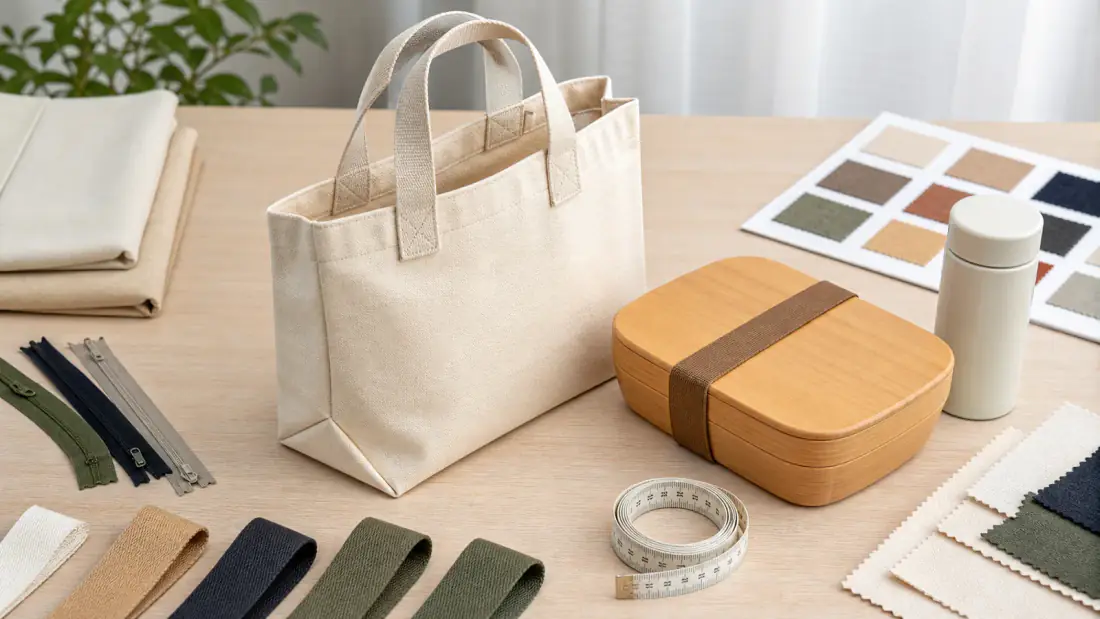
Use bento box, bottle, ice pack, cutlery, and insert-card dimensions to define usable internal space.
Custom Lunch Tote Bag OEM
Plan bento box fit, gusset depth, handles, insulation, closure, and packing before sampling.
For cafe collaborations, food-brand campaigns, employee wellness gifts, and retail bento sets, the lunch tote should be specified from the actual container set and distribution method, not only from an attractive bag shape.
A custom lunch tote bag should be specified from the real bento box, bottle, ice pack, and packing method first. Width alone is not enough. Buyers need to confirm internal clearance, bottom gusset, opening type, handle drop, insulated lining, label position, individual packing, and SKU rules together. Cold-retention claims, MOQ, schedule, and documentation should be confirmed by project conditions rather than treated as fixed public promises.
Procurement Focus
Lunch tote buyers usually care about how a container sits inside the bag, how easy it is to load, whether the handles feel comfortable when filled, and how the item will be packed or displayed for a campaign. That makes the structure different from a general mini tote or broad tote-bag inquiry.
Use bento box, bottle, ice pack, cutlery, and insert-card dimensions to define usable internal space.
Check handle width, handle drop, stitching position, and balance with the expected lunch set loaded.
Choose simple fabric, insulated lining, zipper, drawstring, or ice-pack pocket according to the use case.
Plan individual bags, hang tags, barcode or JAN labels, carton marks, and split delivery before production.
Use Case Matrix
Cafe retail, food-brand promotions, corporate wellness gifts, school campaigns, and summer events all use lunch totes differently. Separate the scenario first so the size, material, closure, and packing plan do not conflict.
| Use case | Main contents | Likely structure | Buyer checks |
|---|---|---|---|
| Cafe or food collaboration | Bento set, sweets, drink, card | Structured gusset, zipper or tag, individual packing | Shelf look, set packing, barcode/JAN label, color quantity |
| Employee wellness gift | Lunch box, tumbler, light documents | Lightweight fabric or simple insulated lining | Distribution date, logo position, carton count, handle comfort |
| Retail bento set | Box, cutlery, small goods, tag | Thicker fabric, front pocket, hang tag | Retail price tier, packaging view, SKU table, label location |
| Summer campaign | Drink, ice pack, food sample | Zipped insulated construction | Lining, condensation, closure, document requirements |
| Purchase bonus | Paper goods, light food, novelty | Regular lunch-size tote or simple lining | Cost range, print area, fold, carton mark |
Shape Options
Do not choose the shape only from style references. Decide whether the meal container lies flat, whether a bottle stands upright, whether the top opening must be wide, and how the bag should look in retail or event distribution.
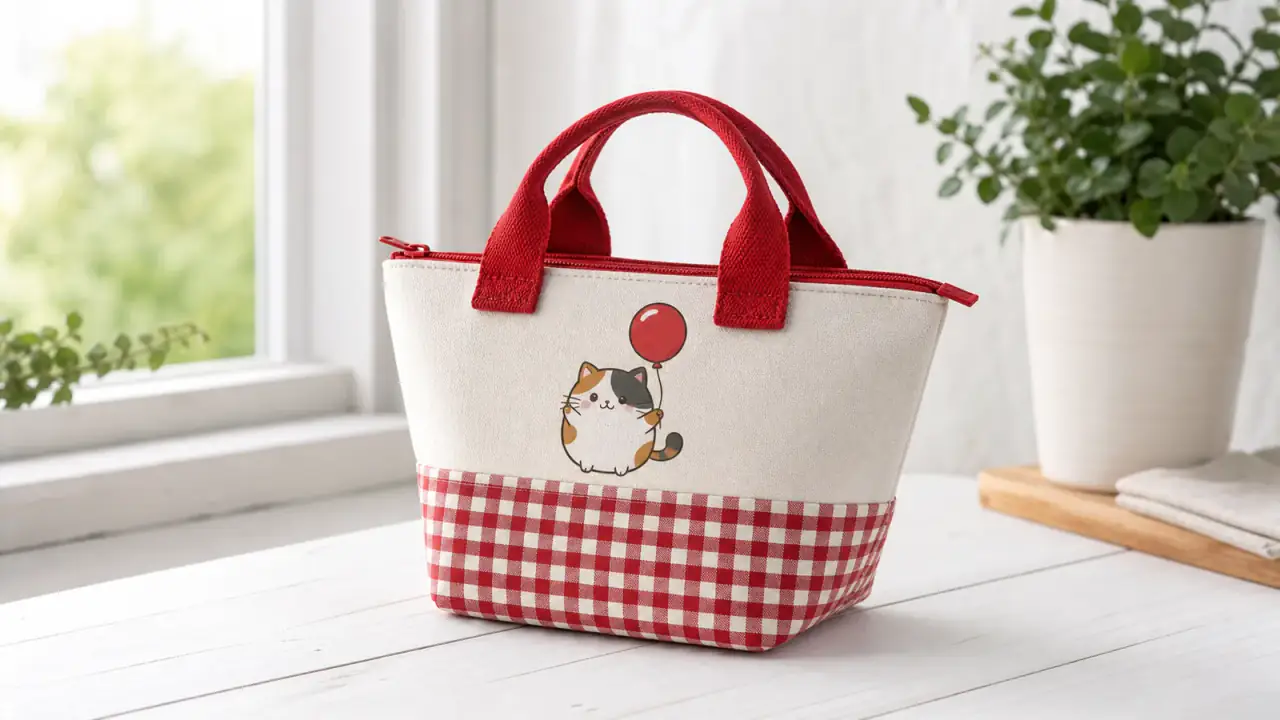
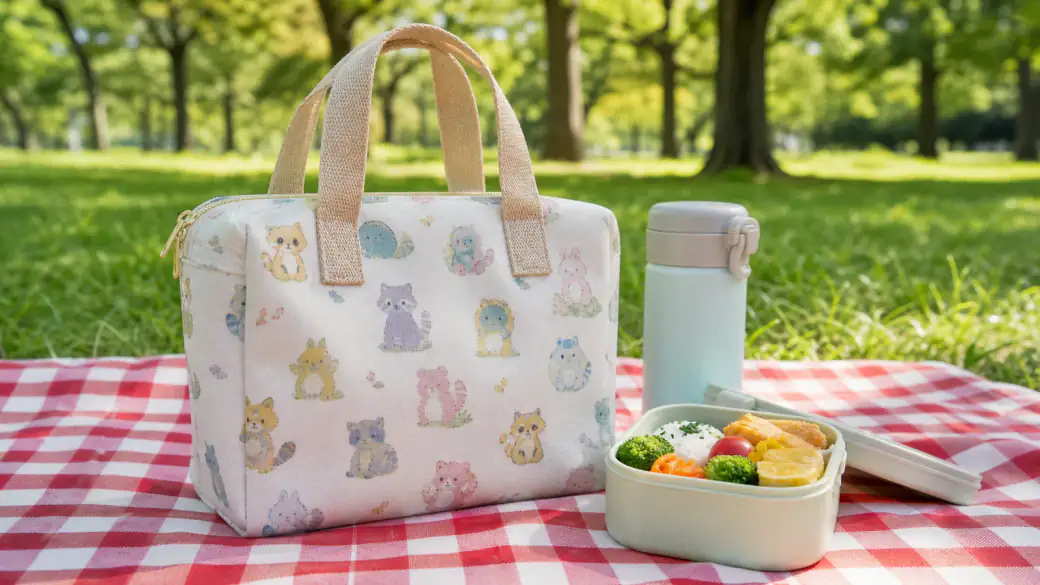
A boat-shaped tote works when the bento box should sit flat with a stable bottom gusset. The red gingham sample in the hero also shows how panel switching, zipper placement, and handle angle affect the final impression.
Bento Size And Handle
Many lunch tote references fall into compact daily-use ranges, but those numbers should not be copied as a fixed CCG specification. The correct size depends on the actual container set, bottle height, ice pack, insert card, and the way the user loads the bag.
Insulation And Closure
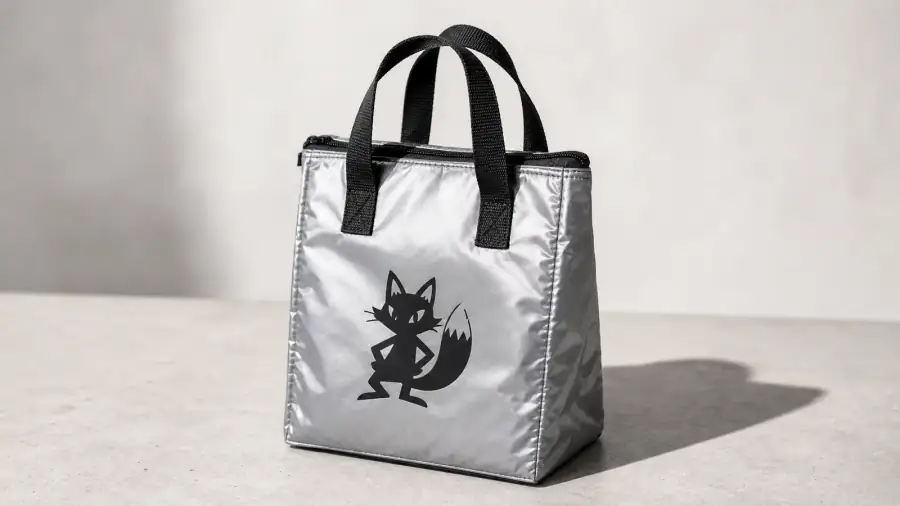
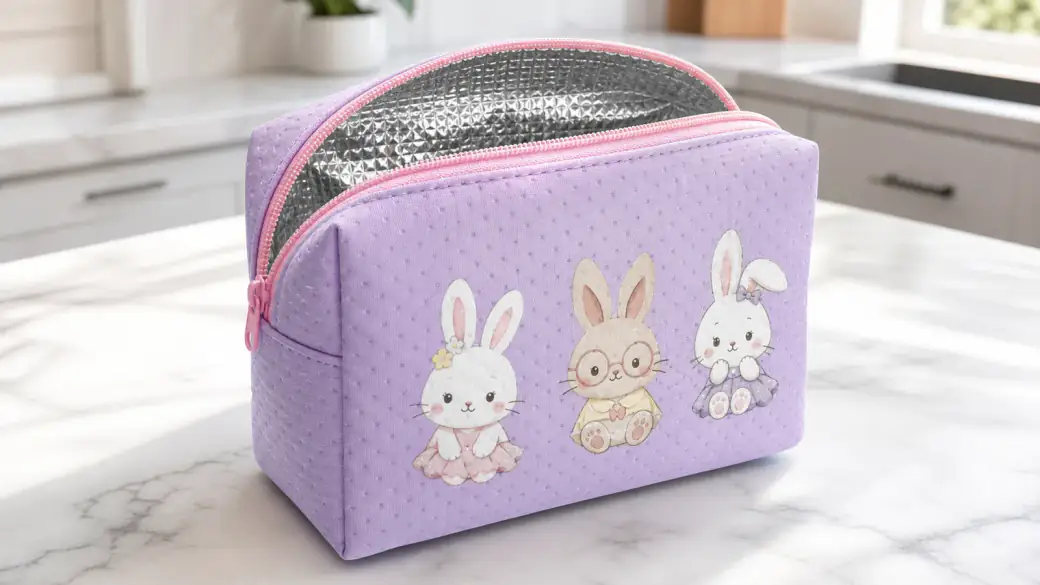
An insulated lunch tote can use aluminum film, PEVA, foam layers, coated fabric, zipper closure, drawstring closure, or ice-pack pockets depending on the project. Avoid promising public cold-retention hours until the material stack, sample testing, and use conditions are confirmed.
Material And Printing
Lunch totes are handled near food and drink, so stains, condensation, print durability, texture, and packing shape are more visible than on many simple giveaway bags.
| Material | Useful for | Decoration options | Checks before mass production |
|---|---|---|---|
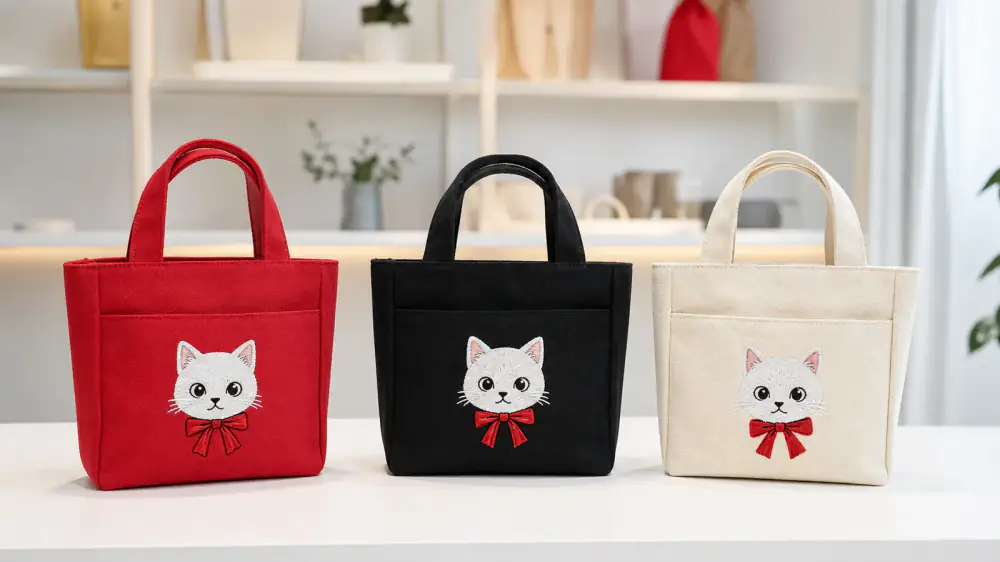
| Cotton or canvas | Cafe goods, retail sets, character merchandise | Screen print, heat transfer, embroidery, woven label | Color tolerance, soiling, shrinkage, stitch bulk, print position |
| Polyester or RPET | Lightweight promotions, full-color artwork, insulated outer shell | Heat transfer, sublimation by project, woven tag | Wrinkle, transparency, coating, heat marks, fold lines |
| Non-woven fabric | Cost-sensitive campaigns and short-term distribution | Logo print, simple labels | Handle strength, folding, bulk packing, print edge quality |
| Insulated lining | Summer promotions, food-related kits, daily lunch use | Interior lining selection, zipper or drawstring | Cleaning, odor, seam treatment, documentation scope, sample testing |
Print, Embroidery And SKU
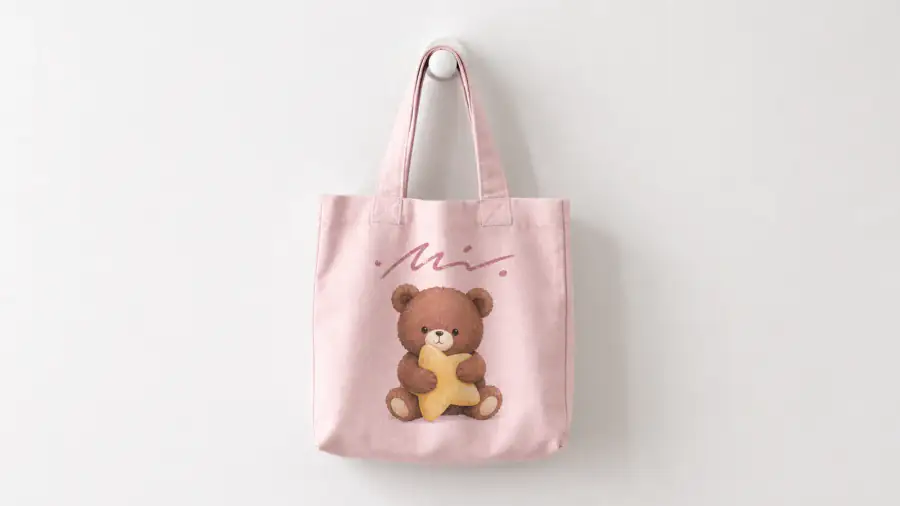
A reference image may look good as a mini tote, large tote, or plush bag, but lunch-tote production needs its own size, gusset, handle, front-panel distortion, and packing review.
Cafe And Food Collaboration
Lunch tote projects often include more than the bag: bento boxes, bottles, sweets, cards, acrylic items, inserts, hang tags, or barcode labels. The bag spec, packing method, and delivery rules should be approved together.
Sample And QC
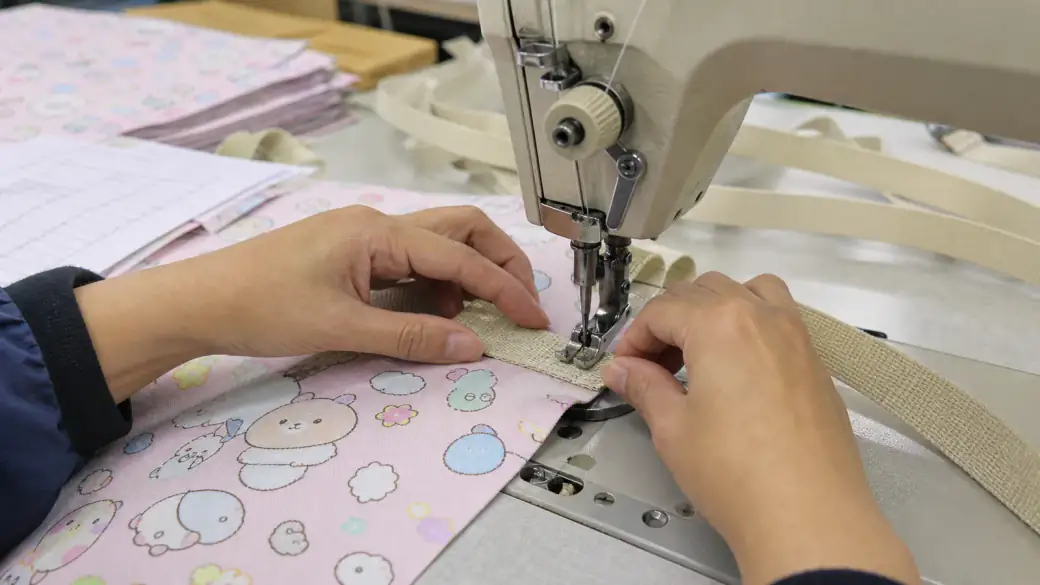
A lunch tote may look correct while empty but tilt, collapse, or become hard to close once the real contents are inserted. Use the sample stage to fix structure and packing risks before mass production.
Boundary Check
Reference images sometimes mix lunch totes with larger event bags or plush character bags. Keep the lunch-tote RFQ focused on bento size, compact carrying, insulation, and packing. Route larger or plush-structure items as separate SKUs when their use case changes.
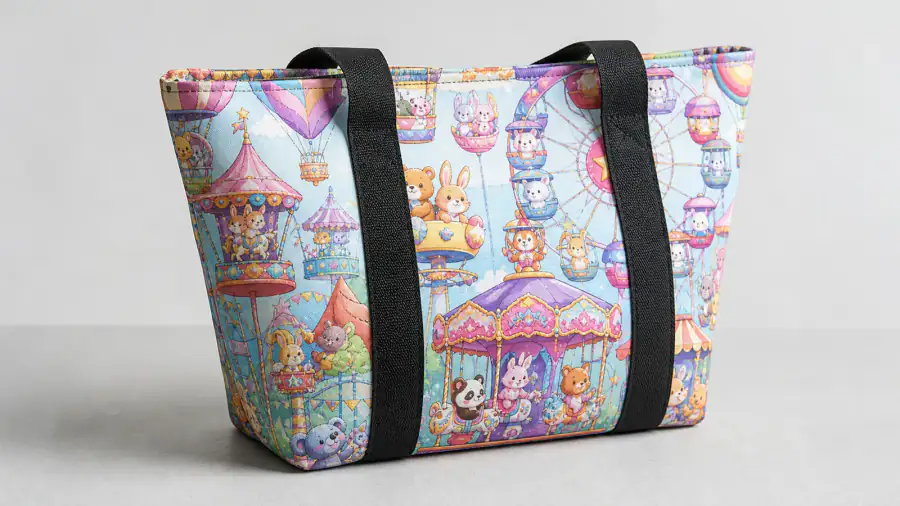
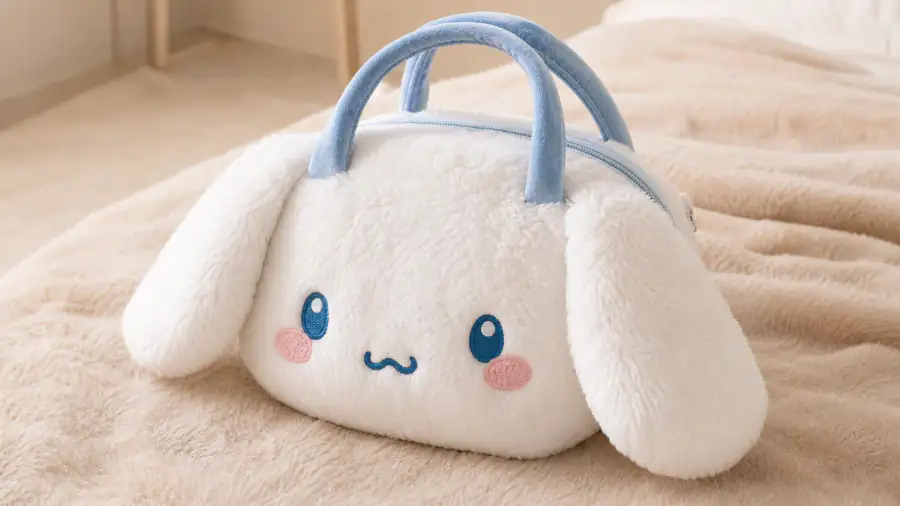
When a project includes lunch totes plus event totes or plush bags, create separate specification lines for each format. This avoids mixing material, size, inspection, packing, and keyword intent.
Before Quotation
If the final design is not fixed yet, send the expected contents and use scene first. That lets us organize a realistic lunch-tote structure before quoting details.
Related Routes
FAQ
A lunch tote is planned around food containers, bottles, ice packs, lining, closure, and packing for lunch use. A mini tote can be a small general merchandise bag. If bento fit, insulation, or cafe collaboration packing matters, the lunch tote specification should be separated from a generic mini tote order.
Share the outer width, depth, height, lid shape, bottle height, ice pack size, cutlery length, and any insert card or food set packaging. Photos help, but actual dimensions are needed to decide gusset depth, opening, handle drop, and internal clearance.
No. Insulation is useful for food collaboration, summer campaigns, cafe sets, and daily meal programs, but simple fabric lunch-size totes can work for paper goods, lightweight gifts, or short indoor distribution. The decision depends on contents, use time, lining needs, and budget.
Handle length and width should match the expected contents, hand or arm carry style, opening width, and packed shape. A narrow handle may feel uncomfortable with a loaded lunch box, while a long handle can affect display and individual packing.
Closure can usually be discussed by project. Zippers improve containment and shelf presentation, drawstrings can be lighter and flexible, snaps or magnets can be simple, and open-top bags can be suitable for quick distribution. The sample should be checked with the real container set loaded.
Yes. Individual bags, hang tags, backing cards, barcode or JAN labels, insert cards, carton marks, and split delivery can be planned when the project requires retail or campaign packing. Food-contact documents or special disclosures should be confirmed before production claims are made.
Screen printing, heat transfer, embroidery, woven labels, and patches can be considered depending on fabric, color count, artwork detail, surface texture, and target price range. Print position should be checked on the actual lunch-tote shape, especially near pockets, gussets, and seams.
Prepare use case, target contents and dimensions, preferred outer size, gusset, handle, closure, material, insulation or lining needs, artwork, quantity, SKU breakdown, packing method, delivery destination, event or sale date, and any food-safety or labeling requirements.
Quote Consultation
Send the contents, dimensions, artwork, quantity, SKU split, packing method, and delivery schedule. We will help organize the structure before sample and quotation.