
Sofubi vs. Rubber Goods: How to Choose the Right PVC OEM Format
Sofubi and rubber goods can both involve PVC-based materials, but in OEM production the key difference is not only the material name. The real decision depends on product structure, depth, use case, SKU count, packaging, sample approval, and inspection criteria.
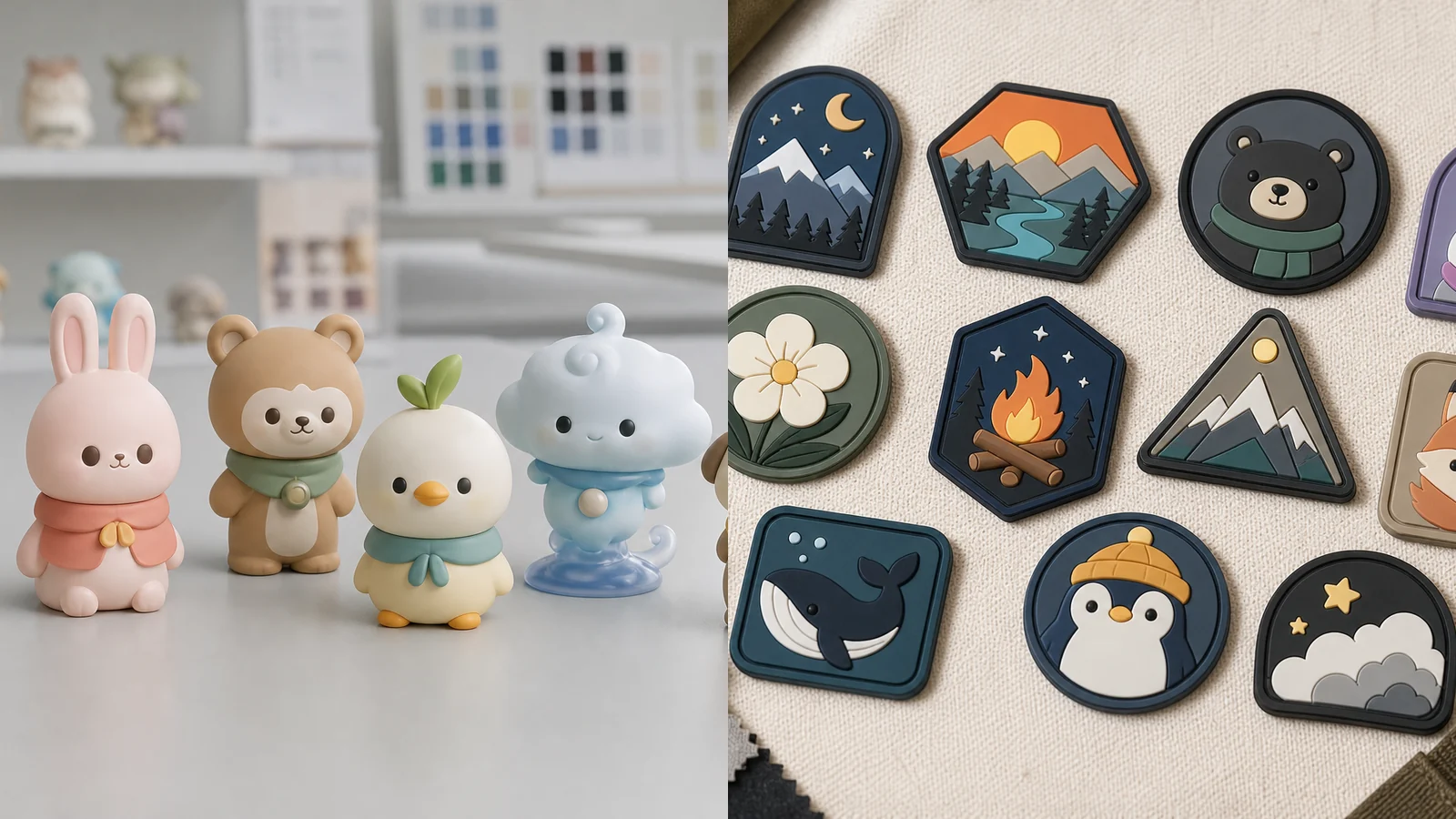
Quick Selection Checklist
Clarify these points early to decide whether sofubi or rubber goods fit the project better.
| Better for sofubi | Better for rubber goods | Confirm this | |
|---|---|---|---|
| Depth | Rounded 3D forms, display items, collectible presence | Flat or semi-3D logos, patches, straps, tags | Is a front view enough, or should it work from all angles? |
| Touch and thickness | Soft volume and a stronger hand-held presence | Light, flexible, attachable, thinner format | Target thickness, hardness, and flexibility |
| Cost and MOQ | Higher impact from sculpting, mold, paint, and sample rounds | Easier color and SKU expansion in many cases | Quantity tiers and SKU-level quantities |
| Use case | Figures, mascots, desk display, limited goods | Keyrings, patches, labels, bag/apparel parts | Sales channel, target age, use environment |
| Inspection focus | Shape distortion, paint, standing balance, assembly | Color bleeding, burrs, thickness, backing, attachment strength | Approved sample and defect criteria |
Sofubi and Rubber Goods Comparison
For OEM planning, compare the product structure instead of deciding only by the name.
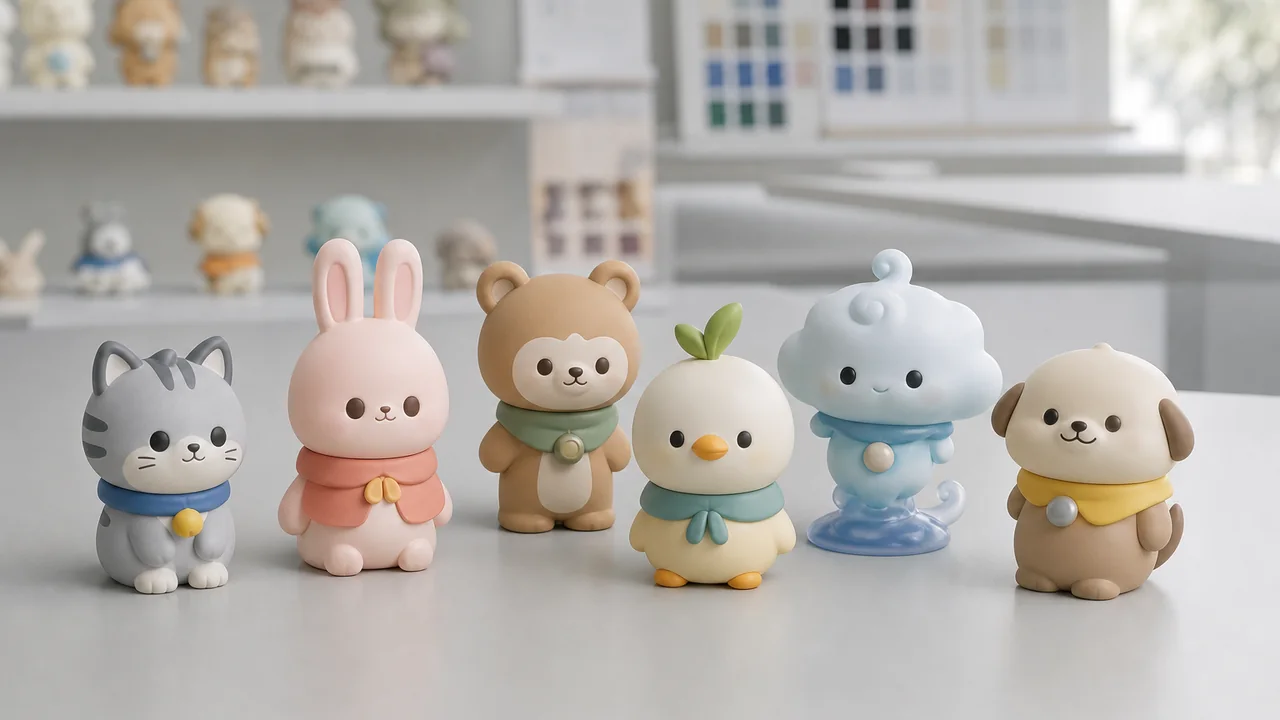
Look at Product Structure, Not Only Material Name
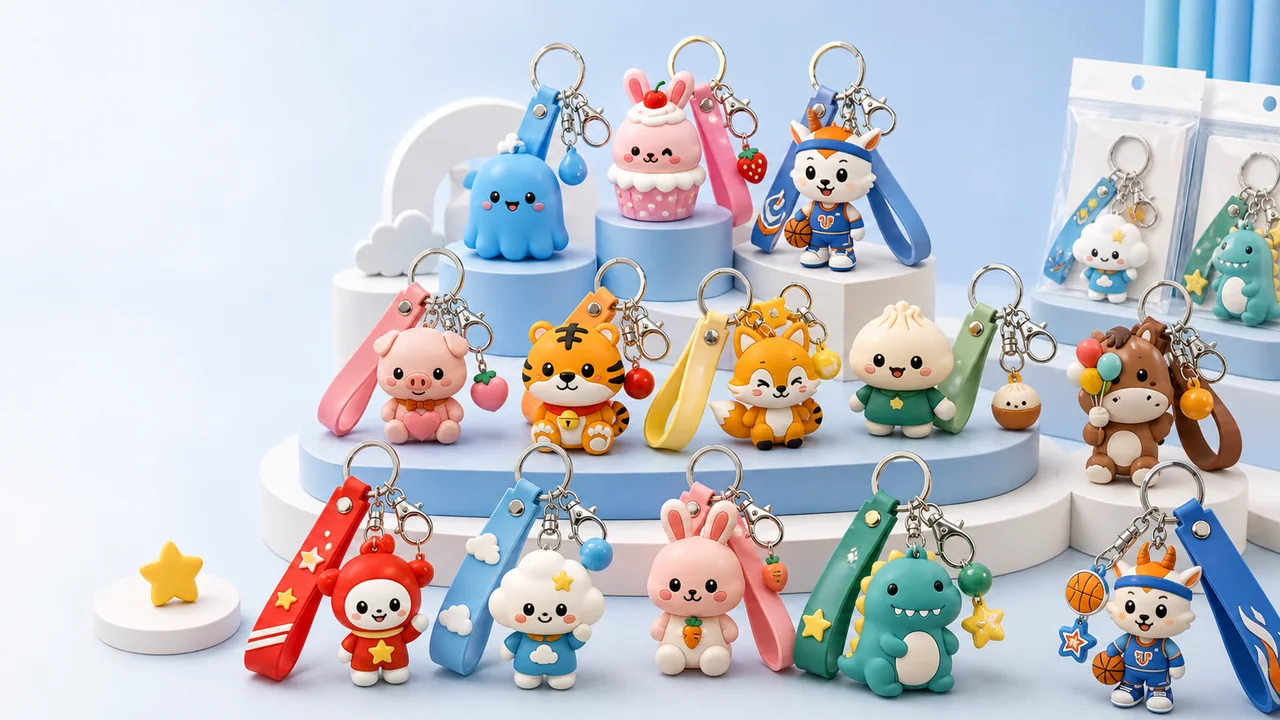
Sofubi is generally used for rounded 3D soft-vinyl style products. Rubber goods often refer to flat or semi-3D soft PVC parts such as patches, keyrings, labels, and straps. Both may be PVC-based, but the mold, finishing, and inspection points are different.
- A 3D product and a flat or semi-3D product require different production planning
- Sofubi needs careful sculpting, mold, color, balance, and assembly checks
- Rubber goods depend heavily on thickness, hardness, color count, backing, and attachment method
- For quotation, share the finished product type and use case together with the material preference
Some projects requested as sofubi can be solved with a rubber keyring. On the other hand, a product that needs strong 3D presence may look underwhelming if made as a flat rubber item.
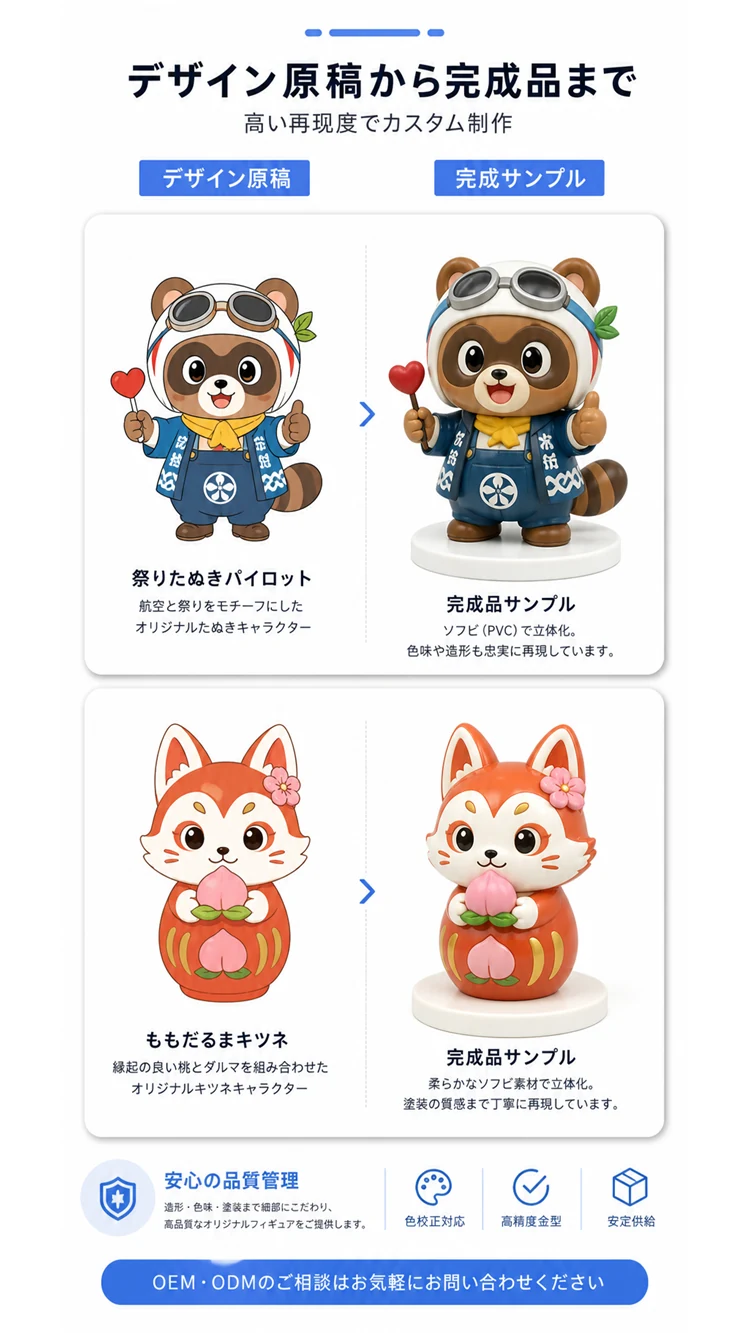
When Sofubi Is the Better Choice
Sofubi is useful when the product itself needs a strong physical presence. It works well for display goods, limited items, mascots, and collectible series where shape and character expression matter.
- The design must work from the side, back, and base, not only from the front
- The project needs a higher perceived value as a limited or collectible product
- Clothing, small parts, pose, and base details need to be reproduced in 3D
- The buyer can approve sculpting and color samples before mass production
Sofubi can express product charm strongly, but it adds more decisions around sculpting, mold, painting, and assembly. Fixing the approved sample before production is essential.
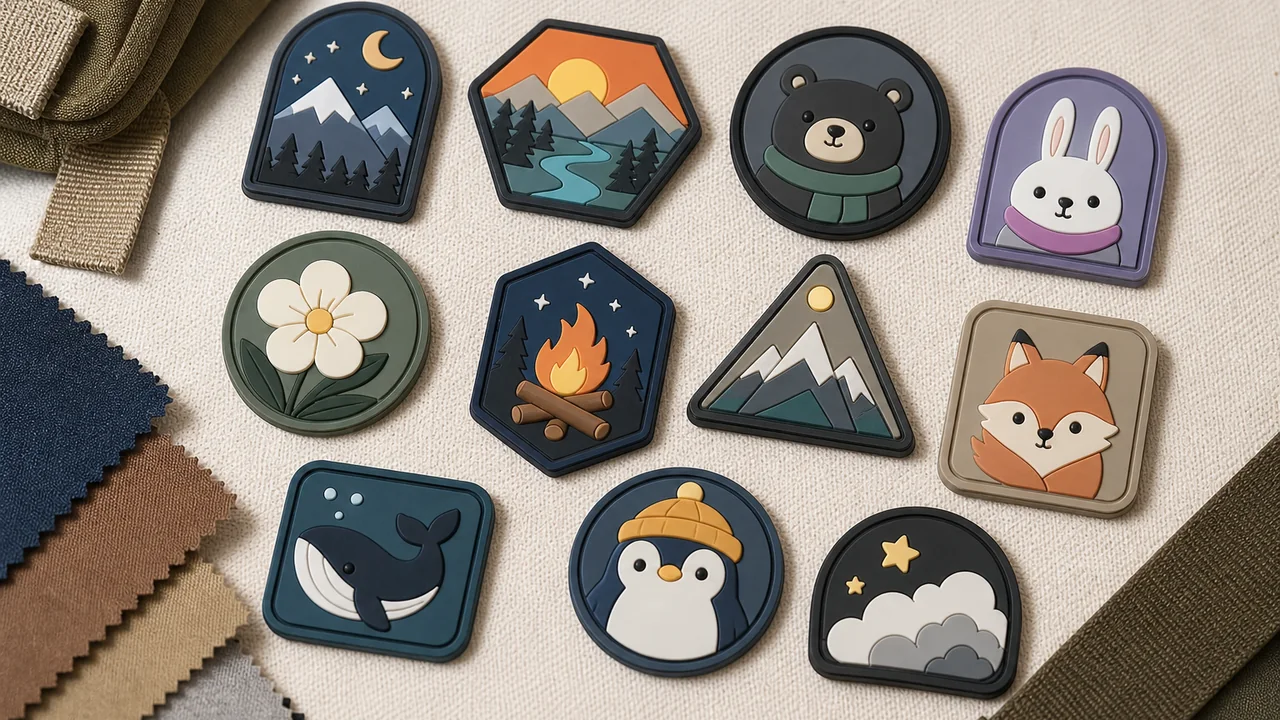
When Rubber Goods Are the Better Choice
Rubber goods work well when the design can be expressed with flat or shallow raised areas. They are practical for logos, event goods, bag parts, apparel attachments, and lightweight novelty items.
- The project needs clear logos, color blocks, letters, and raised borders
- The product format is a keyring, patch, tag, label, or strap
- The plan includes many color or shape variants
- Backing options such as sewing, hook-and-loop, metal fittings, or adhesive need to be selected
Rubber goods are not simply a cheaper alternative. Their value is lightness, flexibility, and easy attachment, so design should consider bending, rubbing, and pulling during use.
Quotation Factors That Change
Even at the same quantity, sofubi and rubber goods have different cost drivers. Sofubi is affected by sculpting, mold, paint, and assembly. Rubber goods are affected by mold area, thickness, color count, backing, fittings, and packaging.
- Sofubi: sculpting fee, mold fee, painted sample, assembly labor
- Rubber goods: size, thickness, color count, raised levels, backing process
- Shared factors: SKU count, quantity tiers, packaging, inspection, delivery terms
- For both, provide reference images, dimensions, and target quantity at quotation stage
When comparing prices, separate product unit price, sample fee, mold fee, packaging, inspection, and logistics conditions in the same sheet.
Sample Approval and SKU Management
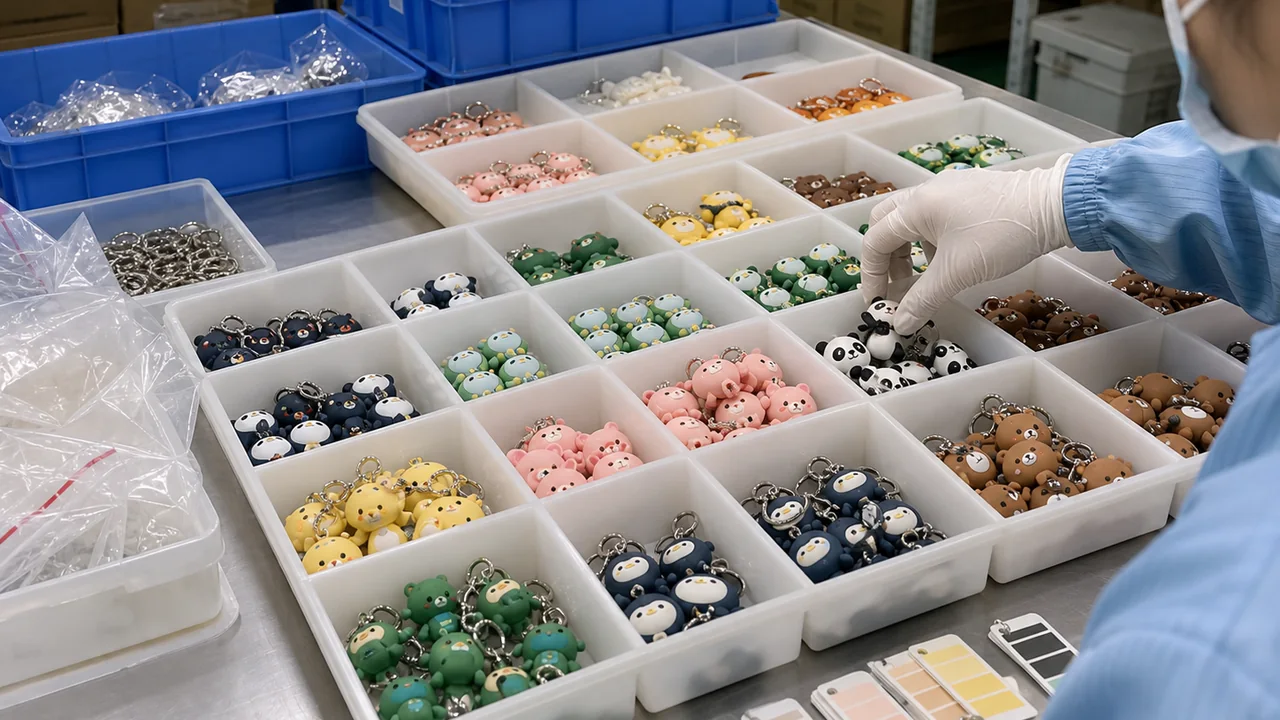
For sofubi, approval usually focuses on sculpting, color, balance, and assembly position. For rubber goods, check thickness, hardness, raised detail, color bleeding, backing, fittings, and sewing or attachment compatibility.
- For sofubi, confirm sculpting, color references, painted areas, and balance
- For rubber goods, confirm thickness, hardness, burrs, backing, and pull strength
- List SKU quantity, color, hardware, and packaging by item code
- Record approved details with photos, dates, and item numbers
If both formats are produced for the same series, keep color references and general QC criteria aligned while separating defect criteria by product type.
Six Checks Before Fixing the Specification
Start from sales method and use environment, not only from visual style.
Retail price
Use sofubi for higher-value limited items and rubber goods for larger-volume affordable items.
- Retail price
- Quantity
- Channel
Use environment
For bags, apparel, outdoor use, and keys, consider rubbing, bending, and pulling.
- Abrasion
- Water
- Pull strength
Size feeling
Decide whether the product should feel substantial in the hand or stay light and attachable.
- Height
- Thickness
- Weight
Color expression
Sofubi relies more on painting; rubber goods rely more on filled colors and separated color areas.
- Color sample
- Border lines
- Color count
Packaging
Retail, event, and e-commerce sales require different protection, labels, and backing cards.
- OPP bag
- Backing card
- Barcode label
Compliance
Toy, apparel attachment, and promotional-gift uses may require different checks by market.
- Target age
- Sales region
- Test documents
Recommended Direction by Project Type
Use this as an initial guide. Final specification should be adjusted by size, quantity, color count, sales region, and budget.
| Project type | Likely format | Pre-production attention |
|---|---|---|
| A character should stand as a display item | Sofubi figure or desktop mascot | Sculpting, balance, paint, and base design |
| A logo or event graphic needs volume distribution | Rubber patch or PVC keyring | Thickness, color count, fittings, and packaging cost |
| The item attaches to a bag or apparel | Rubber tag, patch, or hook-and-loop patch | Backing, sewing or heat press, abrasion testing |
| Many SKUs or random packing are planned | Rubber goods or small PVC charms | SKU table, packing ratio, and mix-up prevention |
| The product needs a gift feel | Sofubi with base, or backing-card rubber goods | Outer box, backing card, barcode, QC criteria |
| Short lead time with more shapes | Rubber goods using a shared structure | Shared mold planning, color change, shared packaging |
Packaging Affects Product Value and Inspection
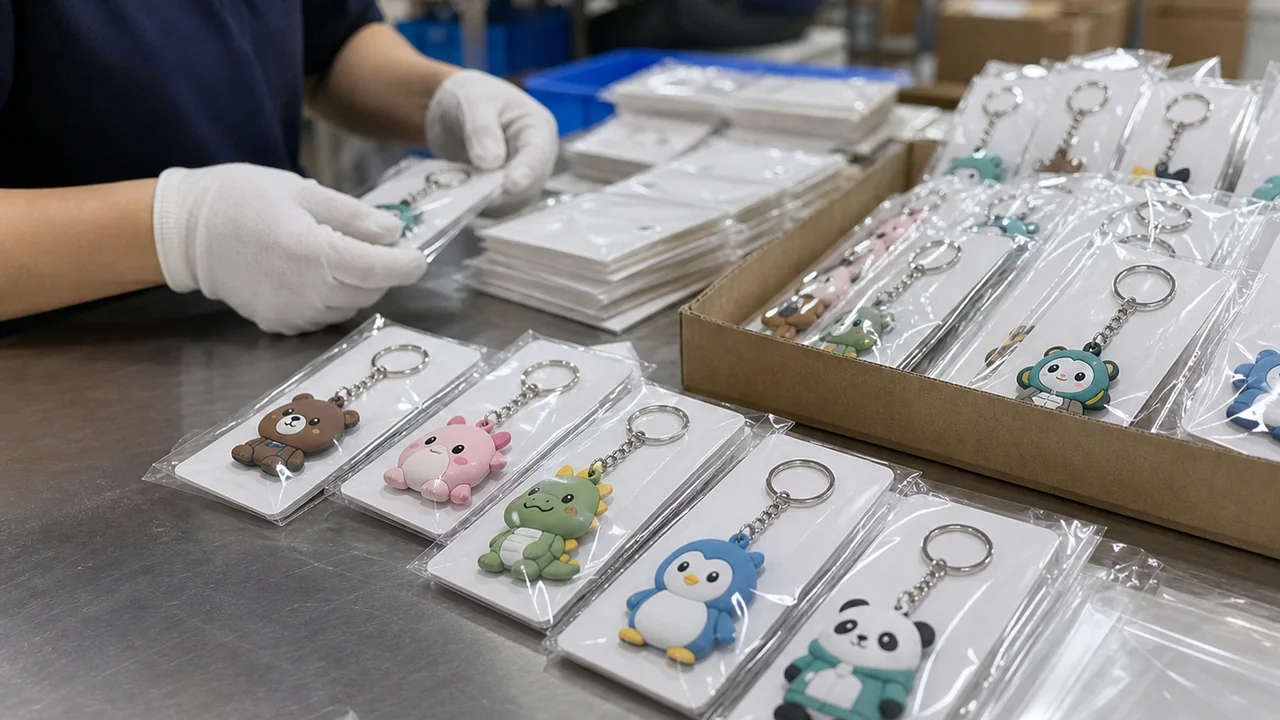
For sofubi, boxes, blisters, bases, and protective materials affect presentation and shipping safety. For rubber goods, OPP bags, backing cards, barcode labels, hang holes, and set-packing should match the sales format.
- Separate packaging for retail, e-commerce, and event sales
- Decide SKU labels and carton quantity early
- Approve packaging samples before mass production
Final Checklist Before Inquiry
Prepare the following to decide between sofubi and rubber goods and to start quotation smoothly.
- Finished image, reference images, and use case
- Sofubi preference, rubber goods preference, or undecided status
- Size, thickness, PVC hardness, and 3D / semi-3D expectation
- Color count, PANTONE / DIC, and physical color references
- Quantity, SKU count, color and shape variation breakdown
- Fittings, hook-and-loop, sewing, base, or other attachment details
- Packaging, barcode label, carton, and delivery conditions
- Target age, sales region, and required tests or compliance documents
Unsure Whether Sofubi or Rubber Goods Fit Better?
Send your design image, target quantity, use case, and sales format. We can help organize whether a sofubi product or rubber-goods format is more suitable before quotation.