
How to Manage PVC Blind Packaging for Lottery and Event Merchandise
For PVC lottery prizes, random merchandise, and event goods, product quality is only one part of the job. Blind packaging also requires fixed insertion rules, SKU control, mix-up prevention, carton labeling, and pre-shipment inspection. This guide explains how to manage blind packaging for PVC keyrings, bag charms, magnets, mini figures, and similar custom goods from quotation preparation to shipment.
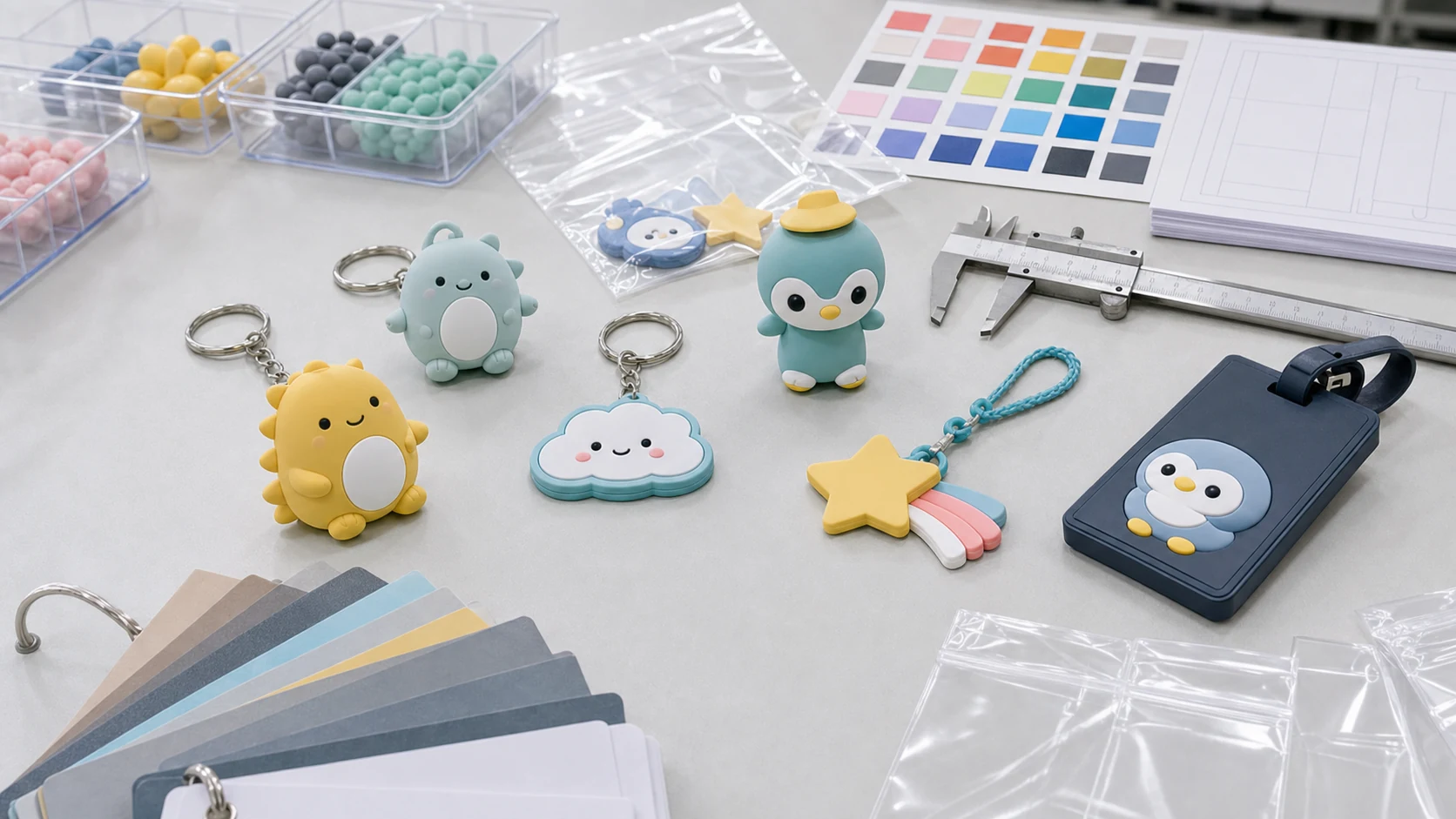
Pre-Production Checklist for Blind Packaging
To prevent insertion mistakes and event-site confusion, manage packaging, labels, cartons, and inspection rules in one shared specification set.
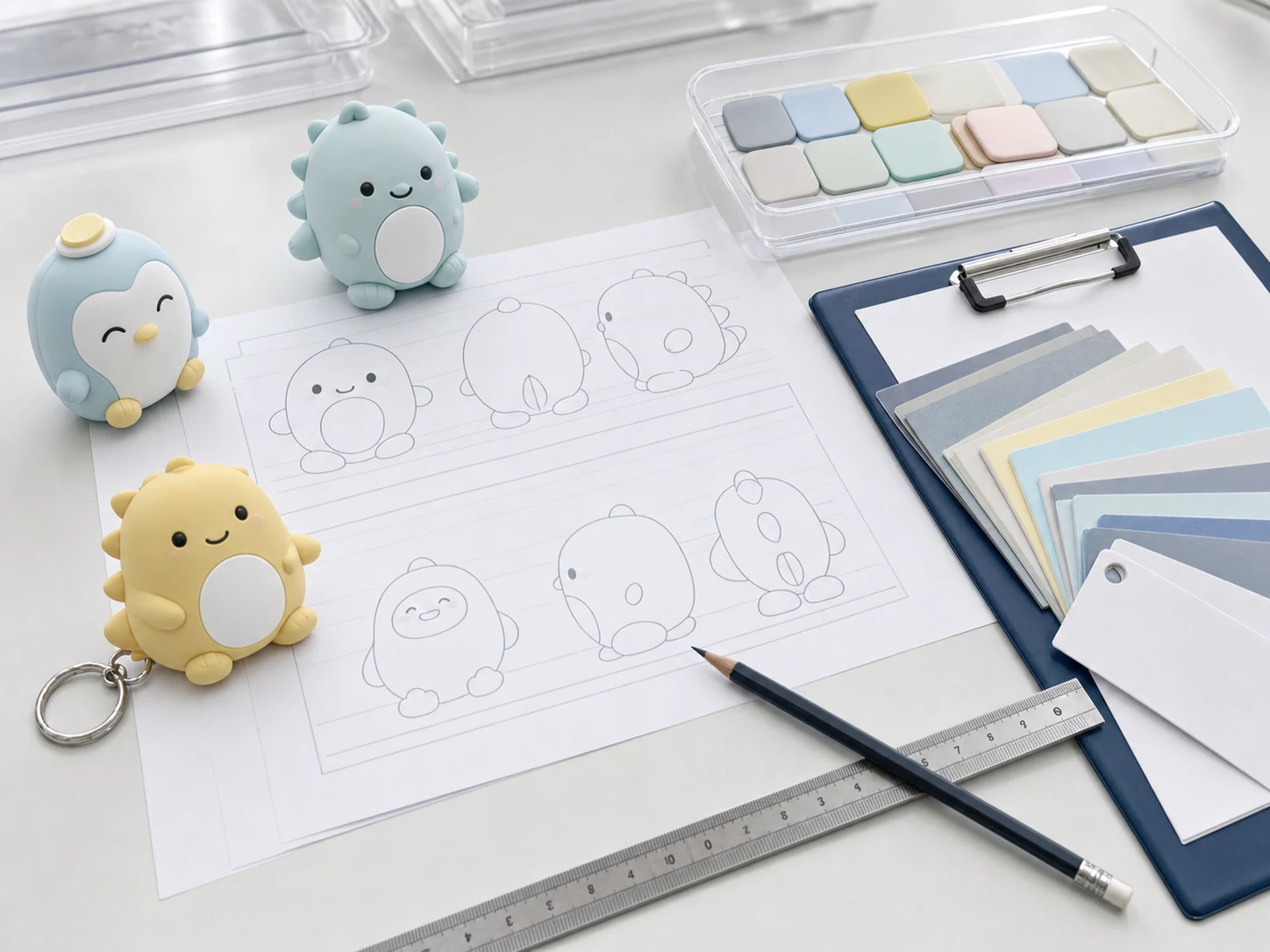
Define the Sales Format Before Packaging
Blind packaging is not just a bag that hides the product. Lottery prizes, random single-item sales, and event-limited goods all require different control rules for insertion ratio, carton separation, replenishment, and event-site handling.
- State whether the item is a lottery prize, random sale, set sale, or event-limited product
- Reflect secret, rare, and standard item ratios in the purchase order and SKU master
- Decide whether ratios are fixed by carton or randomized across the whole production lot
- Design cartons so the event team does not need to re-sort goods on site
If the sales format is unclear, factories may package correctly at item level but still create carton bias or event-site handling problems.
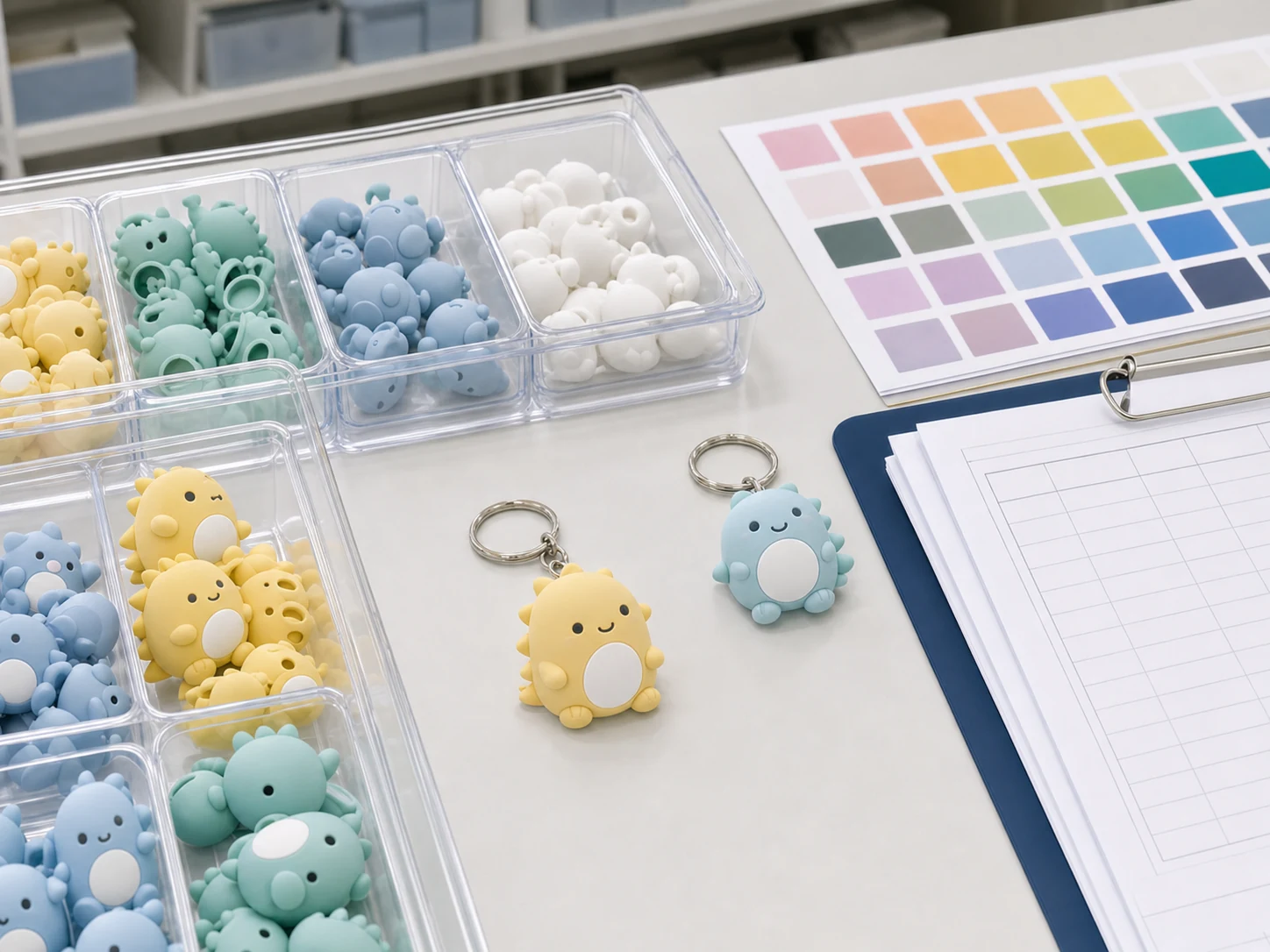
Fix Item Codes, Artwork, and Quantity in a SKU Master
Many blind packaging workflows require workers to identify the product before sealing. A SKU master that connects artwork, quantity, insertion ratio, bag code, and carton number helps prevent mix-ups and makes shipment checking easier.
- List SKU name, artwork name, tier, quantity, bag code, and barcode requirements
- Treat color, expression, attachment, or finish changes as separate SKUs
- Separate spare units, inspection units, and archive samples from production quantity
- Keep the SKU master version aligned with purchase orders, approved artwork, and QC sheets
Sales, design, factory, and QC teams should all work from the same SKU master version. Record the date and reason whenever changes are made.
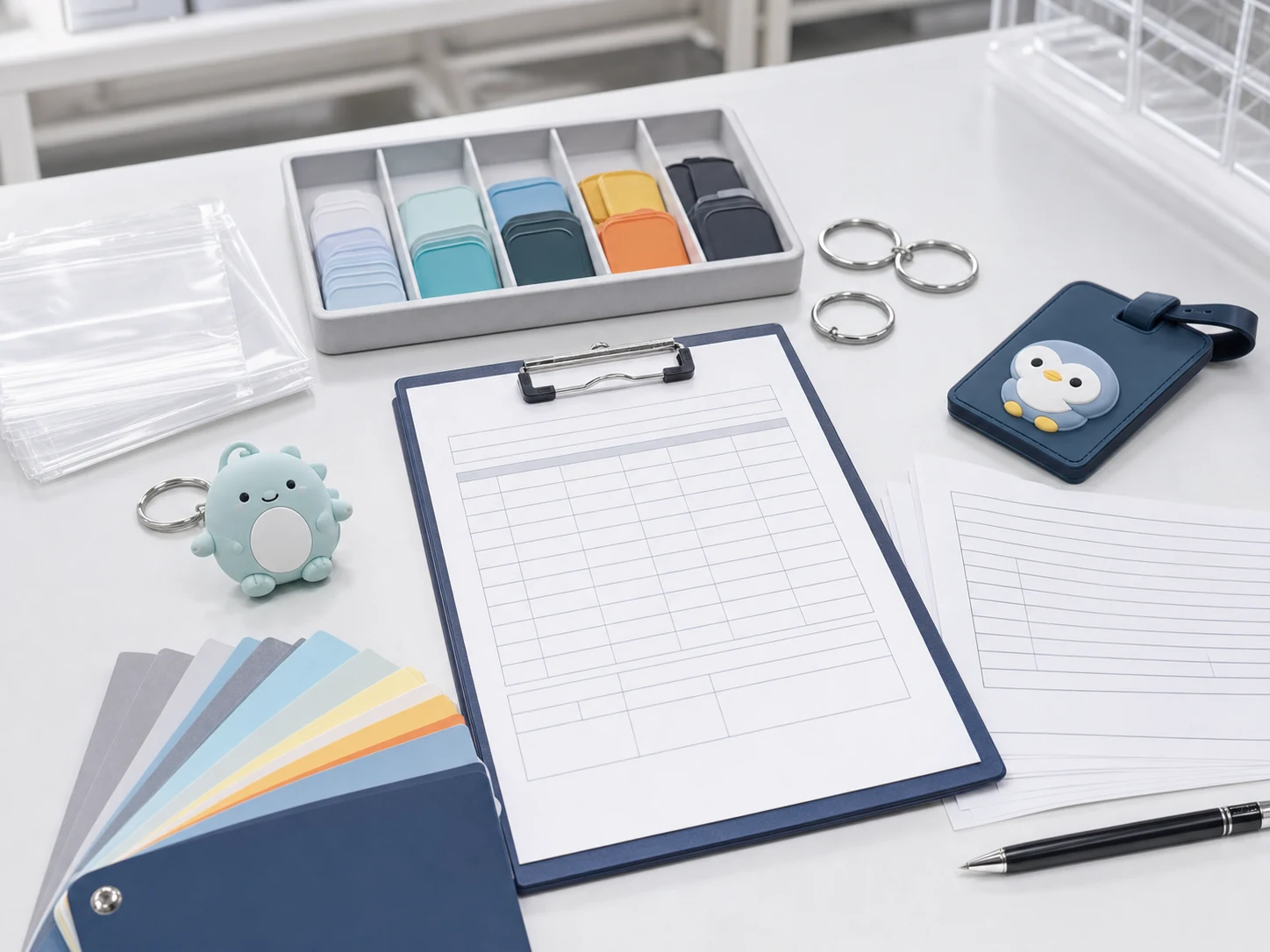
Manage Bag, Backing Card, Label, and Carton Specs Separately
Blind packaging needs both consumer-facing design and hidden production control. Even when the outer bag should not reveal the artwork, factories and inspectors still need bag codes, carton numbers, and shipment lists for traceability.
- Define bag material, size, seal width, air release, and hang-hole requirements
- Confirm backing card, warning text, barcode, country of origin, and age label
- Keep hidden control codes traceable through carton labels and QC documents
- Fix inner carton quantity, master carton quantity, weight, and carton dimensions
If bags are produced before labels, warnings, or carton quantities are confirmed, later packaging cost and rework are likely.

Approve Mold Samples and Packed Samples Together
Approving the PVC body alone is not enough for blind packaging. Check thickness after packing, rubbing marks, color transfer, metal fitting direction, and interference with backing cards before mass production.
- Review the PVC item, fitting, card, and bag as a finished packed sample
- Check bag breakage, product bulging, rubbing marks, and fitting direction
- Archive approved samples by SKU with photos and lot number
- Define whether later changes require a new sample or photo approval
For event deadlines, sample approval delays can directly affect shipment. Decide the approver and approval deadline at the beginning.
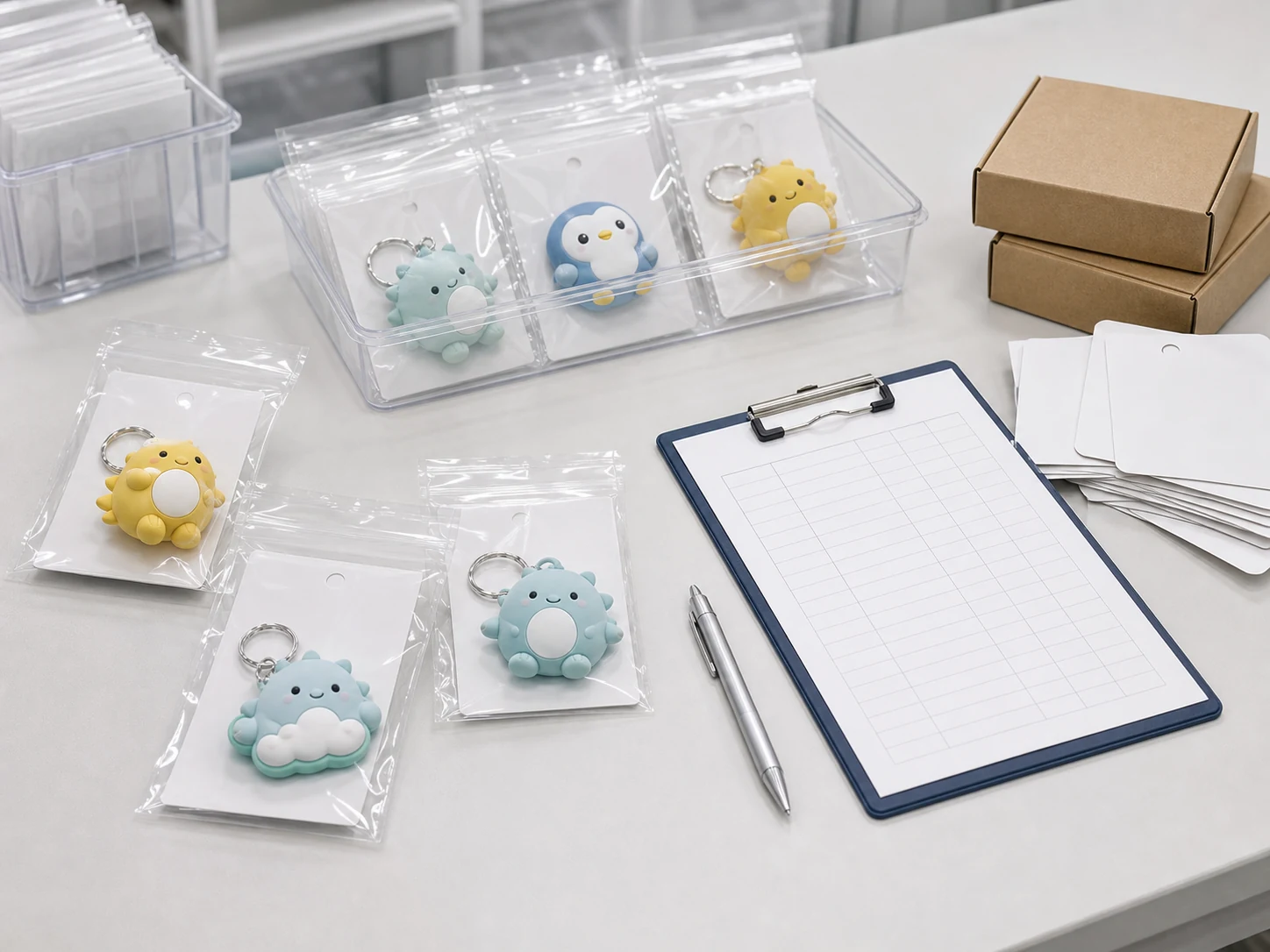
Use a Pre-Production QC Meeting to Fix the Work Flow
Before mass production, align the workflow with the factory, QC team, and sales contact. Decide where each SKU is placed, when workers verify it, and when sealed bags can be reopened.
- Separate work zones, tray colors, and labels by SKU
- Set three checks: before insertion, after insertion, and before carton packing
- Prepare carton-level check sheets if ratios must be controlled by carton
- Document how defective units, spare units, and spare bags are handled
Once a blind bag is sealed, the item inside is harder to verify. More checks before sealing reduce rework later.
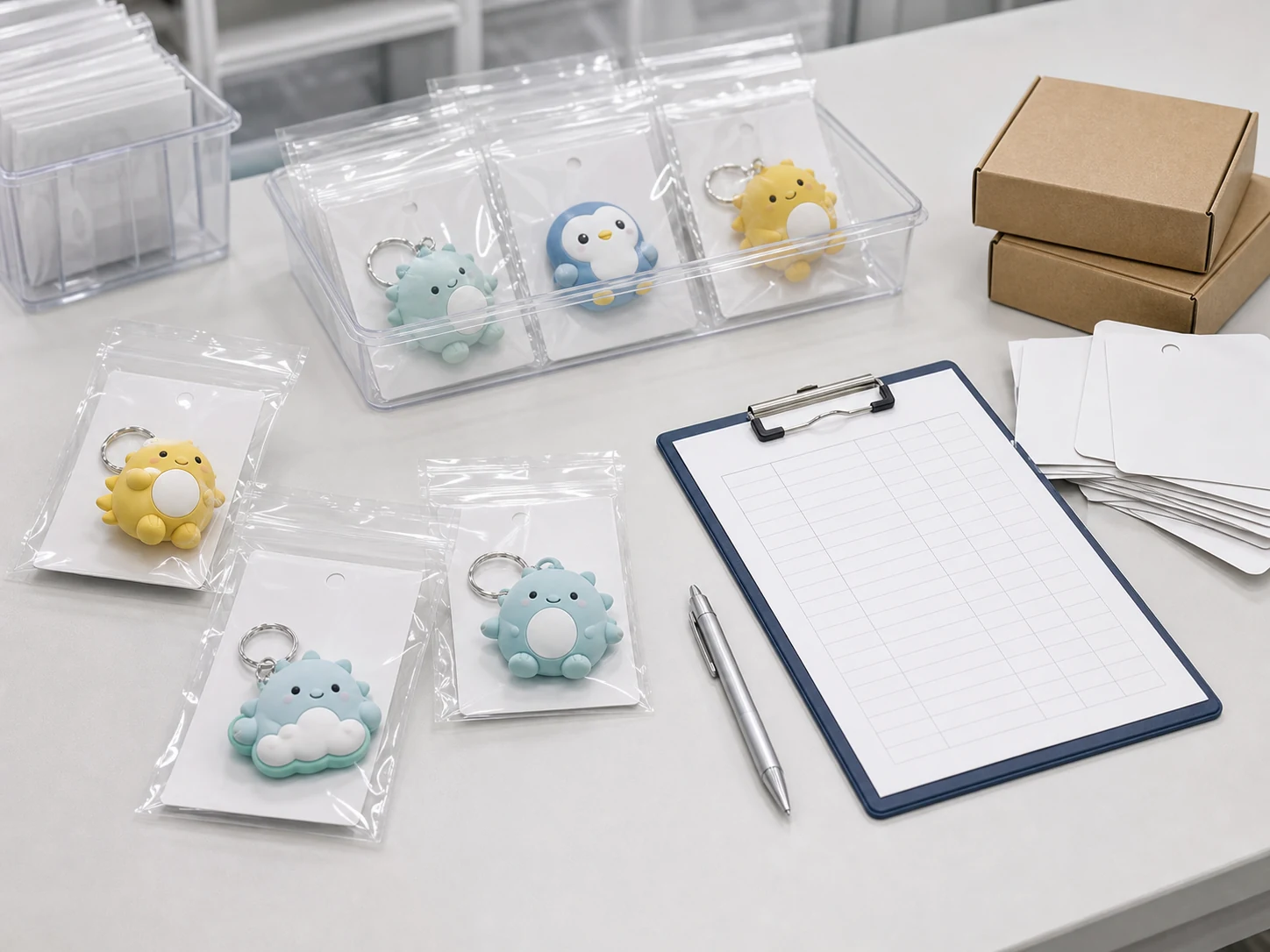
Control Cartons by Destination Before Shipment
At event sites, there is often little time to open cartons and re-sort goods. Before shipment, confirm carton labels, carton numbers, quantities, weight, insertion photos, and destination separation.
- Show carton number, total cartons, SKU range, destination, and lot number on carton labels
- Use carton weight differences to catch shortage or wrong insertion early
- Keep photos of outer bag, inner carton, master carton, and sealing condition
- Split shipping instructions for event delivery, warehouse delivery, or partial shipment
A clear carton label and shipment list let the receiving team understand the content range without opening every carton.
Operating Rules That Prevent Mix-Ups
Blind packaging issues often come from missing operating rules rather than the product design itself.
Trial run
Run a small lot through insertion, sealing, and carton packing before mass production.
- Trial qty
- Work time
- Repack rate
Insertion ratio
Keep rare and tier ratios identical across purchase order, SKU master, and packing sheet.
- Tier quantity
- Carton ratio
- Spare qty
Work zones
When multiple SKUs are handled, separate tray colors, tables, workers, or time slots.
- Color trays
- SKU labels
- Worker log
QC criteria
Judge PVC item, printing, fitting, bag scratches, seal angle, and card shift as separate checks.
- Appearance
- Sealing
- Quantity
Compliance
Confirm sales region, age label, warning text, origin label, material label, and test needs.
- Age label
- Origin
- Test report
Change control
For artwork, quantity, or bag changes, record approver, date, and affected scope.
- Change log
- Version
- Re-approval
Common Blind Packaging Problems and Controls
To keep the random experience while controlling production, separate hidden internal tracking from carton information used by sales and event teams.
| Risk | Common Cause | Control to Set Early |
|---|---|---|
| SKU mix-up | Tray swap or unmanaged bag code before insertion | SKU master, color trays, pre-insertion check |
| Ratio error | Carton-level assortment rule is not fixed | Packing sheet, tier quantity, weight check |
| Bag breakage | Product thickness, fitting direction, or bag size is not checked | Packed sample, bag size, rub test |
| Label issue | Barcode, warning, or origin mark is added late | Packaging spec, sales region check, label approval |
| Receiving confusion | Carton number or destination is not visible | Carton label, shipping instruction, carton photos |
| Re-opening loss | Item verification is needed after sealing | Pre-sealing QC, sampling rule, defect replacement rule |
Materials to Share Before Inquiry
These materials help quotation, sampling, and pre-production checks move faster for PVC blind packaging projects.
- Product image, size, thickness, PVC hardness, and fitting specs
- SKU master, artwork list, quantity, and insertion ratio
- Bag, card, barcode, warning text, and carton specifications
- Sales format, destination, event date, and target delivery date
- Sample approval method and responsible approver
- QC criteria, sampling quantity, and photo report format
- Carton numbers, partial shipment, event delivery, or warehouse delivery conditions
Need Help Organizing PVC Blind Packaging Specs?
Even if SKU count, insertion ratio, packaging, or destination details are not fixed yet, we can help organize the control points before mass production. If you are planning PVC goods for lottery prizes or event merchandise, send your artwork and target quantity to start the discussion.