English OEM guide
Fabric selection changes the face expression, hand feel, color impression, durability, and perceived value of a plush toy. This guide turns the original page into a clearer buyer checklist for plush OEM projects.
1. Fabric determines the character's expression
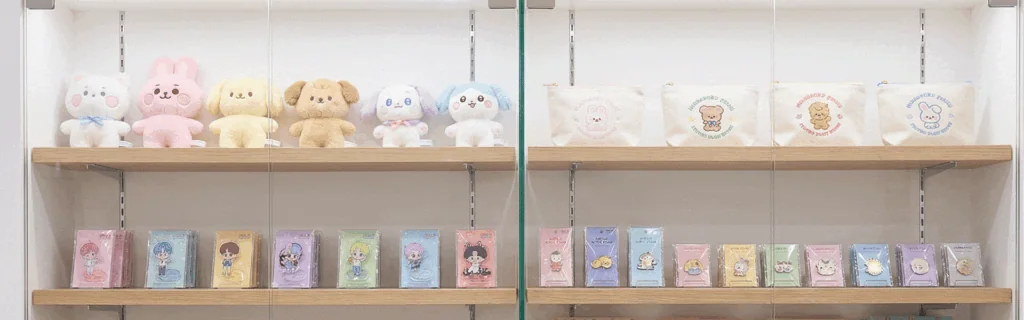
The same character can feel cute, premium, soft, or flat depending on fabric pile, density, color, and embroidery compatibility. Fabric should be selected together with the pattern and face-expression sample, not only from a material list.
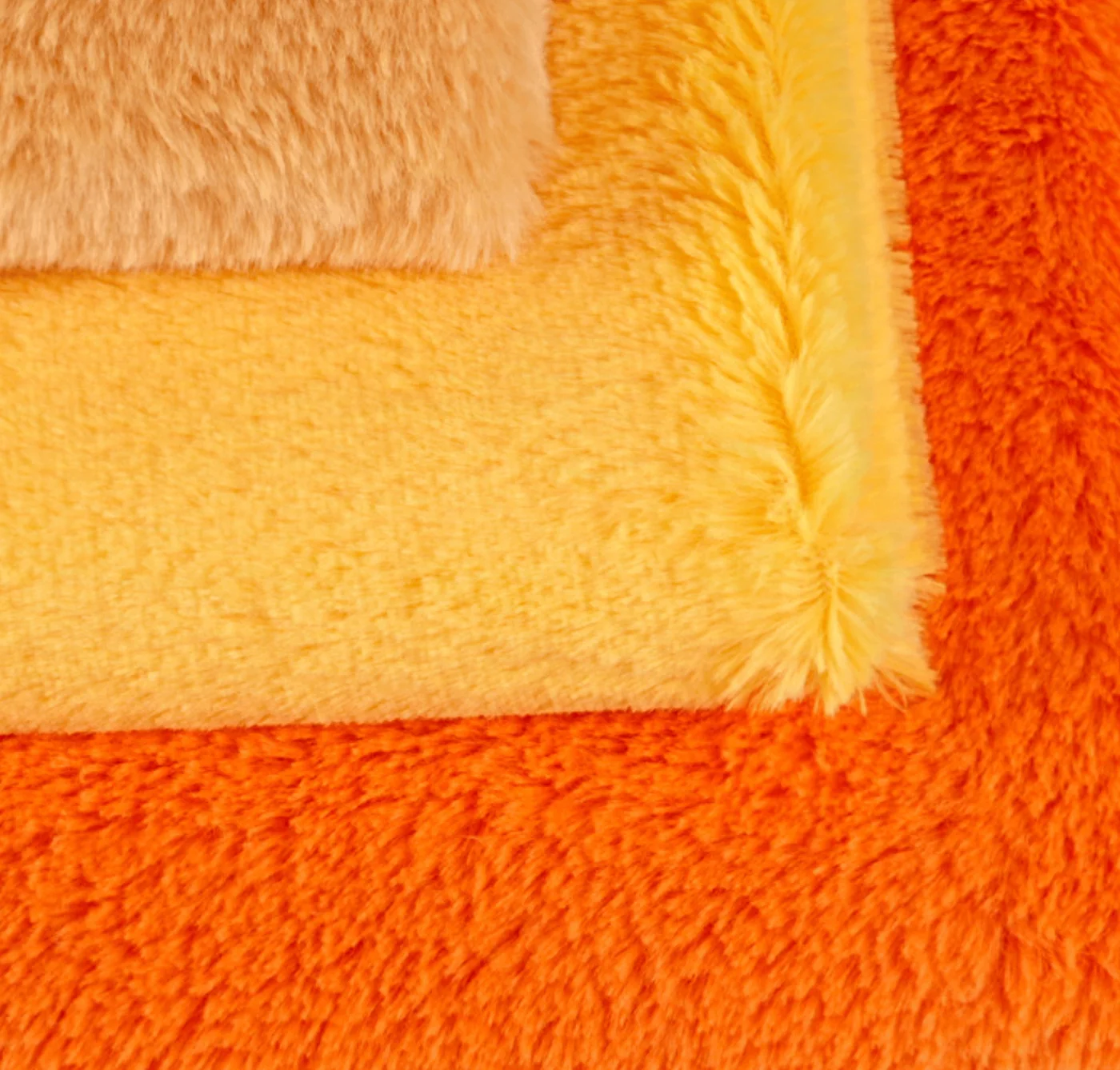
- Short-pile fabrics show printed or embroidered details more clearly.
- Longer pile gives softness but can hide small facial features.
- Dense premium fabrics improve hand feel but may raise unit cost.
2. Match fabric to the product use scene
A plush mascot keychain, a 20 cm character plush, and a premium collector doll require different fabric choices. Buyers should decide whether the priority is softness, shape retention, vivid color, washable feel, or premium texture.
- Mascot keychains need durability and shape stability.
- Collector plush toys need accurate expression and premium touch.
- Event goods often need balanced cost and repeatable color.
3. Use swatches and sample photos to avoid wrong expectations
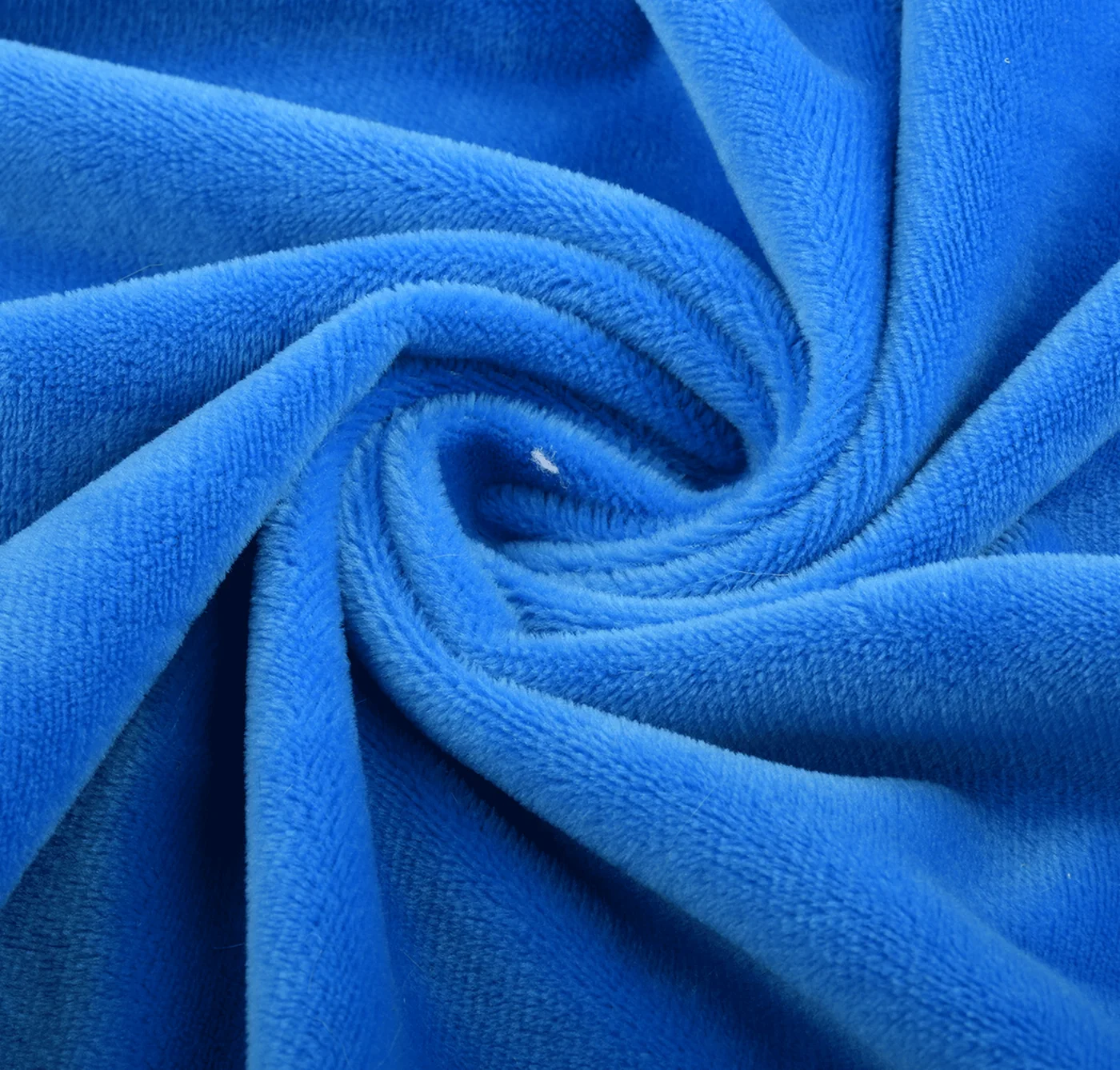
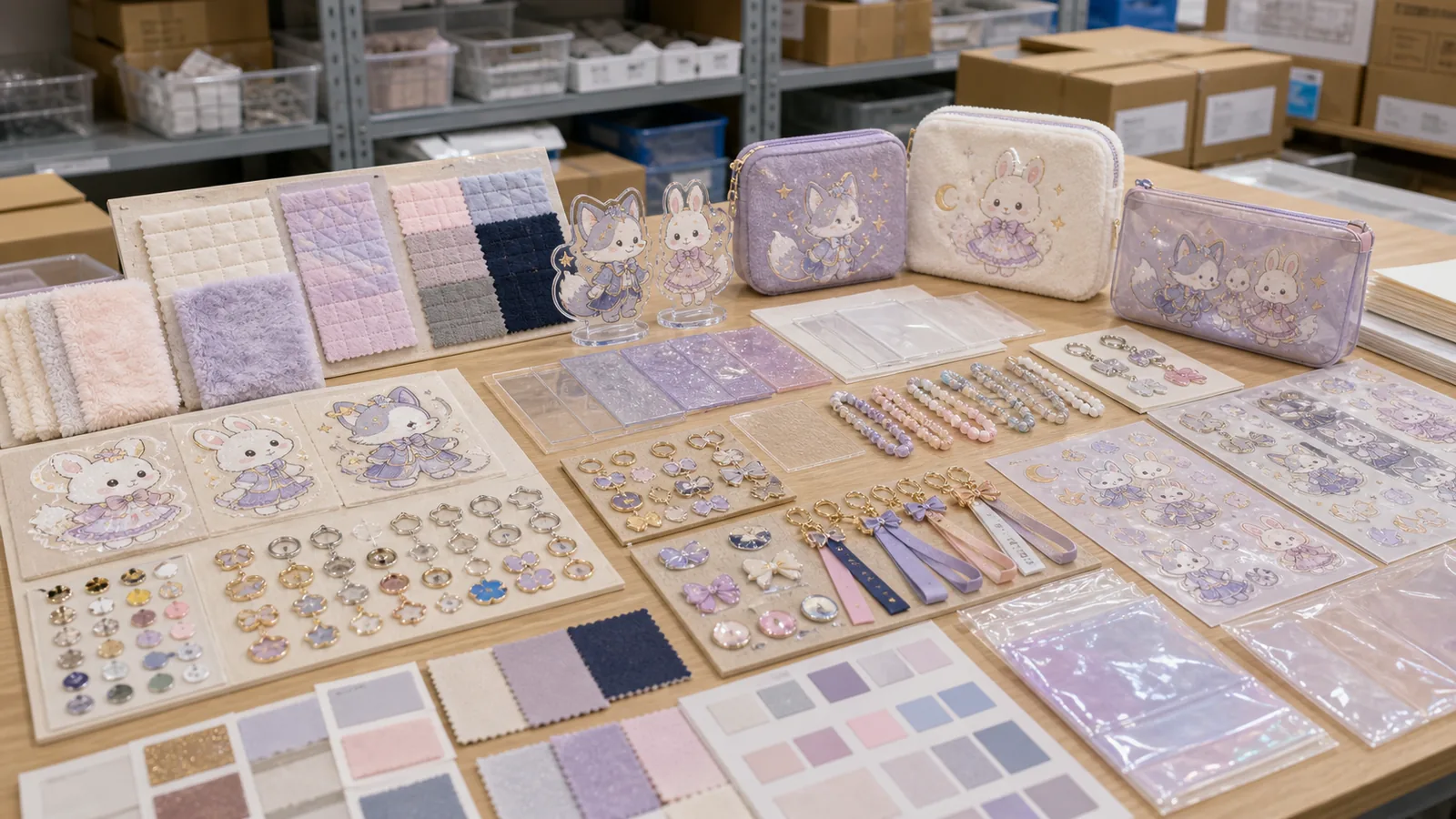
Fabric names vary by supplier, and translated material names can be confusing. The safer workflow is to compare real swatches, confirm the selected fabric code, and then approve a sewn sample under the same lighting condition used for review photos.
- Record fabric code, color code, pile direction, and backing type.
- Check embroidery and applique compatibility.
- Approve the sample after stuffing and final sewing, not before.

Fabric selection checklist
| Character face | Pile length, embroidery visibility, applique compatibility, and expression accuracy. |
|---|---|
| Hand feel | Softness, density, stretch, and premium impression. |
| Production | Cutting stability, sewing tolerance, color consistency, and supply availability. |
| Packaging | Compression risk, hair direction after packing, and final presentation. |
Production image modules
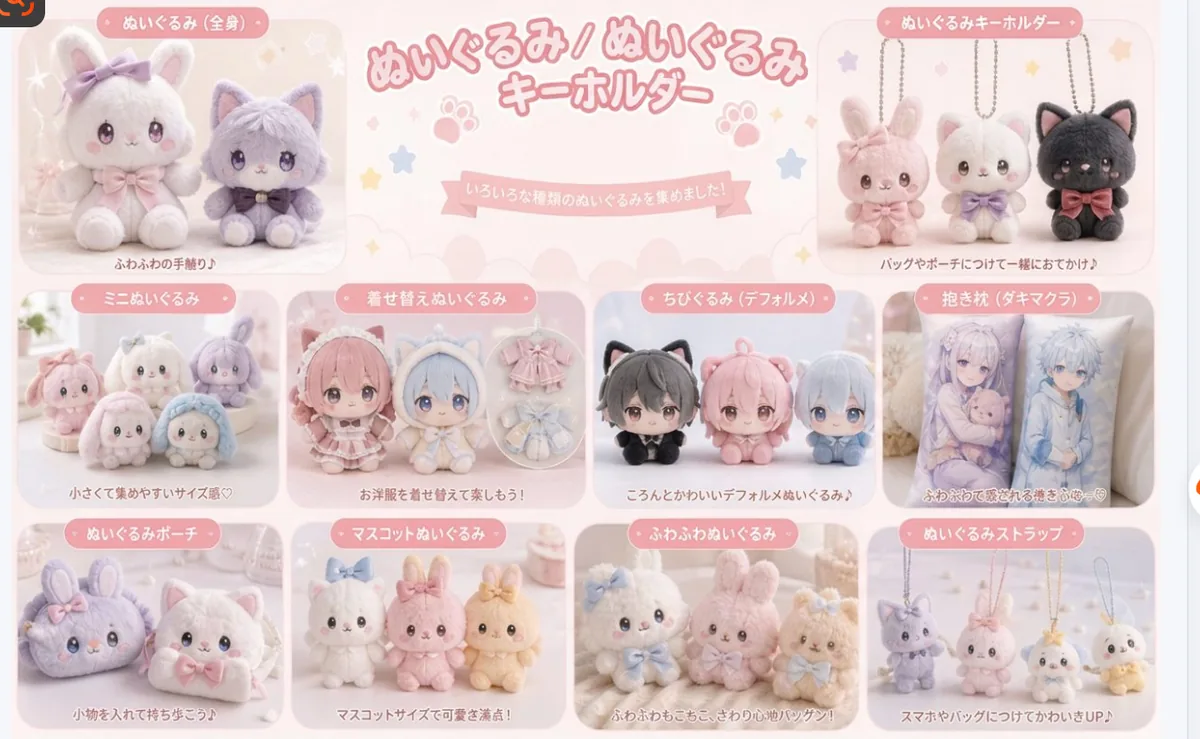
FAQ
Can fabric be chosen only from photos?
Photos are useful for narrowing choices, but final approval should use swatches and a sewn sample.
What if the target fabric is too expensive?
A supplier can propose a similar texture with a different pile length, density, or blend to balance cost and appearance.
Should fabric be approved before the plush sample?
Approve a swatch first, then approve the sewn sample because the final expression changes after cutting, sewing, and stuffing.
Prepare a practical OEM quote package.
Send artwork, size, quantity, packaging method, destination, and target delivery date. The reply can focus on feasibility, sample flow, and cost drivers instead of generic estimates.