
A practical guide to structure, materials, production methods, and USD reference prices for custom plush hybrid figures.
Introduction
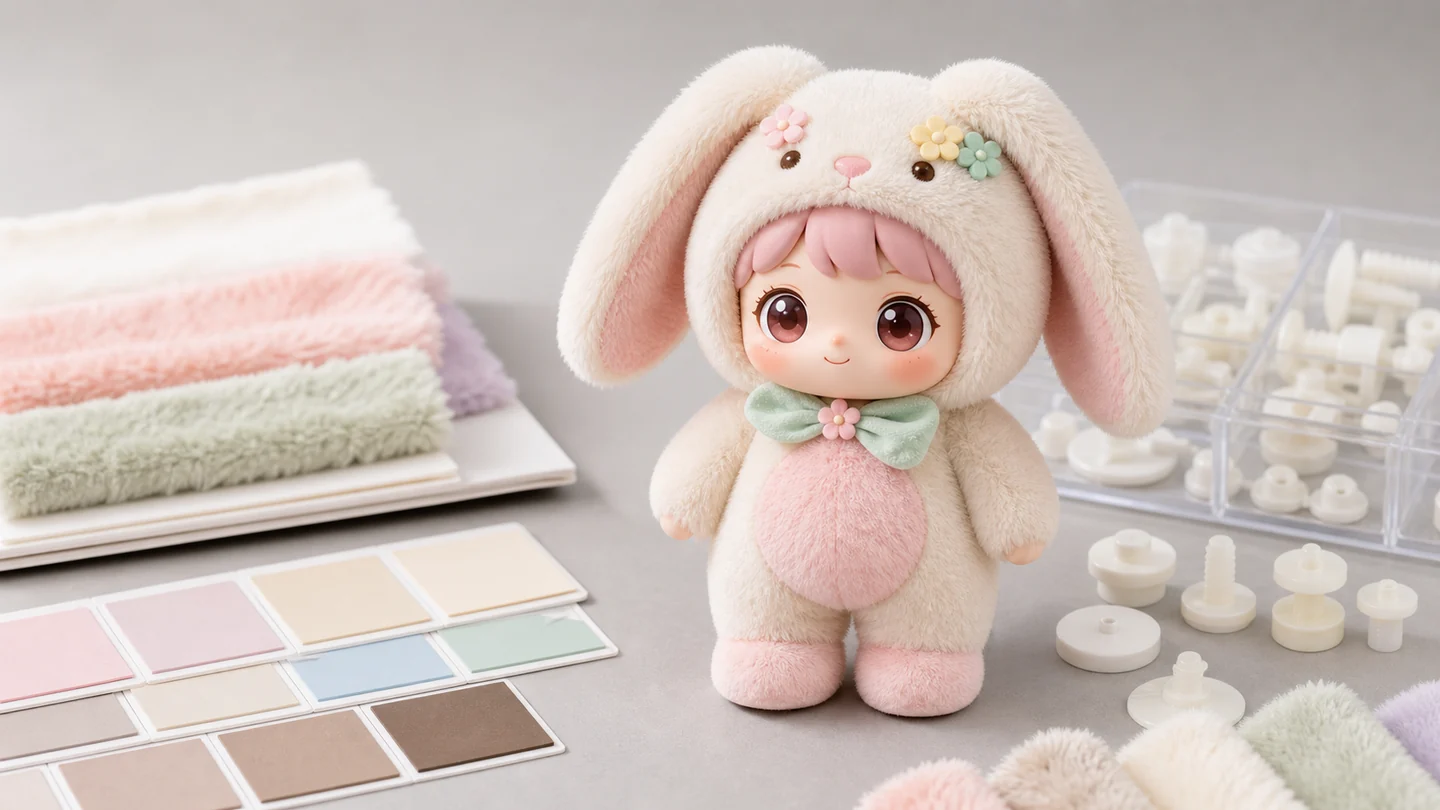
Hybrid figures that combine a smooth PVC sofubi face with a soft plush body are often used for character goods, limited novelty items, and collectible toy projects. The product may look simple from the outside, but the quote can change quickly depending on the face material, accessory material, internal support, fabric choice, painting complexity, and packaging.
This guide explains the main cost factors for a PVC sofubi plush figure project for international OEM buyers. Prices are shown as USD reference ranges. Final pricing depends on order quantity, size, color count, inspection standard, packaging method, and shipping terms.
Terminology: PVC Sofubi and PVC Rubber
In this article, the public wording is unified as follows.
| Term | Main Use |
|---|---|
| PVC sofubi | Face parts, head parts, hollow vinyl-style parts |
| PVC rubber | Soft small accessories, flat decorative parts, charms, labels |
| Injection molding | ABS frames, hard small parts, precision parts |
| 3D printing | Shape check, prototype review, small-lot sample validation |
For buyer-facing copy, it is usually clearer to describe the function and texture of each material instead of using factory shorthand. Use PVC sofubi when discussing a hollow or soft-vinyl-like face or head part, and use PVC rubber when discussing soft accessories or flat decorative parts.
Quick Answer: 5 Cost Drivers
The cost of a PVC sofubi plush figure is not decided by size alone. The following points usually have the biggest impact on the quote.
| Item to Confirm | Cost Impact |
|---|---|
| Scope of PVC sofubi parts | A face-only part is usually lower cost than a full head or complex body part. |
| PVC rubber accessories | Charms, flowers, badges, labels, and flat parts add mold and assembly cost. |
| Plush fabric and pile length | Long pile, special fabric, and multiple colors increase material and sewing cost. |
| Connection method | Snap joints, sewing, adhesive, and screw/nut fixing require different tooling and strength checks. |
| Packaging and inspection | Individual boxes, backing cards, tags, labels, and strict inspection raise the finished unit cost. |
If budget control is important, start with a simple structure such as PVC sofubi face + plush body, then add accessories and packaging only where they create clear product value.
How to Fix a PVC Sofubi Face to a Plush Body
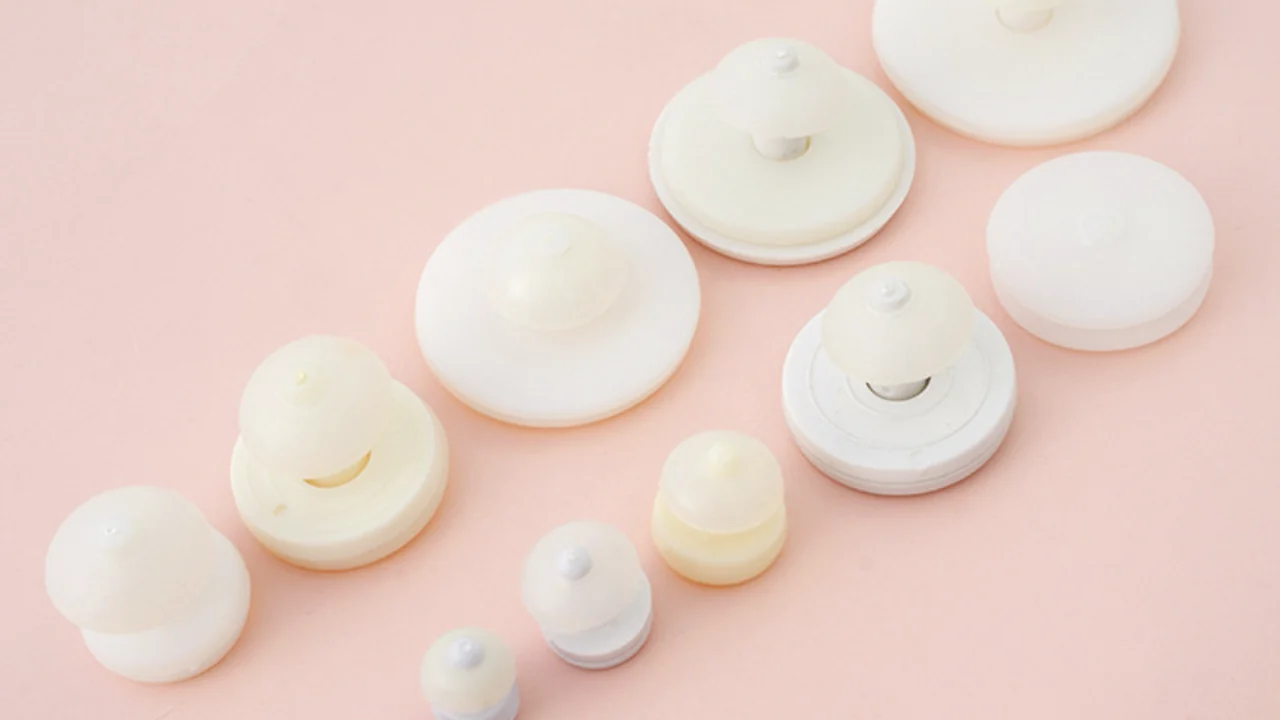
For mixed-material figures, the connection between the hard or semi-hard face part and the plush body is one of the most important quality points. The best method depends on weight, age target, standing requirements, and the way the product will be handled.
| Connection Method | Suitable For | Notes |
|---|---|---|
| Snap or claw joint | Stable face plates and production pieces | Mold tolerance and pull strength should be checked early. |
| Sewn wrap-in structure | Plush bodies where the seam should look natural | Confirm seam position, pile direction, and boundary appearance. |
| Hot melt or adhesive fixing | Small accessories and hidden side reinforcement | Check fabric deformation and adhesive marks. |
| Screw and nut fixing | Heavy heads, standing frames, or ABS internal structures | Needs safety and durability confirmation based on target market. |
At sample stage, do not check only the front photo. Review the neck area, back side, fixing plate, seam line, and pull direction. This reduces risks such as head tilt, loose parts, visible seams, or fabric caught in the joint.
Main Production Methods
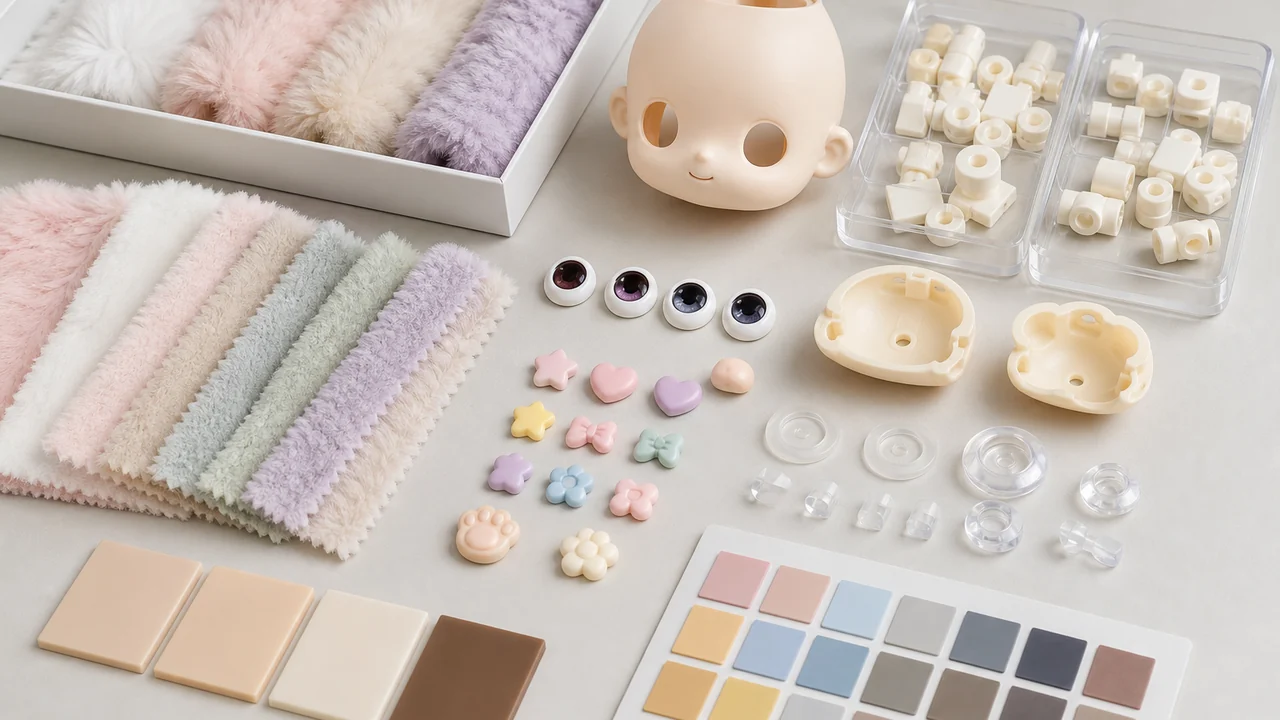
Even within one plush hybrid figure, different parts may require different production methods.
| Method | Use | Feature |
|---|---|---|
| PVC sofubi molding | Face, head, hollow soft-vinyl-style parts | Creates a soft, rounded, collectible impression. |
| Injection molding | ABS frames, hard small parts, precision parts | Strong for dimensional accuracy and mass production. |
| PVC rubber molding | Soft accessories, flat decorations, charms | Good for small flexible parts and decorative details. |
| 3D printing | Prototypes, shape checks, early samples | Useful before mold investment. |
A practical flow is to confirm the shape with 3D printing first, then move to mold development after the design, size, balance, and sample appearance are approved. This is especially helpful when the face curvature, eye position, plush boundary, and standing balance affect the product impression.
Material Selection
The material setup changes depending on the product positioning, target retail price, and display requirements.
| Project Type | Recommended Setup |
|---|---|
| Trend-style plush hybrid figure | Face: PVC sofubi / Body: plush fabric / Internal support: ABS frame if needed |
| Child-oriented item | Soft parts: TPE or TPR may be reviewed / Confirm small part strength and safety needs |
| Limited or premium line | Face: PVC sofubi or silicone-like option / Body: higher-grade pile fabric / Stronger packaging |
| Pre-production sample | 3D printed shape, simple paint, and substitute fabric for early review |
For Japan-facing projects, confirm the target age, retail channel, package display, labeling needs, and required inspection items before finalizing materials. Small PVC rubber accessories should be reviewed carefully because they can affect both safety checks and assembly cost.
USD Reference Prices for 10-22 cm Figures
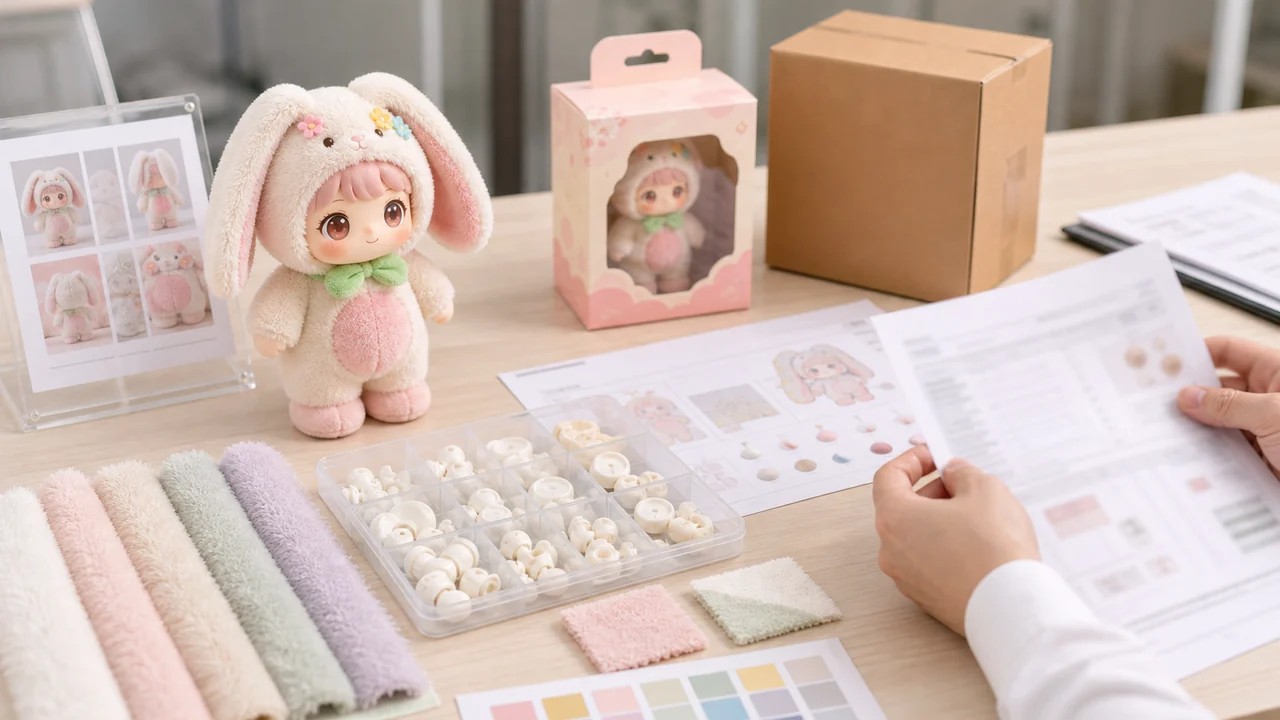
The following ranges are rough OEM references in USD. Real quotes should be confirmed after the factory reviews quantity, final specification, color count, mold count, packaging, inspection standard, and shipping terms.
Initial Cost: Molds and Samples
| Item | USD Reference Range |
|---|---|
| PVC sofubi copper mold, head only | $265-590 / set |
| PVC sofubi copper mold, full body | $515-1,180 / set |
| Injection steel mold, small part | $880-2,950 / set |
| Injection steel mold, complex part | $2,950-8,840+ / set |
| PVC rubber aluminum mold | $44-147 / set |
| 3D printed prototype | $11.8-44.2 / pc |
Single-Part Cost Reference
| Item | USD Reference Range |
|---|---|
| PVC sofubi head part, 10-15 cm | $0.52-1.18 / pc |
| PVC sofubi full body, around 20 cm | $1.18-2.65 / pc |
| ABS frame or accessory set | $0.22-0.74 / set |
| PVC rubber accessory | $0.44-1.18 / pc |
| Silicone-like part | $1.18-2.95 / pc |
Coloring and Finishing Cost Reference
| Item | USD Reference Range |
|---|---|
| Simple spray and pad print | $0.29-0.74 / pc |
| Hand painting or gradient finish | $0.74-2.21 / pc |
| High-precision detailed painting | $2.21-5.89 / pc |
Finished Unit Cost Before Shipment
| Grade | Example Specification | USD Reference Range |
|---|---|---|
| Basic | PVC sofubi face + plush body | $2.65-5.15 / pc |
| Middle | PVC sofubi face + PVC rubber accessory + detailed coloring | $4.42-8.84 / pc |
| High-end | PVC sofubi or silicone-like head + premium pile fabric + individual packaging | $8.84-17.67 / pc |
The price difference between 1,000 pcs and 10,000 pcs can be significant. However, quantity should not be the only decision point. Inspection conditions, packaging format, sample approval rounds, and delivery requirements should be confirmed together.
What to Prepare Before Requesting a Quote
The quote will be more accurate if the following materials are prepared in advance.
- Front, side, and back design views
- Overall height, face-part width, and plush body size
- Preferred material for PVC sofubi, PVC rubber, ABS, fabric, or silicone-like parts
- Number of colors, paint range, and printing positions
- Preferred connection method or pull-strength requirement
- Standing or sitting pose requirements
- Target age, sales market, and required inspection items
- Packaging format, such as OPP bag, backing card, individual box, tag, JAN or label
- Expected order quantity, target delivery window, and sample approval rounds
For mixed-material products, design drawings alone are often not enough. Clarifying the face-to-fabric boundary, internal support, neck fixing method, sewing line, and PVC rubber accessory position early can reduce sample revisions.
Risks to Check Before Mass Production
Before mass production, review the following risks carefully.
- The head is too heavy and the figure cannot stand.
- Plush pile hides or distorts the face boundary.
- Adhesive marks or sewing lines become visible.
- PVC rubber accessories are not stable after assembly.
- Painted colors do not match fabric colors.
- Pile direction changes after packaging.
- Eye line or face angle varies during production.
These issues are easier to correct during the prototype and pre-production sample stages. Photos, videos, pull checks, packaging mockups, and shipping-condition checks should be reviewed before final approval.
Conclusion
A PVC sofubi plush figure is a mixed-material product where the cute final appearance depends on many hidden decisions: PVC sofubi parts, PVC rubber accessories, ABS support, plush body construction, painting, sewing, inspection, and packaging. To control cost, do not look only at the unit price. First decide which parts should carry the most product value.
If the face impression is the key selling point, allocate more budget to the PVC sofubi head. If the tactile plush feel matters most, review fabric, pile length, and sewing quality carefully. If accessories create the character identity, plan the PVC rubber molds and assembly steps early. With these priorities clear, sampling and quote confirmation become much smoother.