
Plush Needle Detection Workflow
Needle Detection Workflow for Custom Plush
B2B guide to plush toy needle detection: buyer inputs, samples, MOQ, production risks, quality checks, lead time, and quote preparation.
Needle-detection requirements depend on market, sales channel, age group, customer specifications, metal hardware, packaging and evidence requirements, not only the plush format. Freeze the conditions before quotation and sampling.
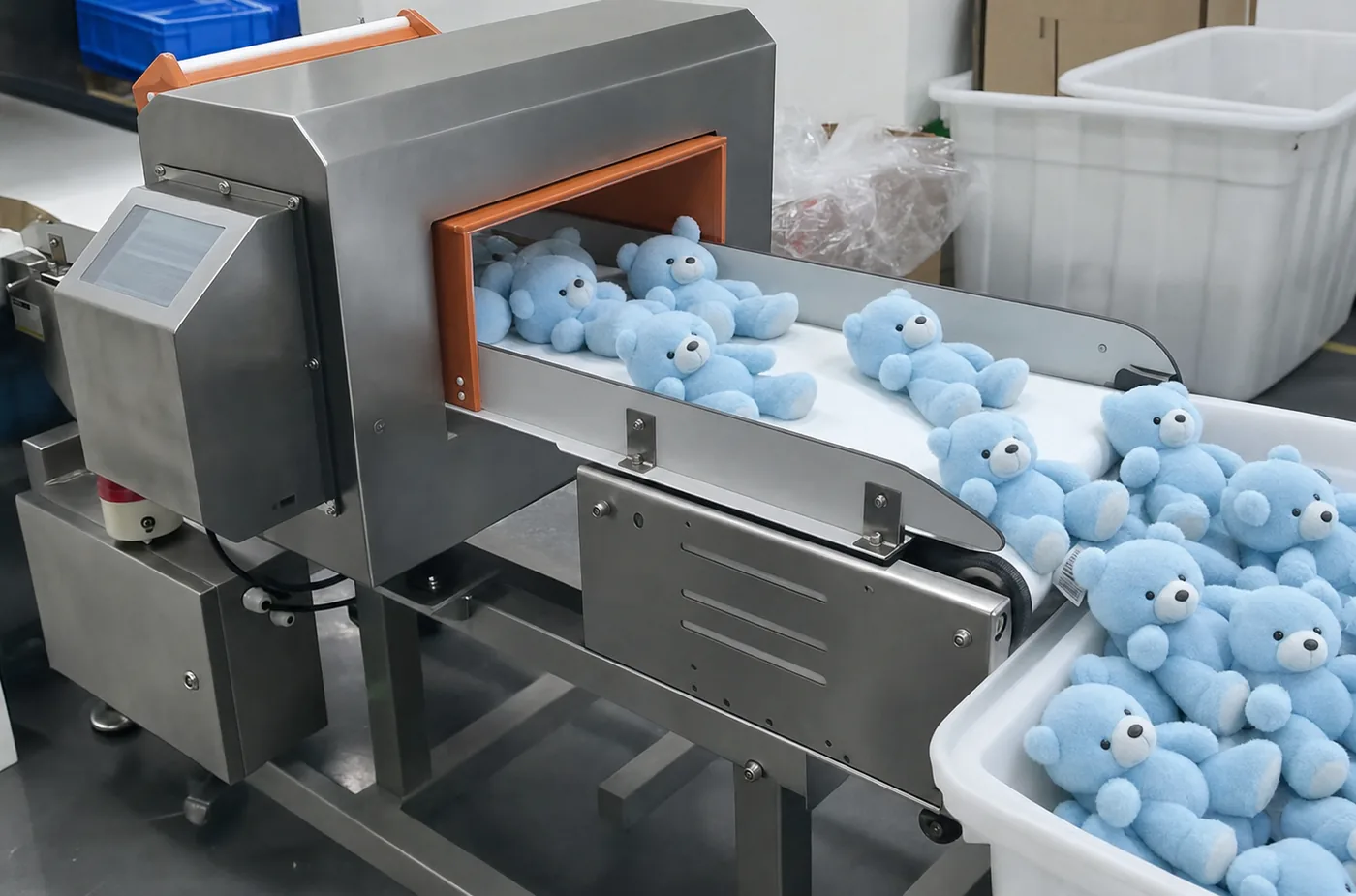
Six checks for defining needle-detection conditions
Organize sales conditions, product construction, process and evidence before quotation.
Confirm customer and distribution rules for retail, events, ecommerce, prizes or facilities.
Record expected users, display-only use, bag charms and required warnings.
Map ball chains, clasps, bells, wire and electronic components by position and removability.
Define needle replacement, fragment recovery, workstation checks and work-in-process hold.
Document equipment, sensitivity, test piece, pass direction, timing and inspection scope.
Keep lot, SKU, quantity, date, operator, result, recheck and disposition with shipment data.
Review applicable safety rules separately from needle detection
Needle detection is a process control. Treat market-specific law, age labeling, testing and certificates as separate approval gates.
For infant toys manufactured or imported from December 25, 2025, review technical requirements, age and warning labeling, and Japan's Child PSC marking obligations. This statutory framework is distinct from the voluntary ST Mark scheme.
The ST standard covers mechanical and physical properties, flammability and chemical properties. A detector result alone does not authorize the ST Mark; conformity assessment and mark-use procedures are separate.
For EU toys, review Directive 2009/48/EC and applicable harmonized standards. Mechanical and physical requirements such as EN 71-1 relate to product hazards, but needle detection alone does not demonstrate conformity.
For U.S. children's toys, identify the ASTM F963 provisions incorporated by CPSC rules and any third-party testing and certification duties. Ask a CPSC-accepted laboratory to scope applicable testing.
Depending on the project, control points may be set after sewing, on the body before hardware, after rework, or after completion when the selected method remains valid. If hardware interferes, agree on an alternative finished-goods check.
When customers require added evidence, confirm availability, scope, report format, schedule and separate cost for an independent inspection company or test laboratory, including Japanese providers when specified.
What needle detection can evidence—and what needs separate approval
Separate factory process evidence from legal conformity, certification and product-testing decisions.
| Item | Treatment | Decision and record boundary |
|---|---|---|
| Metal foreign-object process control | Can be evidenced under agreed conditions | Agree the equipment, sensitivity, test piece, inspection stage, pass direction, full or sampled scope, then record the conditions and results. |
| Broken-needle and response handling | Can be evidenced as a process record | Link fragment recovery, stop and hold, cause, affected scope, recheck, disposition and approval to the lot. |
| Body checks for hardware-attached plush | Can be designed into the process | Check the body before hardware attachment, then separate appearance, attachment and any available additional verification after intended metal is fitted. |
| Japan Child PSC, ST, EU or U.S. conformity | Cannot be established by needle detection alone | Confirm product classification, age grade, labeling, applicable standards, testing, certificates and mark procedures for the sales market. |
| Third-party reports | Confirm the report type | An inspection or needle-detection process report is not interchangeable with a regulatory laboratory test report or certificate. Name the provider, test scope and decision owner. |
| Retention period and recheck scope | Do not apply one universal rule | Japan requires statutory self-inspection records for covered Child PSC infant toys to be retained for three years from the inspection date. Set needle-detection process retention and response recheck scope from the customer specification, contract, cause review and applicable requirements. |
Projects that need early needle-detection review
Do not generalize required or not required. Confirm the customer specification and product construction.
| Project or product condition | Early review | Process design | Shipment record | Risk to manage |
|---|---|---|---|---|
| Children or facility goods | Age group, market, customer standard and labeling | Sewing control, detection timing and pre-pack check | Lot, quantity, condition, result and disposition | Gate Do not treat detection as the full safety program |
| Event or retail merchandise | Delivery standard, sales date, SKUs and repacking | Align records with split-delivery units | Link SKU, carton and destination | Gate Do not skip requirement review for a short schedule |
| Mascots with hardware | Metal type, position, removability and detector response | Separate body detection and hardware attachment | Record body check and post-attachment method | Gate Distinguish intended hardware from foreign metal |
| Wire or electronic components | Internal parts, batteries, wiring and finished construction | Agree on an available inspection method in advance | Record the selected method and acceptance rule | Gate Standard detection may not be suitable |
| Textile plush without hardware | Fabric, accessories, sewing process and customer request | Plan broken-needle control and finished-goods check | Record scope and result | Gate Hardware-free does not automatically mean no requirement |
Original Flow: Five shop-floor steps from sewing to shipment records
Freeze requirements and the metal-parts map first, then control the following sequence as part of the project specification.
Control needles, workstations and work in process
Replace, recover fragments and hold the affected scope
Separate body detection from the agreed post-attachment check
Match SKU, appearance, hardware and recheck result
Retain lot, quantity, condition, result and approval
Anonymous example: Inspection sequence for a plush charm with hardware
This is a representative workflow when metal hardware can affect detection. Final conditions depend on material, construction and customer requirements.
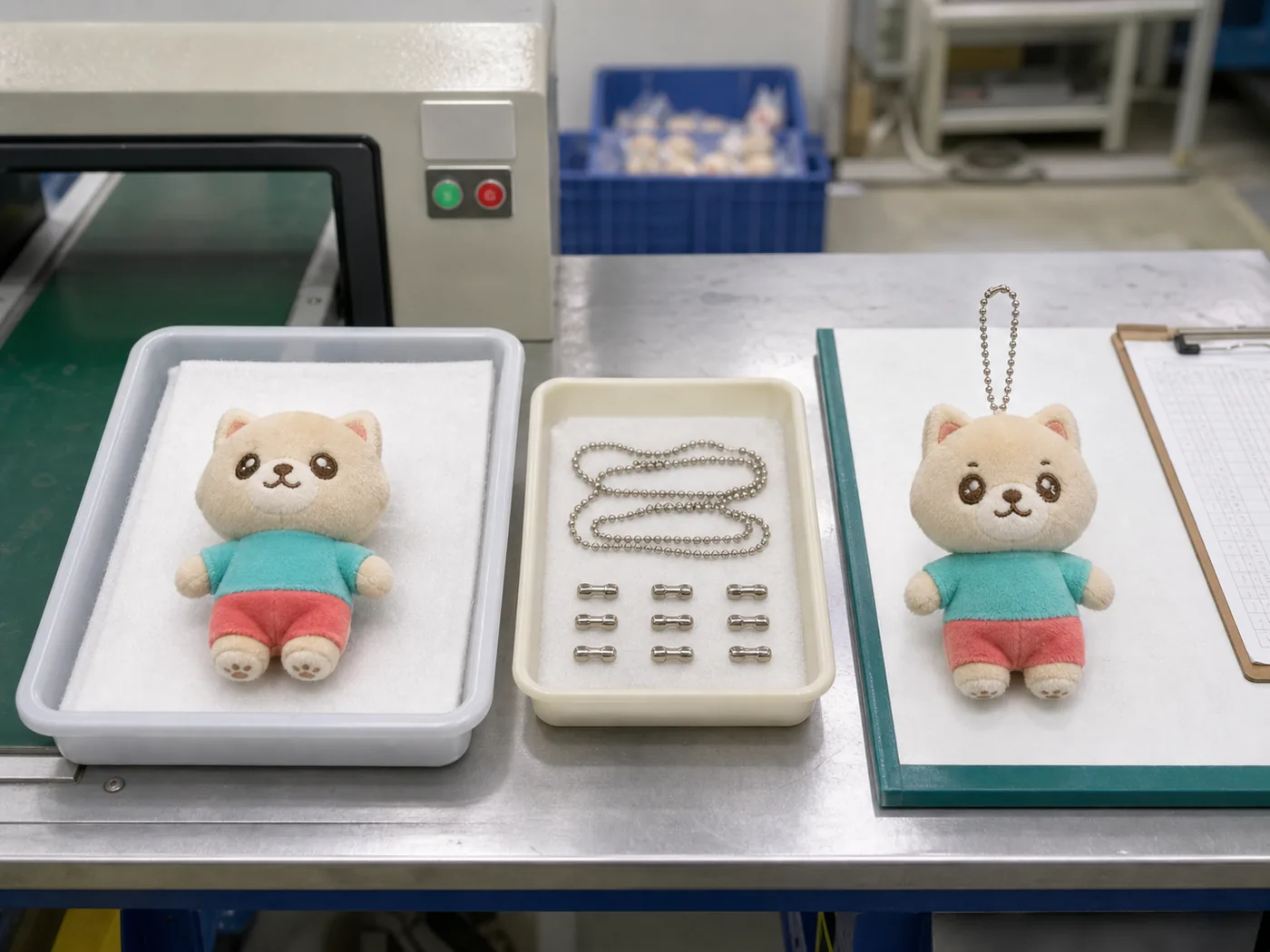
Inspect the sewn body under the agreed condition before attaching the ball chain, clasp or other metal hardware.
Match type, quantity and position to the bill of materials, and keep checked bodies separate from unchecked work.
Account for intended hardware and perform the agreed appearance, attachment and available additional checks.
Connect body detection, hardware attachment, final review, recheck and exceptions to SKU, quantity and carton records.
Common failure patterns
Unclear specifications and process order, rather than detector performance alone, can cause a full-lot stop or incomplete evidence.
The hardware material, position and expected response are not evaluated before every finished item triggers the detector.
Hardware is attached first, leaving no practical stage for checking the sewn body by itself.
Recovery, time window, work in process and held quantity are not documented, so the recheck scope cannot be justified.
Sensitivity, test piece, direction, repetitions, full or sampled scope and report format are requested only after mass production.
Four actions after a detection response
Do not return only the responding piece without defining the affected scope.
Separate the item, related work in process and affected lot from unchecked goods with clear status labels.
Review sewing needles, hardware, the work area and packaging material, and distinguish intended metal.
Set the affected quantity, direction, repetitions and acceptance according to the requirement and cause review.
Document quantities, removal, repair or disposal, recheck result and approval in the lot record.
Assign ownership for children's and hardware-attached plush
Do not leave the detection plan to the factory alone. Freeze the responsibilities of the buyer or importer, factory, any required third party, and shipment approver before mass production.
| Owner | Decision before production | Record or approval |
|---|---|---|
| Buyer or importer | Sales market, age grade, channel, customer standard and required report format | Applicable conditions, approval owner and release criteria |
| Factory | Needle issue and breakage control, body-detection timing, hardware bill of materials, attachment area and recheck scope | Needle change and recovery log, lot, held quantity, condition and result |
| Third party | Inspection or test scope, method limits, report format and timing when the project requires external evidence | Agreed report, photographs, decision and exceptions |
| Shipment approver | Hold release, recheck, exception disposition and split-shipment or carton linkage | Final approval, open items and shipment-lot cross-reference |
Three records to align in the detection workflow
Match broken-needle recovery, finished-goods QC and packing or shipment records rather than recording equipment passage alone.
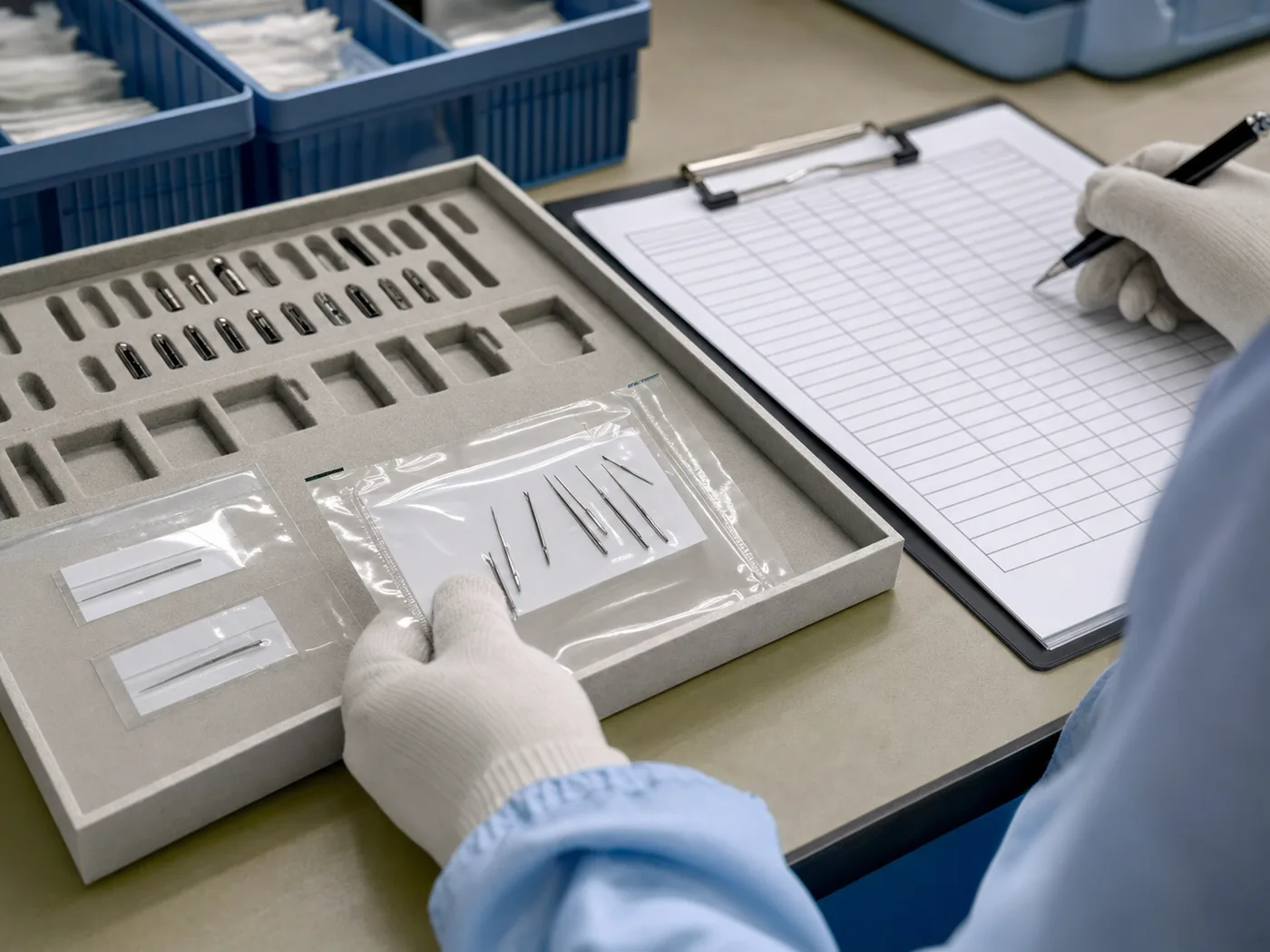
Reconcile the changed needle and recovered fragments, then record the workstation, time window and held work in process.

Record appearance, dimensions, sewing and accessories separately from the detection result.
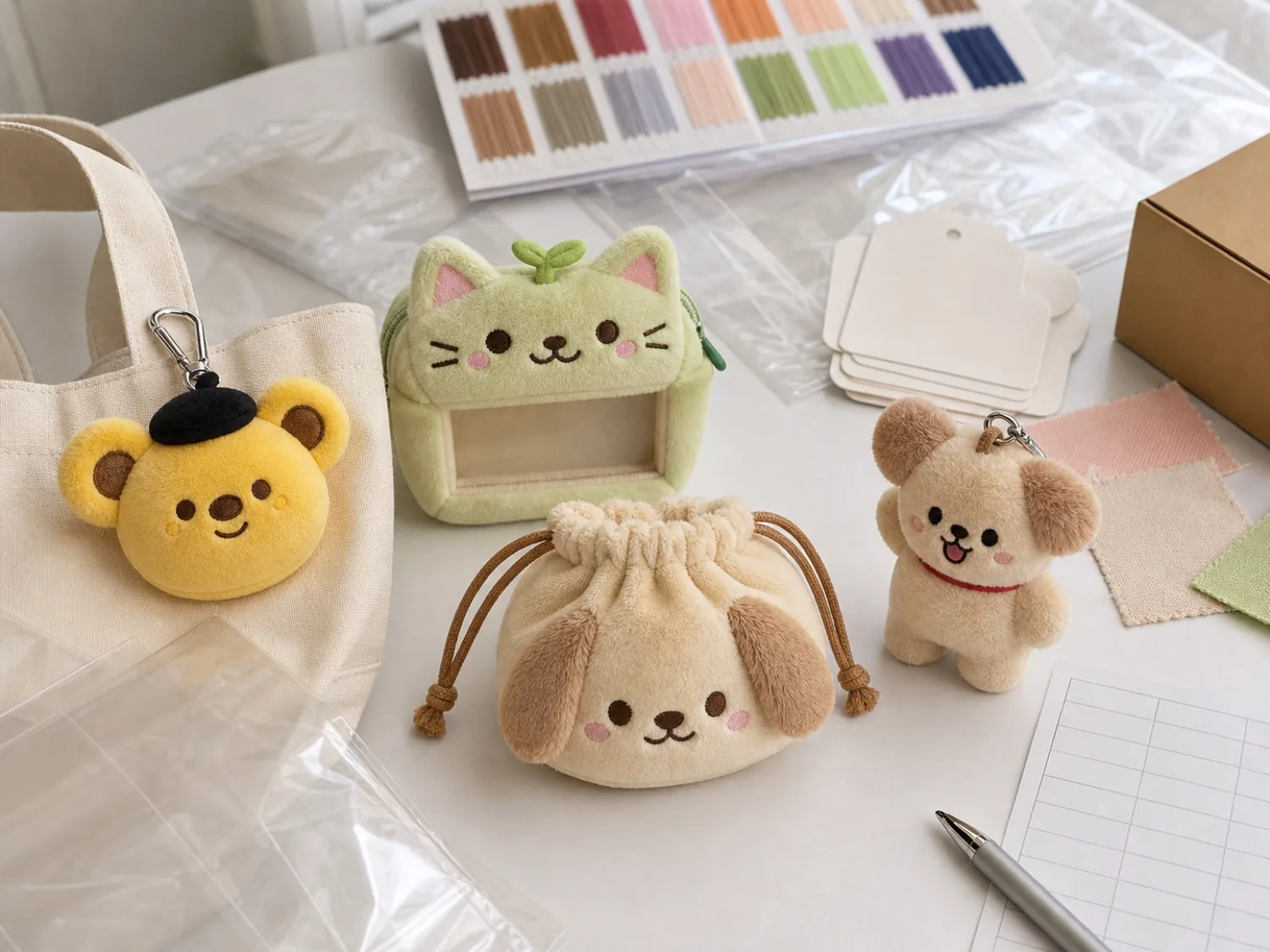
Reconcile hardware attachment, detection, recheck, disposition and carton quantity before packing.
Information to prepare before a detection quotation
Early sales-condition and hardware information helps define inspection order and record scope.
- Market, destination and channel
- Age group and use
- Customer specification and format
- Finished size, SKUs and quantity
- Fabric, filling and accessories
- Internal parts and hardware positions
- Sewing and hardware attachment order
- Individual packing and cartons
- Split delivery and repeat runs
- Sensitivity, test piece and direction
- Full, sampled and recheck scope
- Lot, operator and approver
Needle Detection Specification Sheet (PDF)
Complete the market, age group, hardware, inspection stage, detection conditions, exception handling, independent inspection and record requirements, then send it with drawings and the bill of materials.
Related pages
Needle detection connects to inspection standards, pre-production approval, retail packaging, quote materials, SKU control and shipment records.
FAQ
Does every custom plush project require needle detection?
No single answer applies to every project. Confirm market, age group, sales channel, customer standard, construction and hardware.
Can a plush mascot with metal hardware be needle-detected?
Hardware may trigger a response. Define body-detection timing, attachment order and the available finished-goods method during specification review.
Does passing a detector guarantee product safety?
No. Detection is one control. Appearance, sewing, parts, labeling, function and applicable customer or legal requirements need separate review.
Are AQL appearance sampling and needle detection the same?
No. Record the appearance sampling rule separately from detection scope, sensitivity and full or sampled inspection conditions.
What happens after a detection response?
Stop and hold the affected scope, investigate the cause, define recheck and disposition, then document the result and approval.
What is needed for a quotation?
Share market, channel, age group, customer standard, quantity, SKUs, hardware, internal parts, packaging, split delivery and required detection records.
How is needle-detection cost calculated?
Cost depends on quantity, SKUs, product size, full or sampled scope, pass direction and repetitions, hardware, record format, recheck scope and any third-party inspection. It is quoted after the specification is reviewed.
When are multiple detection stages required?
Examples include customer specifications requiring controls after sewing, on the body before hardware, after rework, or at another valid stage. If intended metal interferes, do not simply repeat standard detection on the finished item; agree on an available verification method.
Start by organizing the needle-detection requirements
Share destination, age group, product construction, hardware, quantity, packaging and customer inspection requirements so a project-specific sequence for body detection, hardware attachment, finished-item review and records can be proposed.