Sofubi plush OEM supplier guide
Sofubi Plush OEM Market Players: How to Choose a Production Partner
Compare sofubi plush OEM supplier types for IP goods, event merchandise, and mass-production projects. Learn when to choose a large maker, integrated OEM factory, design partner, art-toy specialist, or novelty supplier.
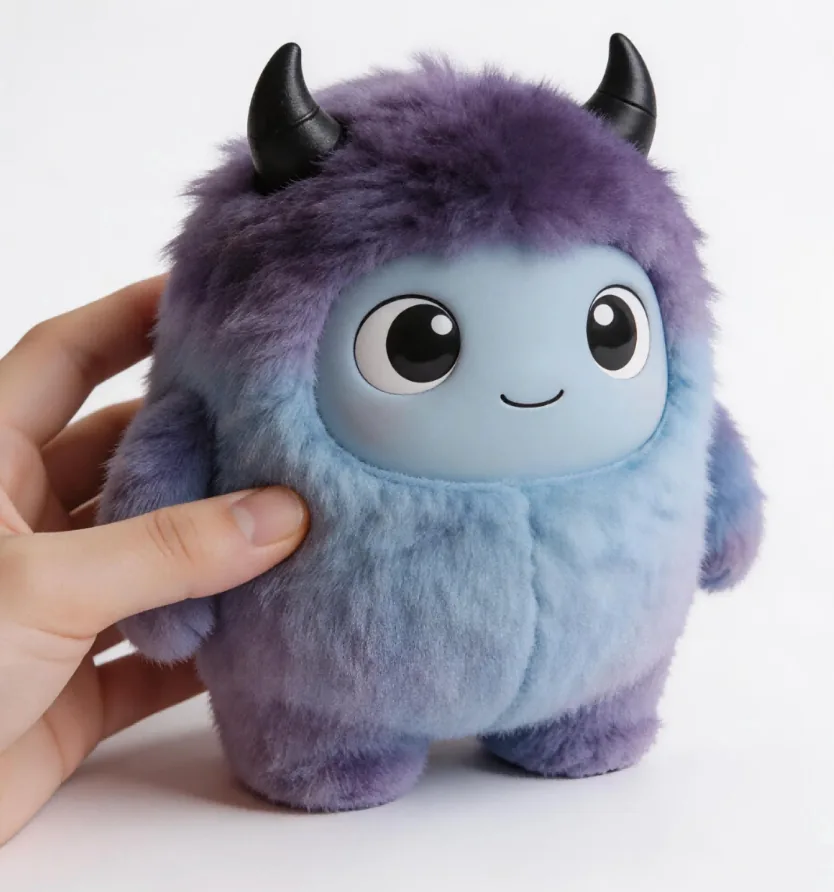
Five supplier types buyers usually compare
A sofubi plush project can be handled by several kinds of companies. The right choice depends on whether the buyer needs brand-scale retail support, flexible OEM coordination, design assistance, limited-edition art production, or promotional merchandise handling.
Useful for formal licensing, retail programs, and mature distribution plans. Entry requirements and decision cycles can be higher.
Practical for production-ready projects that need sampling, material sourcing, assembly, QC, packaging, and export coordination.
Helpful when the buyer still needs concept refinement, production drawings, or collection planning before factory quotation.
Strong for small creative runs, sculpt expression, and collector positioning, but not always best for repeatable mass-production logistics.
Fits corporate campaigns and event giveaways when cost, delivery timing, and simple packaging are the main priorities.
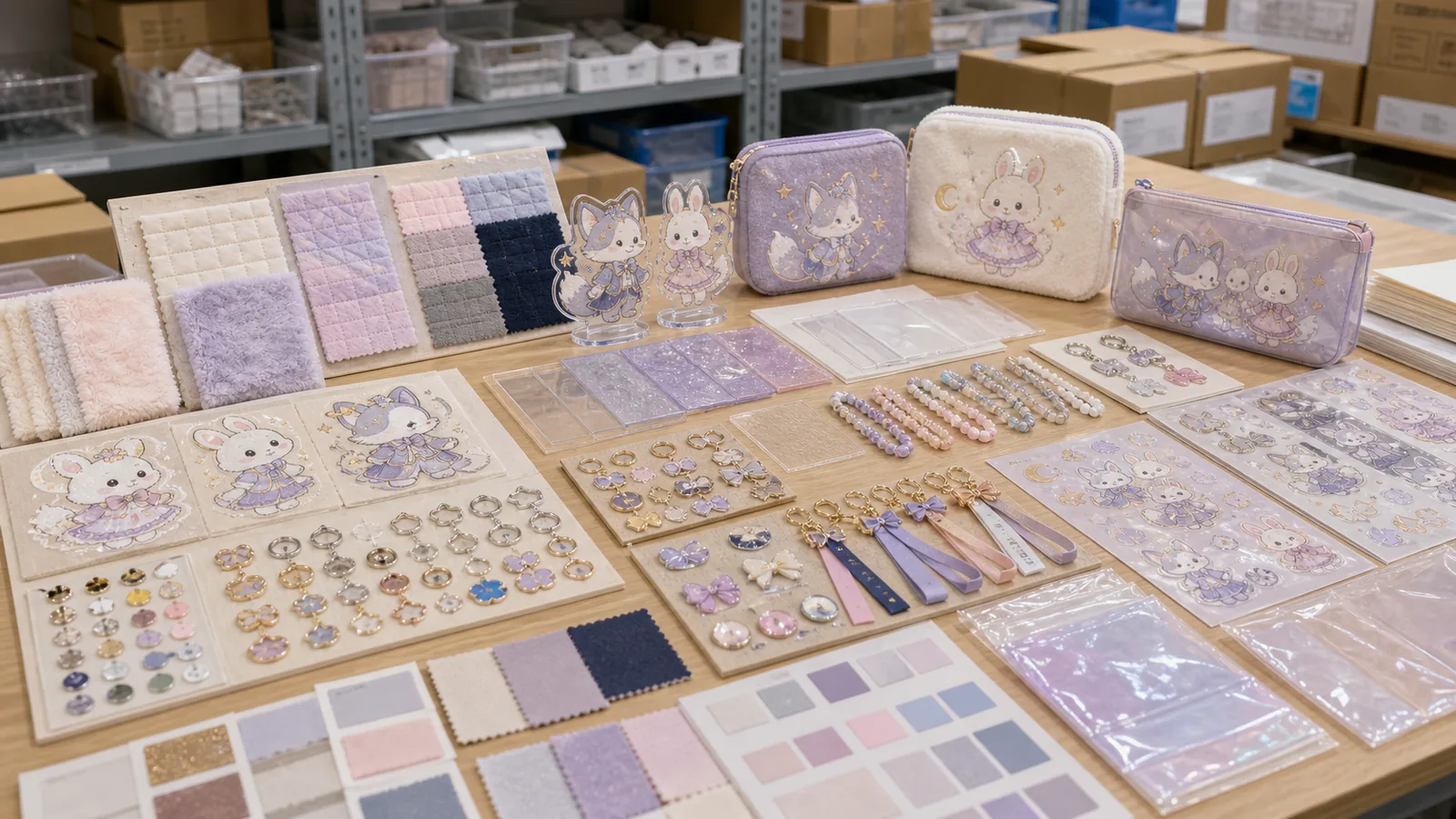
How to choose without relying only on company size
Large company names can feel reassuring, but supplier fit should be judged against the work that must be controlled every day: material decisions, sample correction, packaging accuracy, inspection criteria, communication speed, and delivery documentation.
Supplier comparison matrix for sofubi plush OEM
Use this table before contacting suppliers. It helps separate brand-scale partners from production partners and avoids asking the wrong company to solve the wrong problem.
| Supplier type | Best fit | Strengths | Watch points | Materials to prepare |
|---|---|---|---|---|
| Large toy maker OEM partner | Retail-grade programs, licensed toy lines, long-term brand rollouts | Formal development process, broad quality framework, retail familiarity | May require higher volume, longer approval steps, and less flexible revisions | Licensing plan, product range, retail schedule, compliance expectations |
| Integrated OEM or ODM factory | Production-ready IP goods, event merchandise, repeatable mass-production plans | Sampling, material sourcing, assembly, QC, packaging, and delivery coordination | Buyer should provide clear artwork, target quantity, packaging, and inspection points | Artwork, size, material references, quantity range, sample goals, destination |
| Planning and design partner | Projects that need product concept, collection structure, or pre-production proposal work | Strong presentation support and product storytelling before factory work starts | Final production may still involve a separate factory and extra handoff management | Brand concept, character setting, sales channel, target buyer, price band |
| Art-toy or designer toy studio | Limited editions, creator products, collector drops, sculpt-focused work | Expressive design direction and small creative batch know-how | Packaging scale, repeat orders, and export delivery can need separate planning | Creator brief, sculpt style, edition plan, finish direction, display needs |
| Novelty goods supplier | Corporate campaigns, event giveaways, simple mascot merchandise | Campaign schedule awareness, simple packaging options, broad item sourcing | Complex soft-vinyl plus plush construction may need factory-side confirmation | Event date, quantity, budget range, logo rules, packaging and delivery address |
Why integrated OEM factories often fit serious production
When the character design is already approved and the project needs controlled sampling through delivery, an integrated OEM factory can reduce handoff risk. The key is to confirm whether the factory can manage soft-vinyl parts, plush sewing, assembly, packaging, QC, and export delivery under the same schedule.
- Face or head parts: tooling, color references, finish direction, and fitting tolerance.
- Plush body: fabric choice, stuffing feel, embroidery, sewing line, and tag placement.
- Assembly: connection method, balance, standing or hanging behavior, and sample correction.
- Packaging: OPP bag, backing card, SKU label, carton label, and delivery sorting.
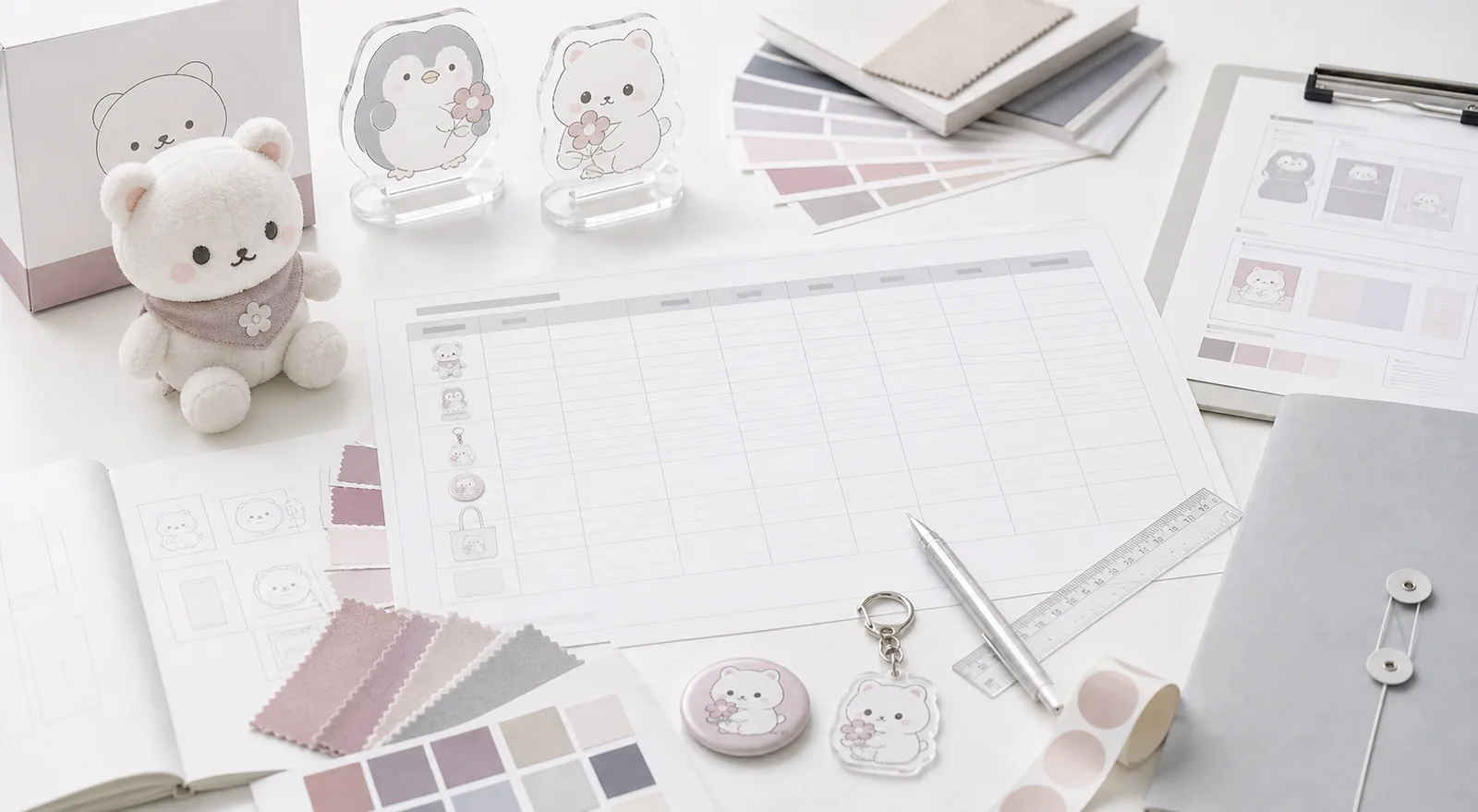
Capability checklist before asking for quotation
The buyer can compare suppliers more accurately by checking capabilities one by one instead of asking only for a rough unit price.
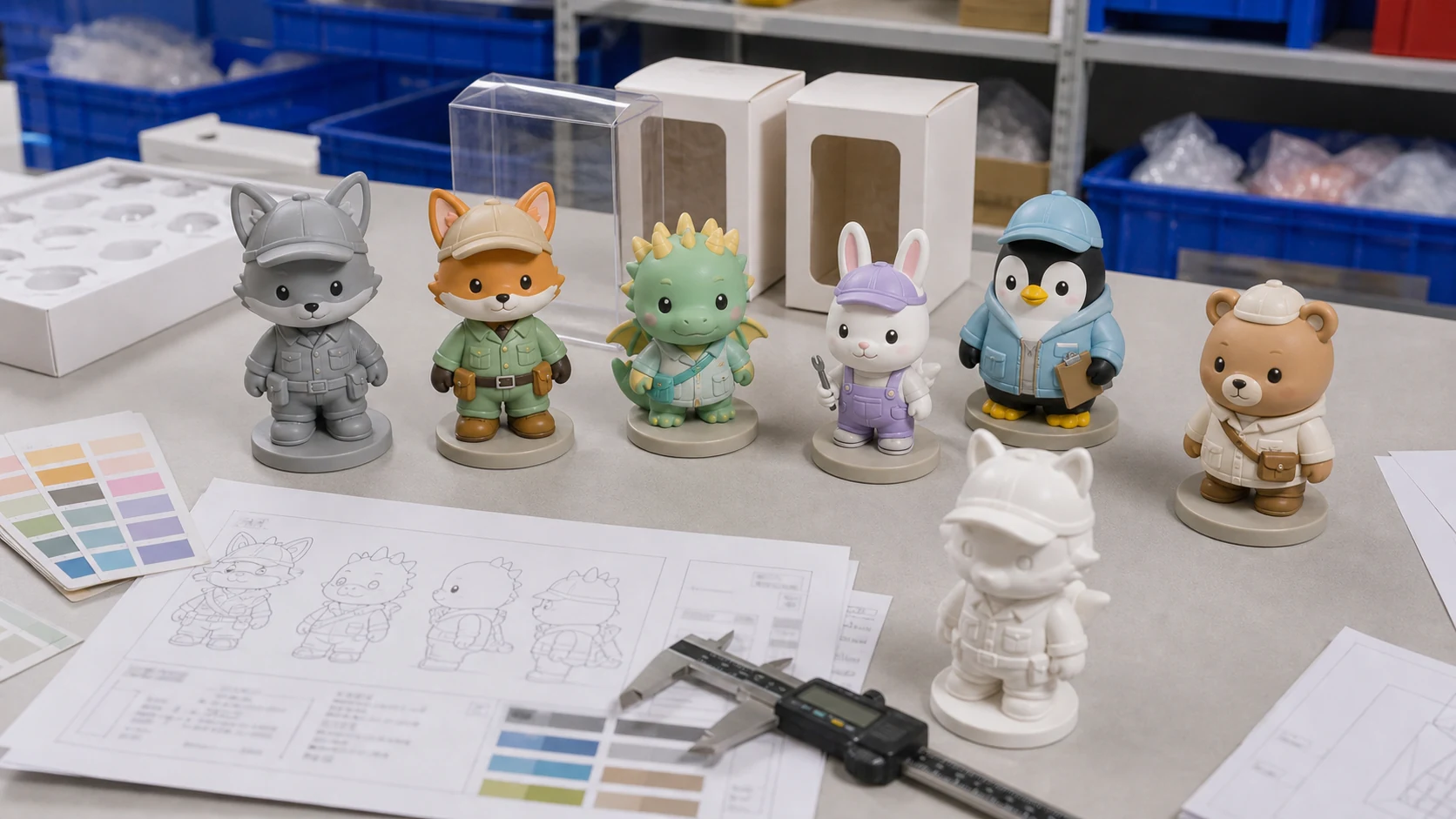
Artwork and sample control
Confirm how artwork, color chips, sample comments, and revision history are recorded before mass production.
Material coordination
Ask how vinyl parts, plush fabric, stuffing, embroidery, tags, and accessories are matched inside one specification sheet.
Production risk review
Check seam strength, color difference, attachment stability, surface finish, and packaging fit before order confirmation.
Inspection process
Use an agreed QC checklist for appearance, size tolerance, assembly, packaging, carton labels, and shipment preparation.
IP and file handling
Confirm confidentiality, artwork access, sample photo sharing rules, and data handling before sending unreleased character designs.
Delivery documentation
Clarify destination, carton count, label format, delivery term, and any import or marketplace documentation requirements.
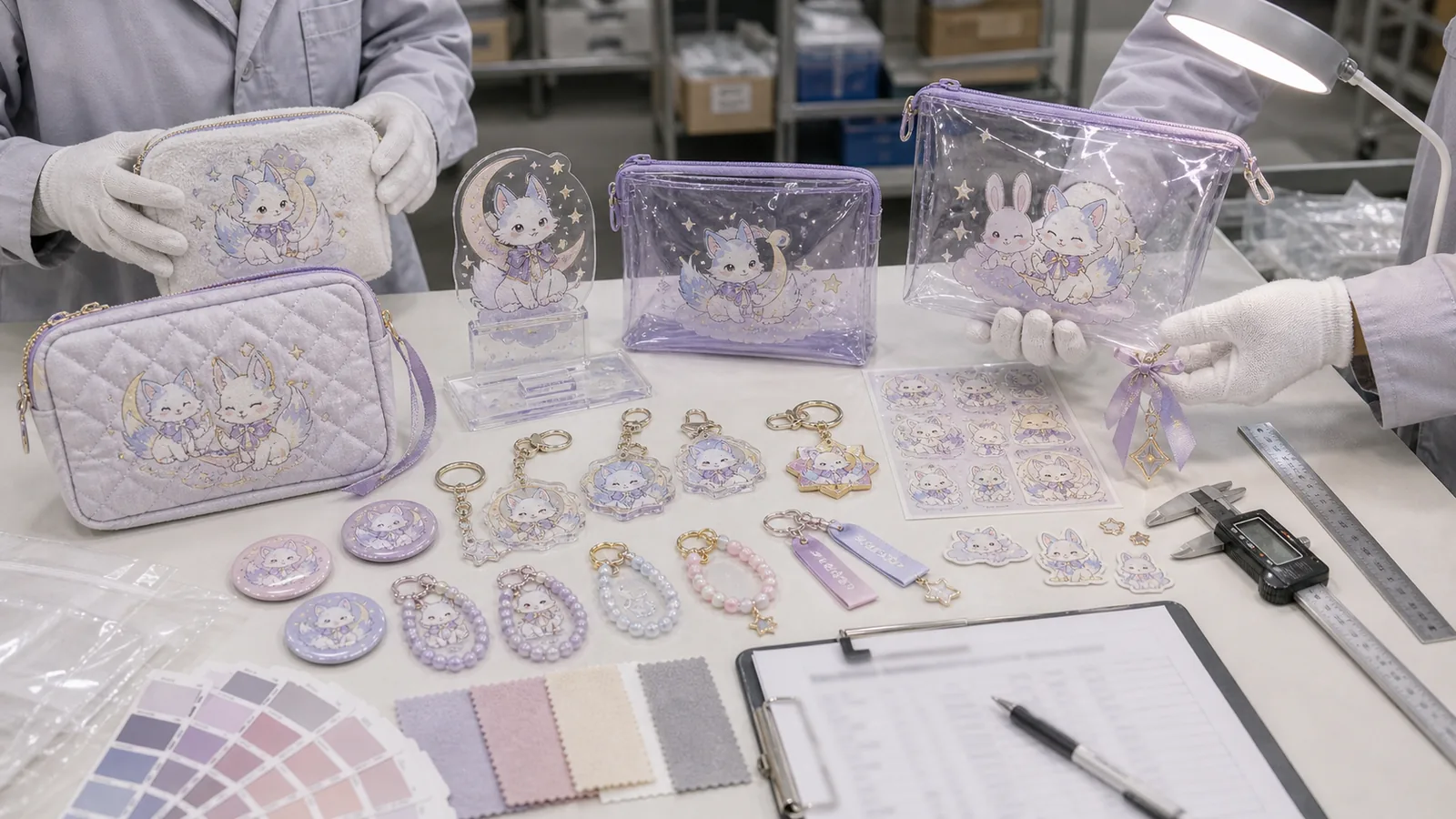
Ask each supplier the same production questions
A fair comparison needs the same brief. When every supplier receives different information, price, schedule, and sample answers become difficult to compare.
- What sample stages are included before mass production?
- How are sample comments, color decisions, and material changes documented?
- Which inspection points are checked before packaging?
- Can carton labels, SKU sorting, and Japan delivery requirements be confirmed before production?
Quote materials that make comparison faster
The fastest useful answer usually comes after the buyer shares a complete but compact brief. The supplier can then confirm technical route, sample method, image evidence, and quotation conditions.
- Character artwork with front, side, back, and color references when available.
- Target size, quantity range, and whether multiple SKUs or blind packaging are needed.
- Material direction for vinyl parts, plush body, embroidery, tags, and accessories.
- Packaging style, delivery destination, required schedule, and inspection checklist.
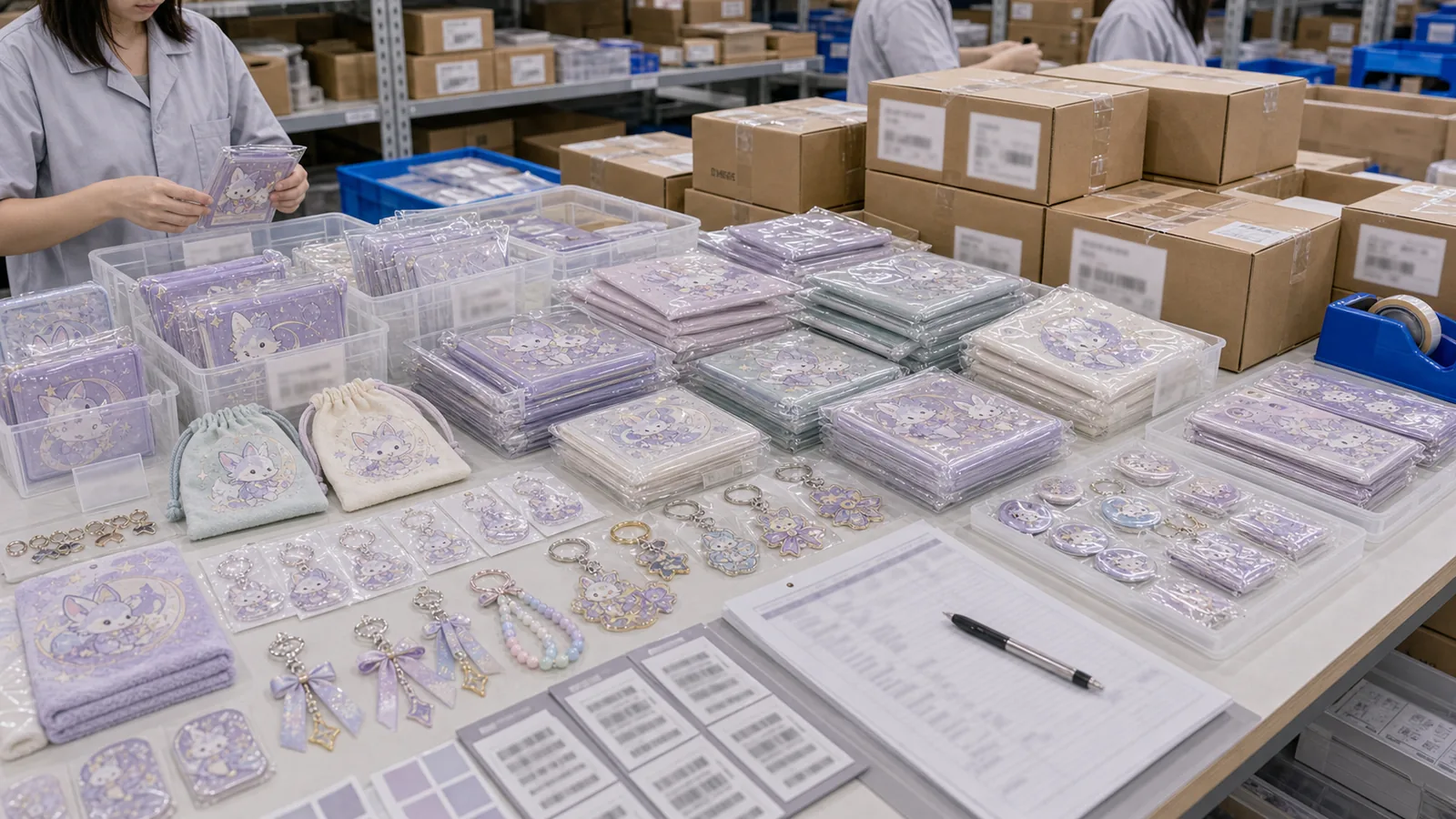
FAQ for sofubi plush OEM supplier selection
Which supplier type is best for a serious mass-production sofubi plush project?
For projects that already have artwork, target specifications, packaging requirements, and a repeatable launch plan, an integrated OEM or ODM factory is often the practical choice because sampling, material coordination, inspection, packaging, and export delivery can be managed in one workflow.
Should a brand owner choose a large toy maker instead?
A large toy maker can be suitable when the project needs established retail distribution, broad licensing support, and a highly formal development process. The tradeoff is usually a higher entry threshold, slower decision cycle, and less flexibility for small changes.
What information should be prepared before comparing suppliers?
Prepare character artwork, target size, face or soft-vinyl parts, plush body material, quantity range, sample deadline, packaging style, destination, inspection requirements, and any confidentiality or documentation needs.
Can one supplier also handle packaging and related acrylic goods?
Yes, but it should be confirmed during quotation. Ask whether the supplier can coordinate backing cards, OPP bags, carton labels, acrylic stands, acrylic keychains, and SKU sorting in the same production schedule.
Need to compare your current supplier options?
Send your artwork, target quantity, sample goal, packaging idea, and delivery destination. CharacterCraft Gift can help review whether your project is better suited to an integrated OEM workflow, a design-first partner, or a different supplier type.