English OEM guide
China OEM Checklist for Character Goods and Concert Merchandise
Use this checklist before placing a character goods order in China. It focuses on the practical points that prevent sample delays, IP leakage, wrong SKU mixing, packaging mistakes, and event-date delivery risk.
1. Confirm IP scope, artwork files, and NDA handling first
Character goods projects often involve unpublished designs, event visuals, or limited campaign materials. Before sharing artwork, define who can access the files, what the factory may use them for, and whether an NDA is required. A clear file handoff process reduces accidental reuse, wrong file versions, and unnecessary exposure of campaign material.
- Prepare final artwork plus editable production data where possible.
- Separate public reference images from confidential IP files.
- Keep a version log for each SKU and revision.
2. Turn the sample stage into an acceptance standard
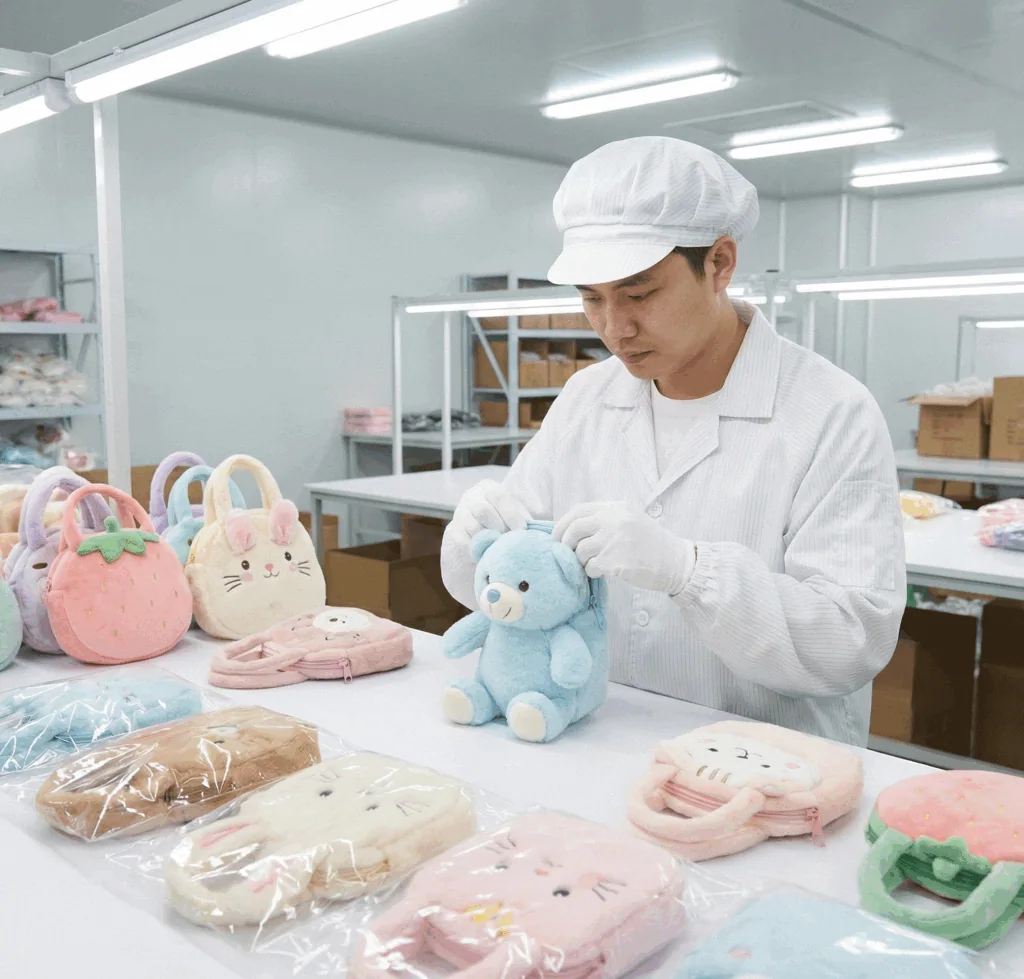
A sample is not only a visual check. It should become the reference for color, size, attachment position, material texture, backing card, label placement, and final packing method. Record approved and rejected points before starting mass production.
- Photograph the approved sample from front, back, and packaging angles.
- Record tolerance items such as size, color, print alignment, and surface finish.
- Confirm who signs off changes after the second sample.
3. Plan small-lot trials without losing mass-production discipline
Small lots are useful for test sales and limited events, but they still need SKU allocation, barcode or label logic, carton marking, and inspection rules. Treat a trial lot as a controlled production run, not as a casual sample extension.
- Separate trial, event, and EC inventory from the beginning.
- Confirm carton labels and SKU ratios before packing.
- Keep a re-order path if the first lot sells out.
4. Lock packaging, inspection, and delivery before the factory starts packing
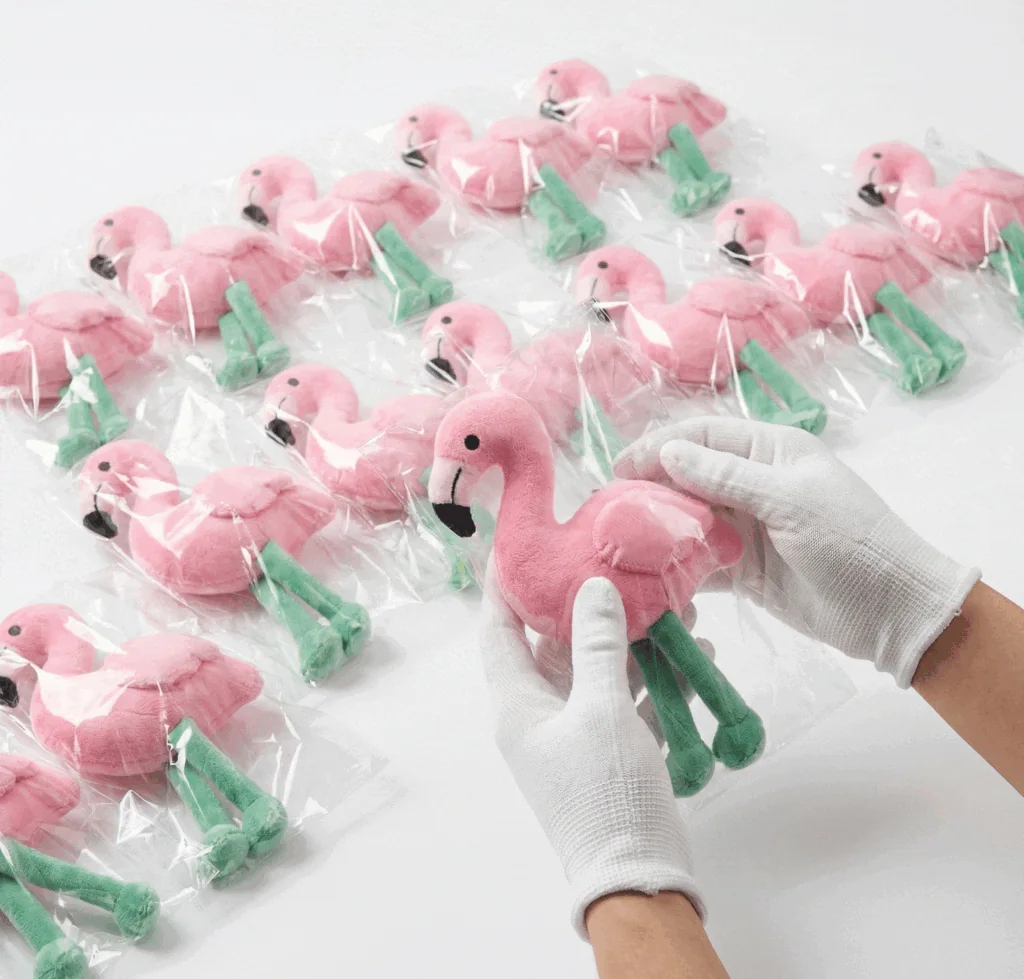
Many OEM issues happen after products are technically finished. OPP bags, backing cards, JAN labels, mixed assortments, and export cartons should be checked before the final packing line. Delivery terms should also be confirmed early if DDP or direct delivery is required.
- Confirm packaging mockups with real product dimensions.
- Define inspection photos and shipment documents in advance.
- Check whether the delivery deadline is event-date critical.
Pre-order checklist
| Artwork | Final data, cut lines, color notes, white-ink or sewing notes. |
|---|---|
| Product | Size, material, attachment, finish, SKU count, and quantity per SKU. |
| Sample | Approval method, revision count, reference photos, and sign-off owner. |
| Packaging | OPP, backing card, JAN, carton label, random or fixed SKU rules. |
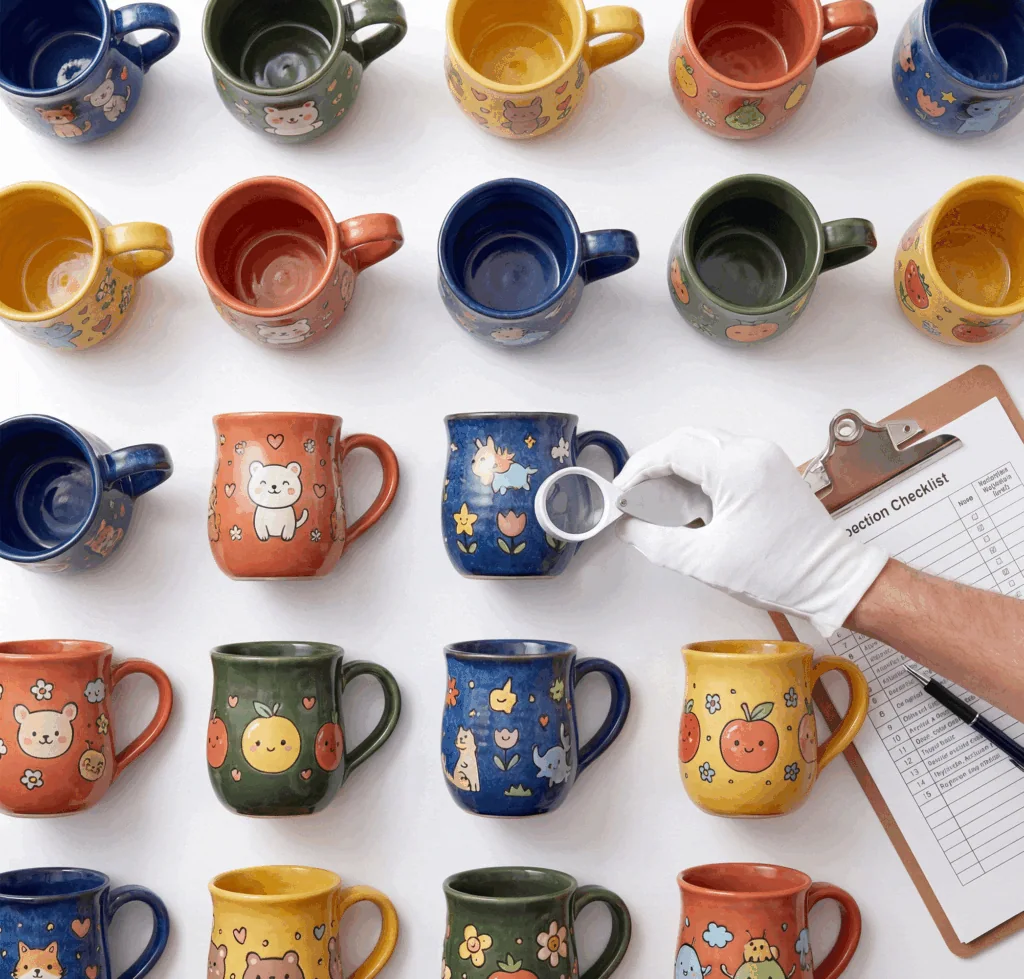
| Inspection | Appearance, count, mix ratio, packing state, and photo report scope. |
| Delivery | Address, deadline, DDP need, split shipment, and event buffer. |
Production image modules
FAQ
Can a project start from rough artwork?
Yes, but quotation and sampling are more accurate when size, quantity, material, packaging, and target delivery date are also provided.
Should small-lot projects still use inspection standards?
Yes. A limited run can still suffer from wrong SKU mixing, packaging errors, or deadline risk, so basic standards should be set before production.
Can multiple product categories be handled together?
Yes. Acrylic goods, plush toys, PVC/sofubi goods, badges, towels, and sewn goods can be planned as one campaign when the SKU sheet is controlled.
Prepare a practical OEM quote package.
Send artwork, size, quantity, packaging method, destination, and target delivery date. The reply can focus on feasibility, sample flow, and cost drivers instead of generic estimates.