
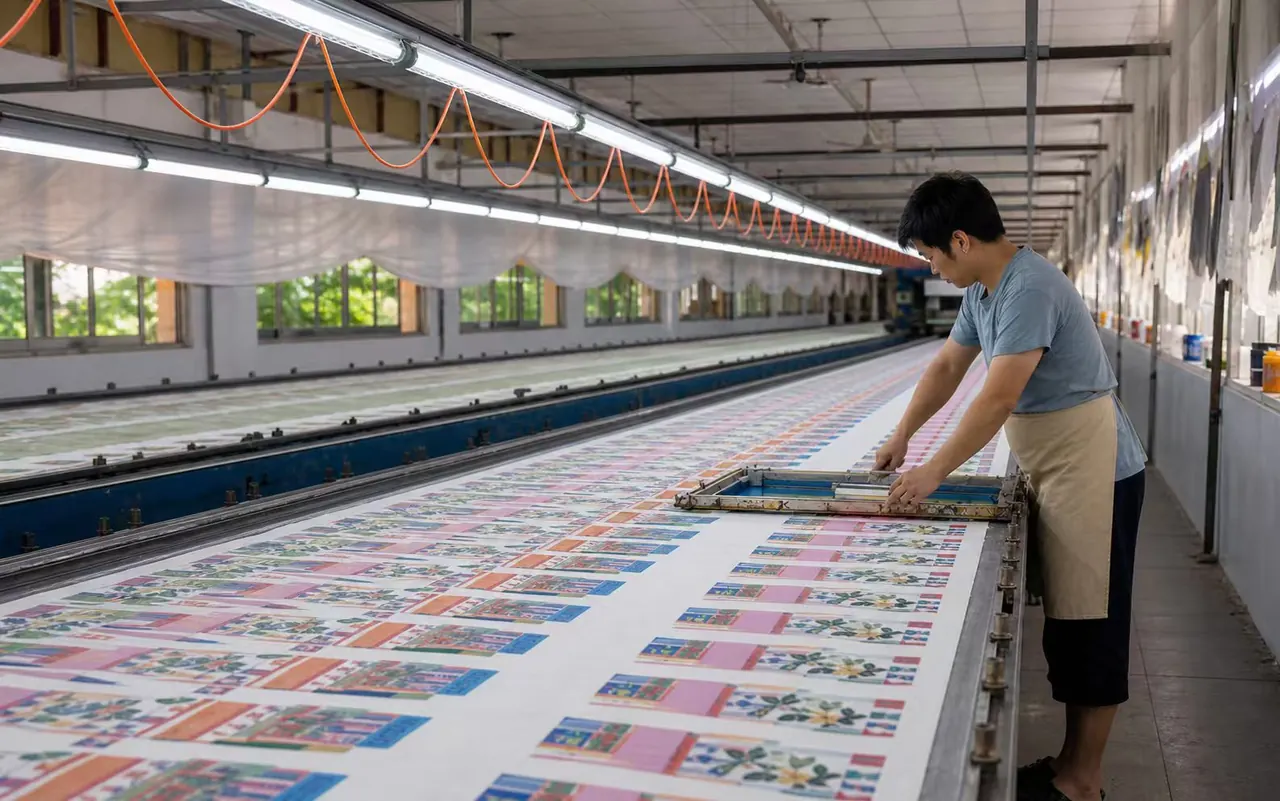
Why Canvas Tote Bags Change Size After Screen Printing
OEM buyer guide for size tolerance, supplier checks, and pre-shipment QC
Even when the artwork, screen plate, and order specification look identical, canvas tote bags may show small differences in finished width, height, or print position after screen printing.
For buyers, this is not only a manufacturing detail. It affects incoming inspection, repeat-order consistency, packaging presentation, and the cost of rework or replacement. This guide explains what to confirm before quotation and mass production.
Buyer-side risks to watch
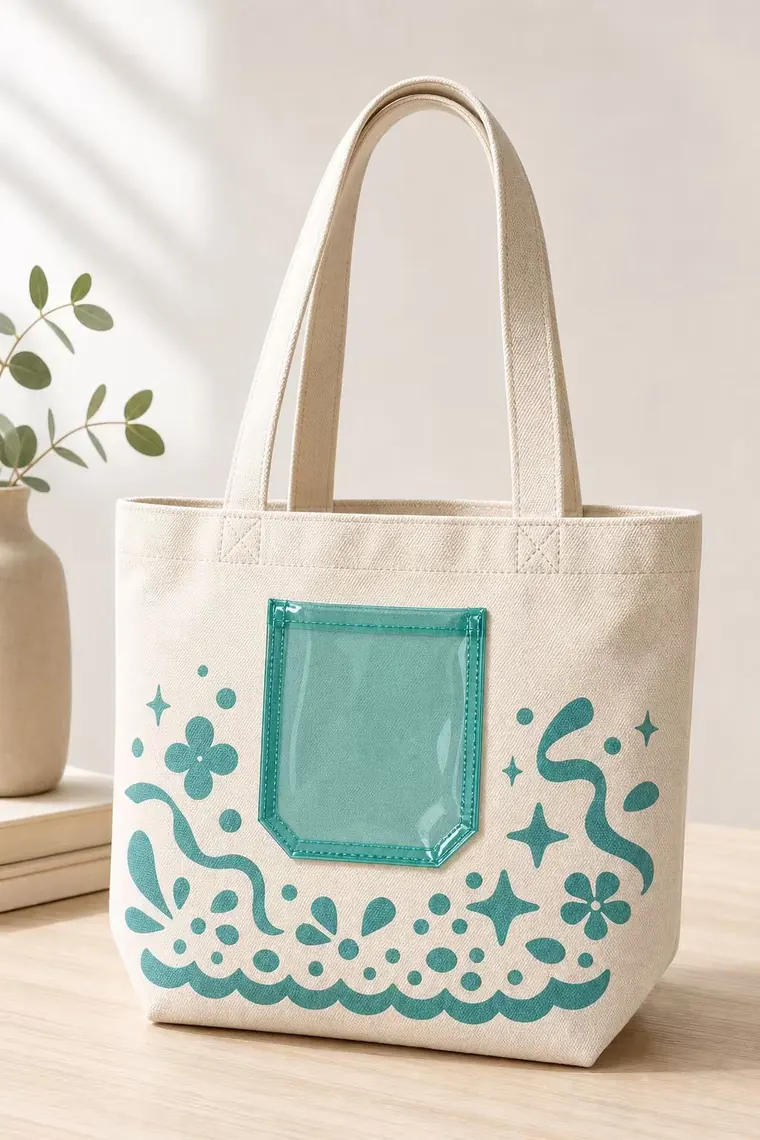
Specs to confirm before mass production
Define width, height, gusset, and handle length based on the finished product, not only the cut fabric. The inspection tolerance should be agreed before sampling.
Confirm the fabric weight, color, and dyeing condition. Natural, bleached, and dyed canvas can react differently during printing and drying.
Specify the print size, top and side margins, and distance from seams. For tote bags, the visible finished position matters more than a flat artwork layout.
Confirm air drying, heat drying, drying time, and whether stacked drying is allowed. Uneven moisture or heat can create size and shape variation.
Decide whether measurements are taken after printing, after sewing, before packing, or before shipment. Different timing can produce different readings.
For repeat orders, share the previous sample, inspection sheet, and measurement photos. If compatibility matters, set a separate repeat-order comparison rule.
Three common causes of size variation after printing
Fabric behavior
Canvas often contains natural fibers. Moisture, ink absorption, drying temperature, and fabric direction can change how the material expands or shrinks.
Risk: Medium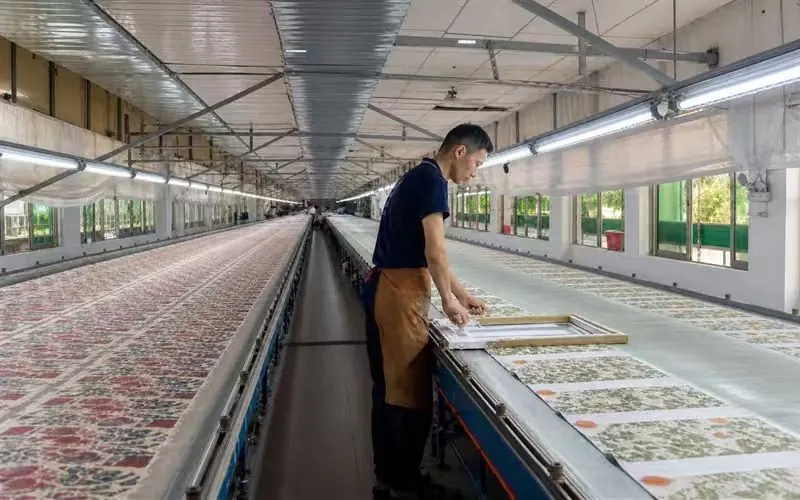
Ink and drying process
Higher ink deposit can increase moisture in the fabric. Differences in drying racks, air flow, heat, or stacking can create uneven shrinkage.
Risk: HighSewing and finishing tension
After printing, sewing and finishing can apply tension to the fabric. Fixture setup, operator handling, and seam control should be checked together.
Risk: MediumProduction controls for size stability
| Control area | What to manage | Recommended method | Expected effect |
|---|---|---|---|
| Fabric control | Use consistent fabric lots and incoming checks | Shrinkage test and recorded baseline | More stable base dimensions |
| Print control | Standardize ink deposit and drying condition | Fixed mesh, squeegee pressure, and temperature range | Reduced print-related shrinkage variation |
| Positioning | Improve repeatability of artwork placement | Positioning jig and approved reference sample | Lower risk of visible print shift |
| Sewing control | Control tension during sewing and finishing | Work standard plus sewing fixture where needed | Reduced post-print dimensional change |
| Inspection | Record measurements and sampling results | AQL level and tolerance defined before production | Clearer quality judgment and root-cause tracking |
Reference only: some projects use width/height tolerance around +/-3 mm, but the correct tolerance depends on the product, client standard, and end use. Define the agreed range before mass production.
Can you run a shrinkage test by fabric lot before mass production?
This helps the buyer understand material behavior before final print position or cutting decisions are locked.
At which stage do you measure dimensions: after printing, sewing, packing, or before shipment?
Inspection timing must match the buyer's acceptance criteria to avoid disagreement after delivery.
What happens when pieces exceed the agreed tolerance?
A clear isolation and recheck flow makes it easier to correct problems during production rather than after shipment.
Are drying rack position, stacking, heat, or drying time recorded?
Drying conditions are a major cause of variation. Records make root-cause investigation possible.
How do you prevent SKU mix-ups when several colors or designs are produced together?
For character goods, campaign merchandise, and retail projects, label control, carton numbers, and inspection sheets should match the SKU plan.
Documents to share before quotation
A screen printed canvas tote bag cannot be quoted accurately from artwork alone. Fabric, finished size, packaging, and inspection requirements should be reviewed together so the supplier can evaluate process risk.
- AI / PDF artwork file
- Finished size and tolerance
- Print size and position
- Fabric weight, color, and handle spec
- Quantity, SKU count, and split shipment
- Reference sample photos
- Individual packing, barcode, or label rules
- Destination country, timeline, and QC standard
Packaging and pre-shipment checks
Folding position
Avoid placing a hard fold directly across the printed area when possible. Folding can affect ink appearance and perceived shape.
Individual packing
Confirm OPP bag, insert card, barcode, and label placement based on retail, event, or e-commerce requirements.
Carton loading
Excessive compression may deform handles or change the finished look. Confirm carton quantity, direction, and protection.
Pre-shipment photos
Request photos of mass-production pieces, print close-ups, measurement checks, and packing condition before shipment approval.
FAQ
Q.How much size variation is acceptable for canvas tote bags?
It depends on the fabric, specification, end use, and buyer standard. The important point is to define the tolerance and measurement method before sampling and mass production.
Q.Can a repeat order match the previous lot exactly?
Exact matching cannot be assumed because fabric lot and drying conditions may change. Sharing the previous sample, measurement photos, and tolerance range improves repeatability.
Q.What should buyers send before asking for a quote?
Send the finished size, artwork file, print color count, fabric requirement, quantity, packing method, inspection standard, and target timeline.
Standardizing fabric, printing, sewing, and inspection records helps buyers reduce dimensional variation and make repeat orders easier to control.
Start an OEM consultation