
Designing PVC Goods to Lower Unit Cost|Points to Review Before Mass Production
For PVC keyrings, bag charms, magnets, and soft vinyl-style figures, unit cost is not controlled only by asking a factory for a lower price. Before mass production, reviewing size, thickness, color count, SKU structure, attachments, packaging, and inspection conditions helps reduce material usage, labor time, shipping volume, and rework while keeping the visible quality buyers need.
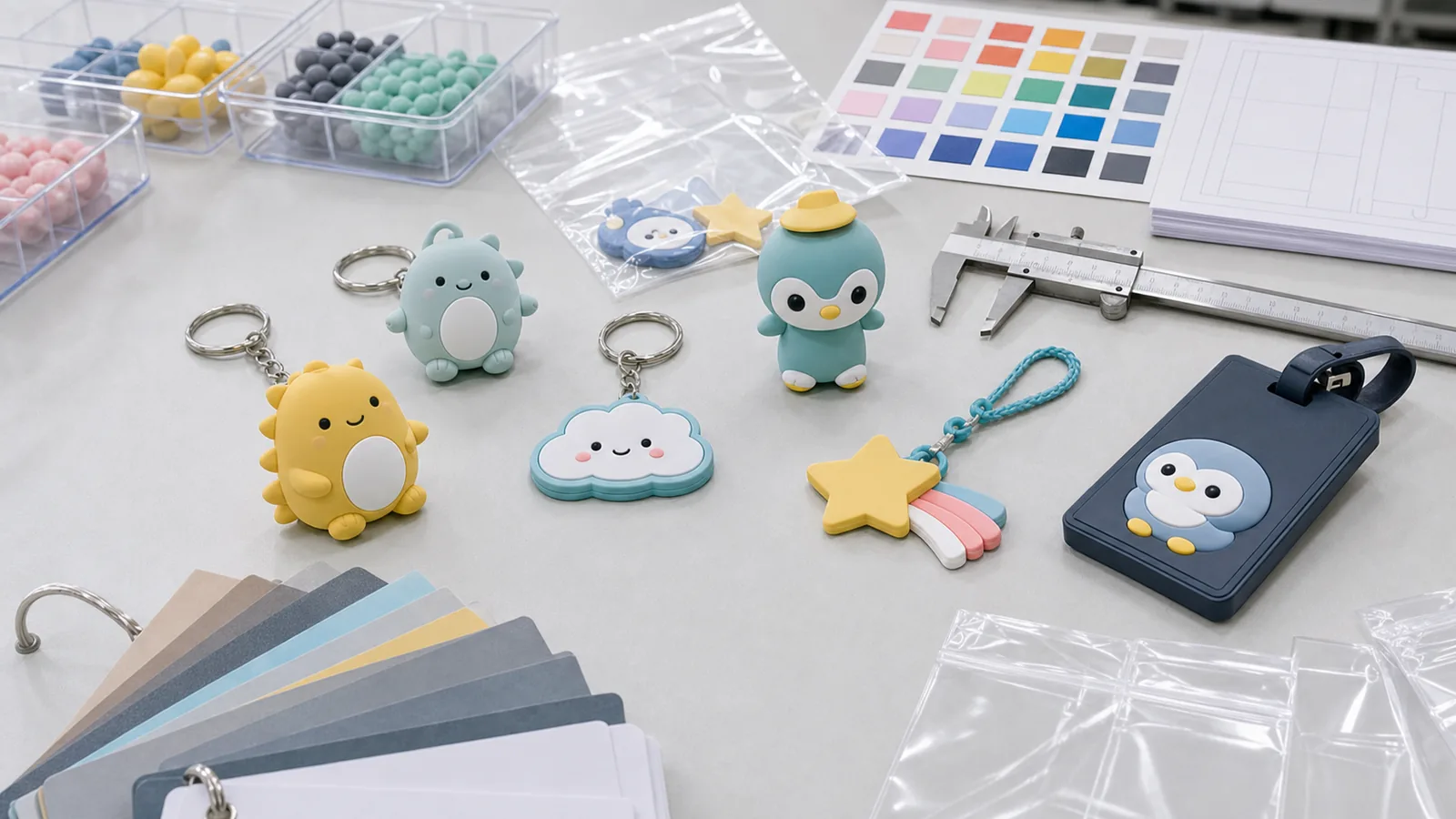
Pre-production Cost Reduction Checklist
The later a specification changes, the more likely mold revision, re-sampling, packaging changes, and added inspection will appear. Fix these items before mass production to reduce both unit cost and lead-time risk.
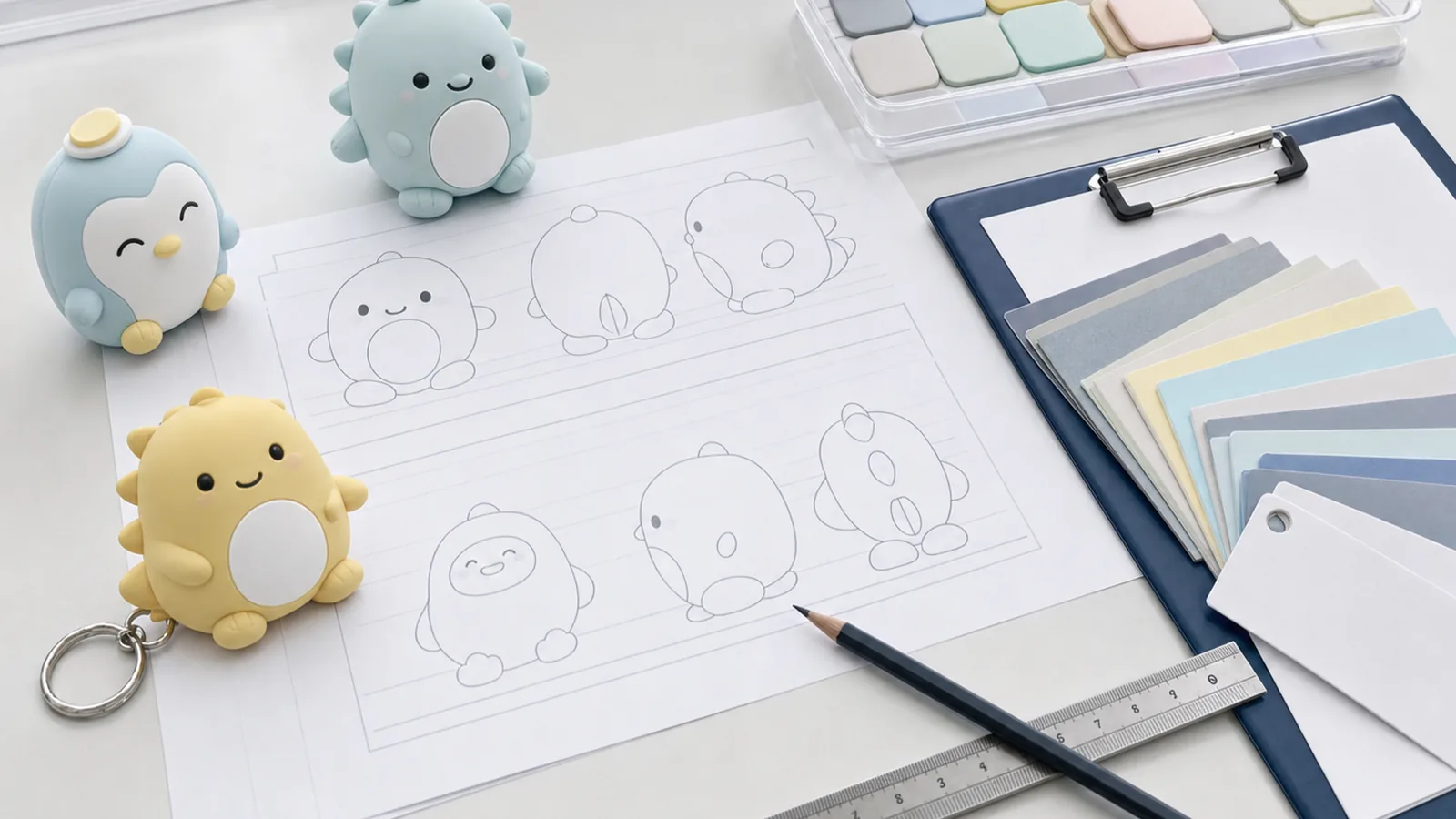
Simplify for Production, Not for a Cheap Look
Cost reduction design does not mean making the product look cheap. It means organizing outlines, separation lines, color areas, raised PVC areas, and print scope so the factory can reproduce the design reliably with fewer steps.
- Reduce very thin lines, sharp tips, and hard-to-release recesses
- Separate raised PVC areas from flat print areas
- Use a shared base shape and develop variants through color or small parts
- Check facial details or small components early if they may create sample revisions
When unit cost is the goal, keep the visible front-side value and look for adjustments in the back side, thickness, attachments, or packaging first.
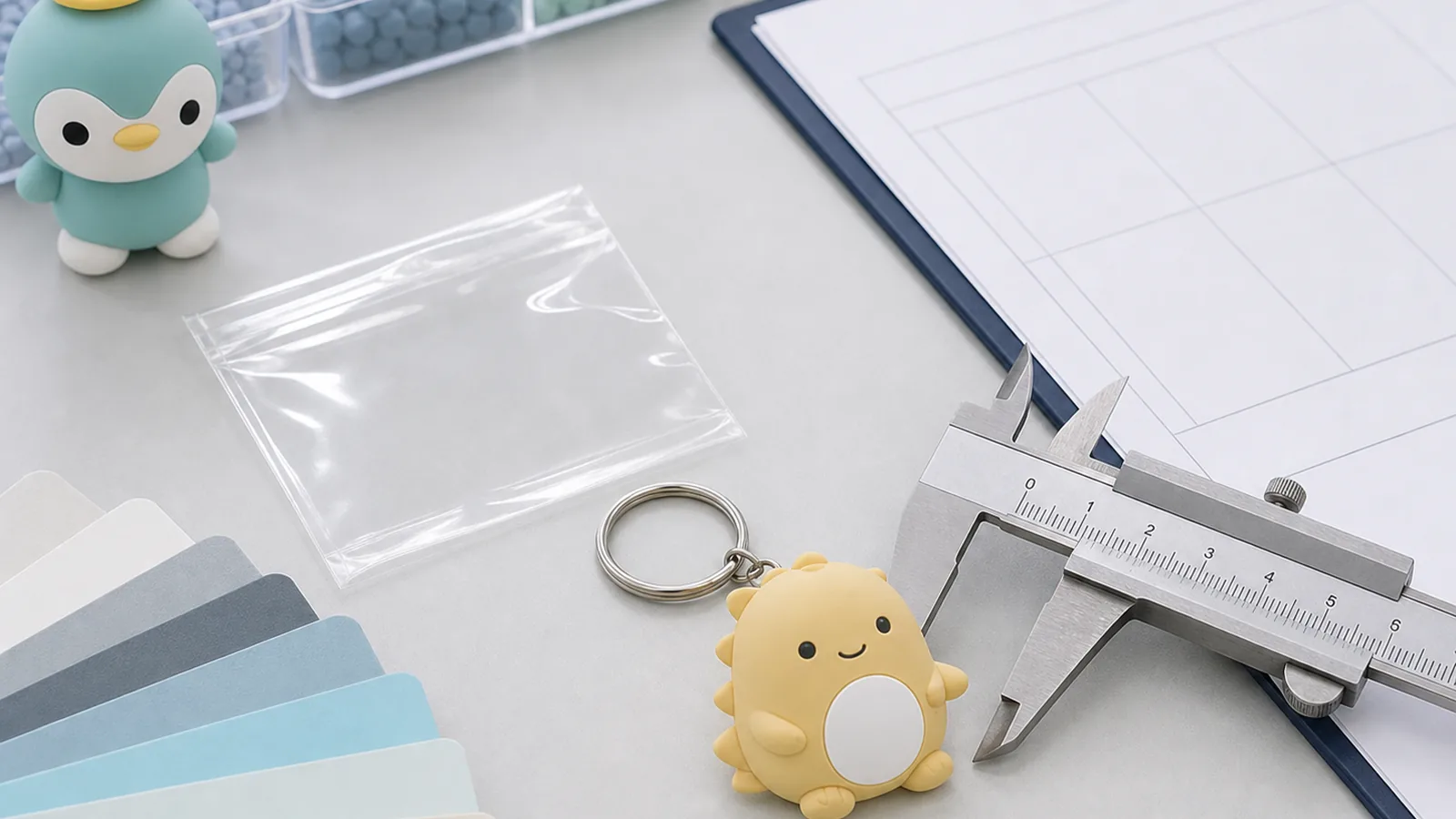
Size, Thickness, and Hardness Affect Material and Shipping Cost
Small differences matter when production quantity grows. Size and thickness affect PVC material, molding time, carton size, product weight, hanging balance, and hardware strength.
- Compare quantity-based pricing for options such as 50mm, 60mm, and 70mm
- Specify maximum thickness separately from average thickness
- Set hardness only where the function or touch actually requires it
- Estimate carton size and weight together with the product unit price
Retail goods need presence, campaign giveaways need budget control, and bag charms need weight balance. The best size depends on use case, not only appearance.
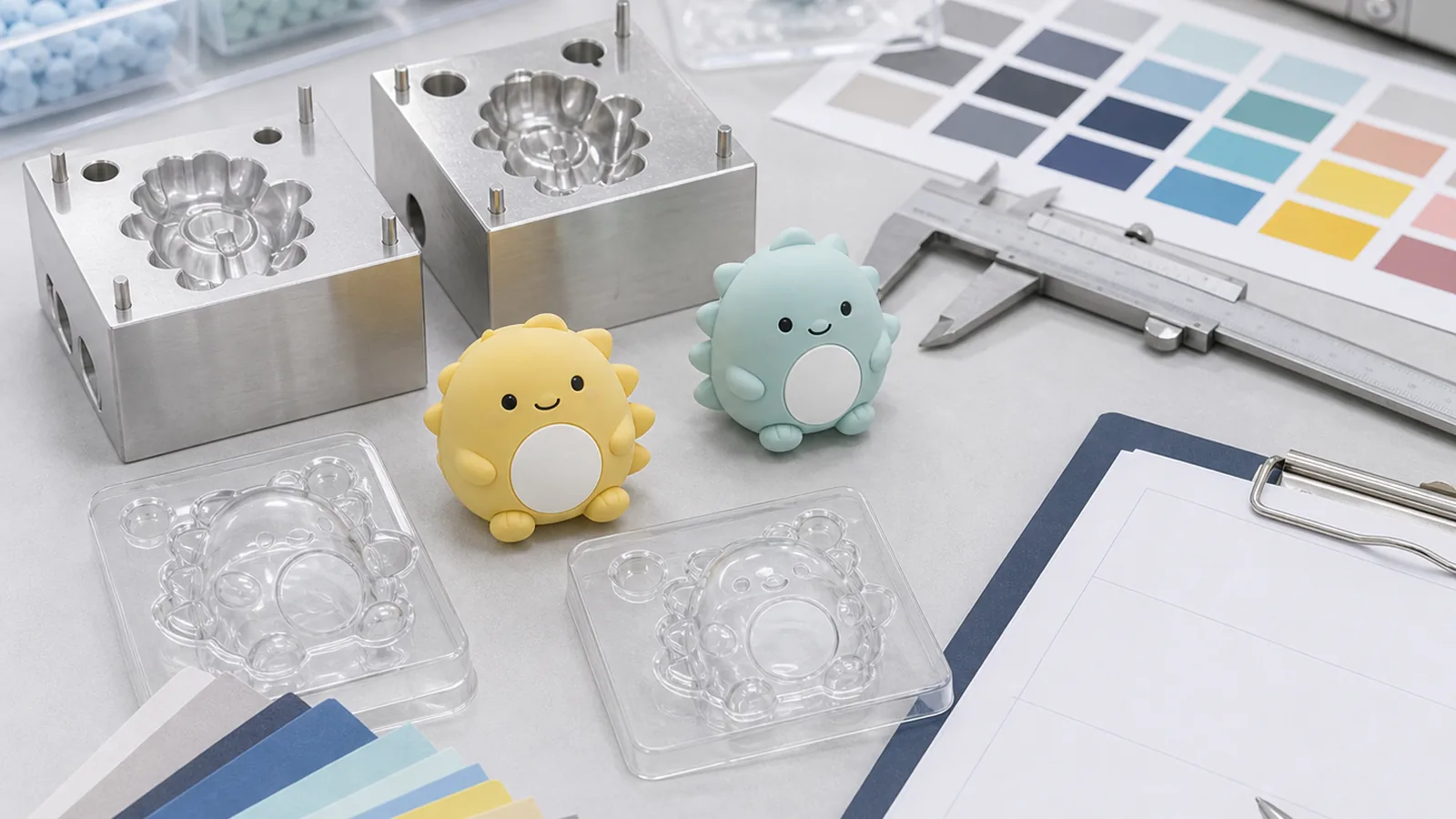
Do Not Leave Mold and Sample Approval Ambiguous
Changing shape, color, attachment position, or packaging after sample approval may create mold revision cost, extra sampling, and schedule changes. Cost control starts by freezing approval conditions before production.
- Separate mold cost, sample cost, and revision cost in the quotation
- Manage approved samples, color references, and packaging samples by SKU
- Compare the final specification sheet with the approved sample before production
- Record change history with date, owner, and quotation number
A sample does not have to be perfect on the first round. What matters is defining what can be revised and what approval standard will be used.
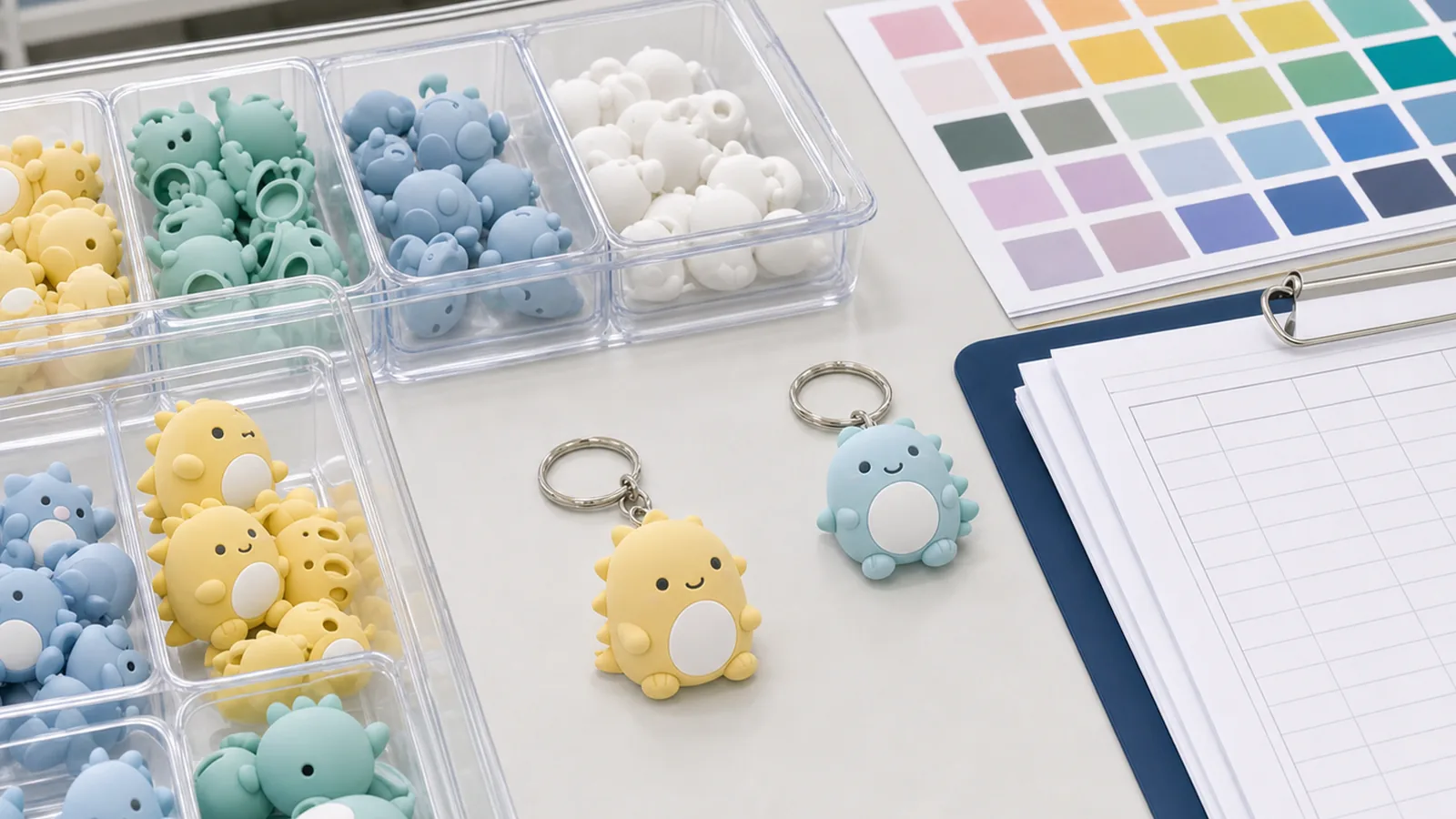
SKU Structure and Quantity Split Can Change Unit Cost
A total quantity of 3,000 pcs can mean one SKU at 3,000 pcs, or six SKUs at 500 pcs each. The second case usually adds mold change, color change, packing confirmation, and inspection work.
- Separate SKUs that can share a mold from SKUs needing a new mold
- Compare unit prices at 1,000, 3,000, and 5,000 pcs where practical
- For low-volume SKUs, consider sets, shared colors, or later production
- Freeze blind packaging and assortment ratios before mass production
More SKUs are not automatically bad. The key is seeing where each SKU adds labor, tooling, packaging, or inspection.
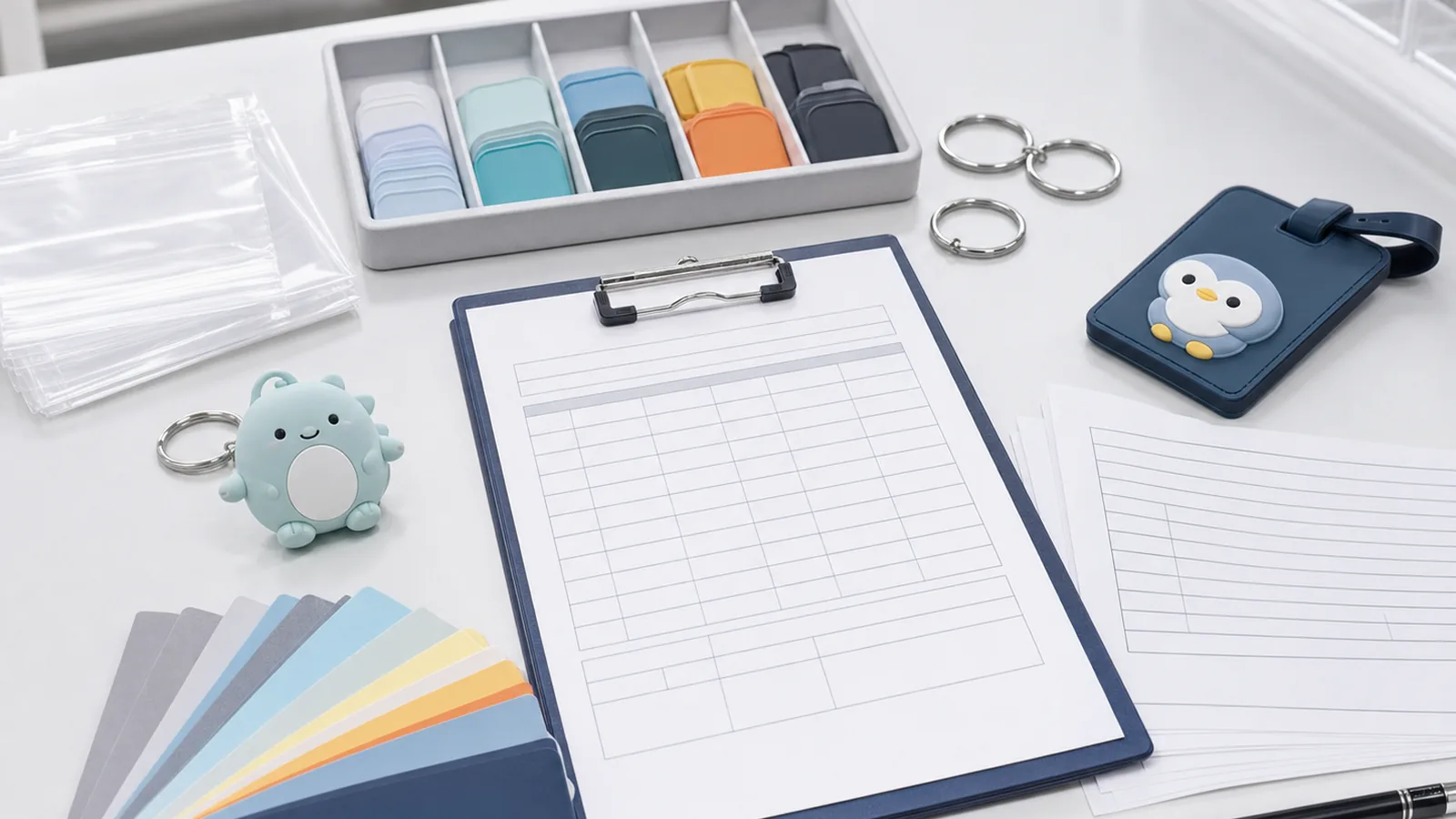
Start with Standard Hardware and Attachments
Hardware looks small, but it affects material cost, assembly labor, testing, and supplier availability. Before choosing special hardware or plating, compare standard rings, ball chains, lobster clasps, straps, and magnets.
- Separate the cost of standard hardware and special hardware
- Use common plating colors such as silver, gold, or black when possible
- Confirm attachment position and jump-ring size with the sample
- Decide whether pull testing or magnet strength checks are required
Giveaways can often use standard parts; retail items may need better finish; bag-use products need stronger hardware. Choose by use case.
Additional Cost Items to Review Before Production
The final cost is affected by packaging, inspection, logistics, and communication, not only by the PVC part itself.
Packaging format
OPP only, backing card, individual box, or set box will change material cost and packing labor.
- Card size
- JAN label
- Carton quantity
Inspection level
Full inspection, sampling inspection, and third-party inspection change both cost and defect risk.
- Appearance criteria
- AQL
- Key checkpoints
Logistics terms
DDP, FOB, warehouse delivery, and split delivery change the total landed cost.
- Delivery address
- Arrival date
- Carton size
Market compliance
Depending on sales region and target age, RoHS, REACH, EN71, or other checks may be needed.
- Use case
- Sales region
- Certificates
Production allowance
Setting spare ratio for replacements or set packing can prevent expensive small reorders.
- Spare ratio
- Repair stock
- Reorder terms
Document control
Reduce verbal changes by managing final spec sheets, approved samples, and packaging samples together.
- Change log
- Approval date
- Main contact
Why Unit Cost Does Not Drop and How to Review It
If price negotiation alone does not work, break down which specification is adding material, labor, or process risk.
| Review item | Why it raises cost | Pre-production action |
|---|---|---|
| Complex outline | Mold machining and molding stability become harder | Simplify tips, thin lines, and hard-to-release shapes |
| Excess thickness | Material, weight, and molding time increase | Adjust thickness after strength review |
| Too many colors | Color change, painting, and inspection time increase | Group shared and close colors |
| Fragmented SKUs | Mold change, color change, and packing checks increase | Plan SKU quantity and shared components |
| Special hardware | Procurement, assembly, and strength checks increase | Compare with standard hardware options |
| Late packaging | Packing labor, backing cards, and cartons are added later | Include packaging conditions in the first quotation |
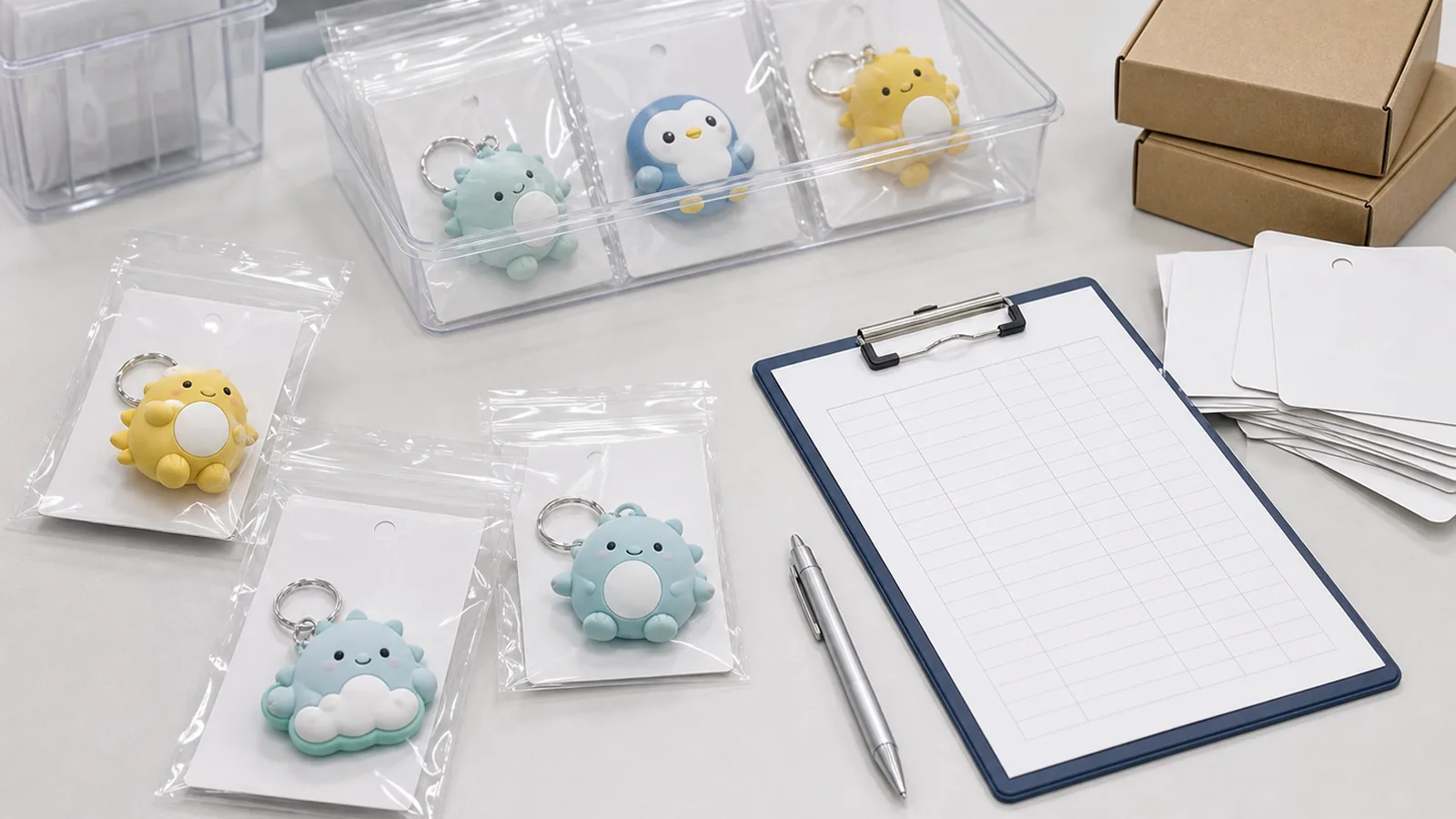
Include Packaging and Inspection in the First Quotation
Comparing only the product unit price can hide later charges for OPP bags, backing cards, JAN labels, cartons, inspection, and logistics. Compare the total condition, not only the molded part.
- Freeze OPP bag, backing card, JAN label, and carton quantity
- Confirm whether pre-shipment photos and reports are included
- Include delivery destination and trade terms in the quote
Use the Same Conditions When Comparing Factories
If Factory A excludes packaging, Factory B includes hardware, and Factory C excludes inspection, unit prices are not comparable. Align size, quantity, SKU, attachments, packaging, inspection, and delivery terms first.
- Separate quantity-based unit price from mold cost
- List packaging and inspection cost as separate items
- Compare sample revision cost and production lead time too
Final Conditions to Freeze Before Mass Production
Fixing these points before production reduces hidden cost increases and schedule delays.
- Final artwork, front/back/side specifications
- Size, thickness, hardness, and tolerance
- Color references, shared colors, physical samples, and approval samples
- SKU quantity, assortment ratio, and spare ratio
- Hardware, attachments, positions, and strength checks
- OPP bag, backing card, JAN label, carton quantity
- Inspection criteria, delivery terms, change log, and final approval date
Review Your PVC Goods Specifications for Lower Unit Cost
If you have a target unit cost, we can review design, quantity, SKU, hardware, packaging, and inspection conditions together to find practical adjustments without lowering visible quality.